
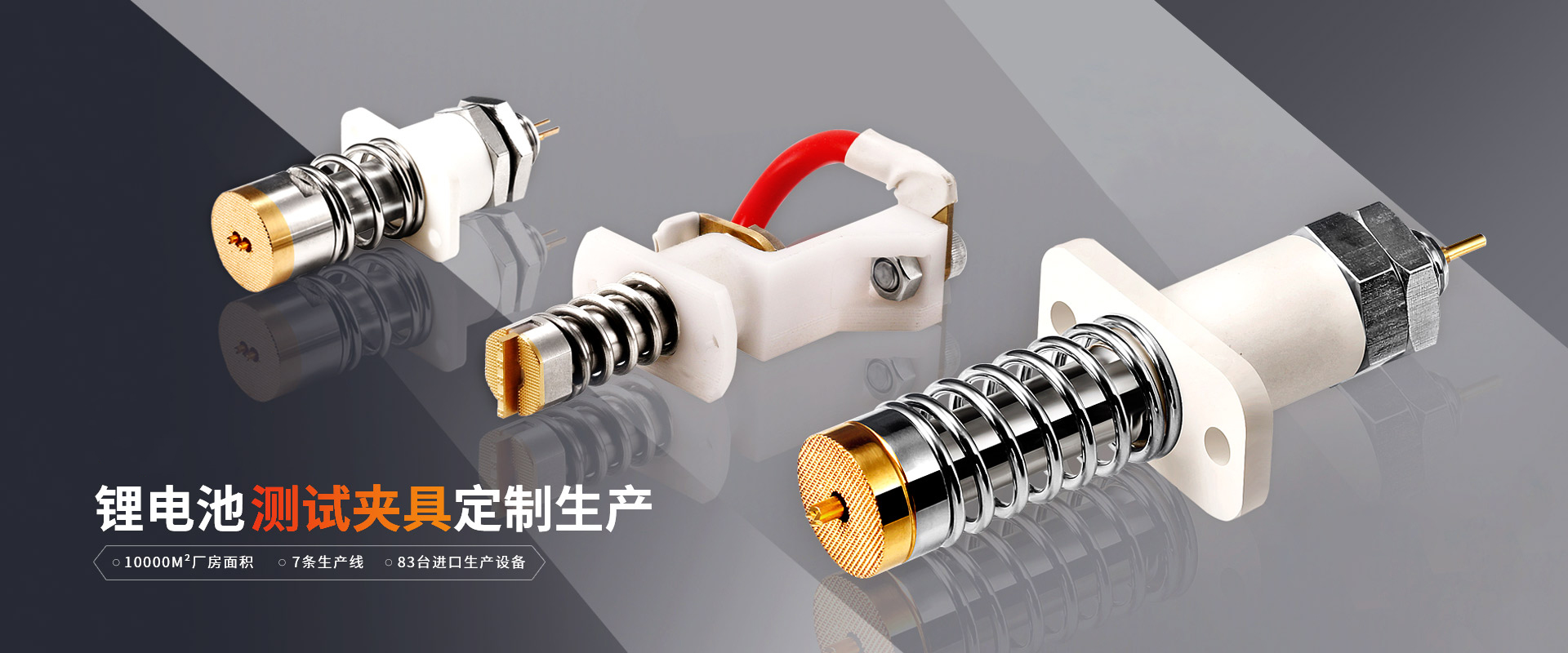


High Current Probes are frequently used in high current application scenarios, such as power equipment testing and high-power electronic devices. However, under the action of high currents, corrosion and passivation may occur on the probe surface, which not only affects the performance of the equipment but may also trigger safety hazards. Therefore, proper treatment is required for high current probes that have been corroded and passivated.
One: The Causes of Probe Corrosion Passivation
Corrosion and passivation of high current probes are primarily due to excessive current causing oxidation on the probe surface. As current passes through the probe, it generates high temperatures, which accelerate oxidation reactions on the probe surface, forming an oxide layer. This layer reduces the probe's conductivity and may render it unusable.
Section II: Solutions
For corroded and passivated high-current probe tips, the following treatment methods can be adopted:
Mechanical Cleaning: Mechanical cleaning is a simple and effective method to remove the oxide layer from the probe surface using sandpaper, scraper tools, etc. However, this method may cause damage to the probe surface, so careful operation is required when using it.
Chemical Cleaning: This process involves dissolving the oxide layer on the probe surface using acidic or alkaline solutions. While effective, it may cause greater damage to the probe surface, so careful consideration is required when using this method.
3. Electrochemical Cleaning: Electrochemical cleaning involves dissolving the oxide layer on the probe surface through electrochemical reactions. This method boasts advantages such as excellent effectiveness and ease of operation, making it a widely used treatment method. When performing electrochemical cleaning, it is necessary to select appropriate electrolyte solutions and current densities, among other parameters, to achieve better processing results.
4. Coating Protection Layer: Coating protection is a common anti-corrosion method that prevents the probe surface from being oxidized again. Common coating materials include organic coatings and inorganic coatings. When applying the coating protection layer, it is essential to ensure good compatibility and adhesion between the coating and the probe material to avoid detachment and other issues.
III. Cautionary Notes
When dealing with corroded and passivated high-current probes, the following precautions should be taken:
Prior to any processing, the power must be disconnected to ensure safety of operation.
During mechanical, chemical, and electrochemical cleaning processes, it is crucial to avoid excessive damage to the probe surface.
When performing electrochemical cleaning, it is crucial to control parameters such as the electrolyte solution and current density to prevent excessive damage to the probe.
When applying the protective coating, it is essential to ensure good compatibility and adhesion between the coating and the probe material.
5. After processing, the probe must be tested to ensure its conductivity and safety meet usage requirements.
In summary, for large current probes that have been corroded and passivated, it is necessary to select an appropriate treatment method based on the actual situation. At the same time, attention should be paid to operational safety and details during the process to ensure that the treatment results and equipment performance reach a better state.
