
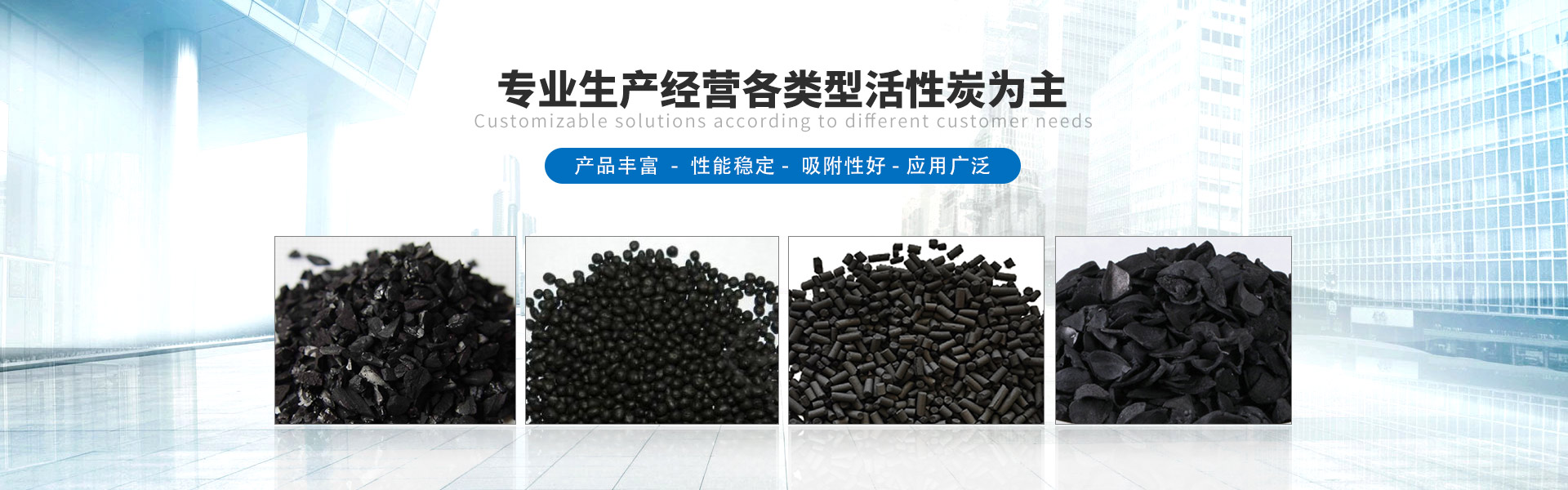
To maximize the adsorption efficiency of shell activated carbon, several key factors must be considered and optimized. Firstly, selecting the appropriate shell activated carbon material is crucial. The performance of activated carbon is influenced by the raw material, and shells, as a commonly used ingredient, offer high adsorption capacity and surface area. Ensuring the concentration and quality of shell activated carbon can enhance the adsorption effect.
Next, adjusting the pore size of the shell activated carbon is also crucial. The pore size directly affects the adsorption capacity and selectivity of the activated carbon. Generally, smaller pores can better adsorb small molecular substances, while larger pores are suitable for adsorbing large molecular substances. According to actual needs, adjusting the pore size distribution of the activated carbon can achieve a higher adsorption effect.
In addition, controlling the humidity of husk activated carbon is also crucial. Humidity affects the adsorption activity and hydrophilicity on the surface of activated carbon. In some cases, reducing the humidity of activated carbon can increase its surface area and pore volume, thereby enhancing the adsorption efficiency. Therefore, before using husk activated carbon, ensure it is dried and stored in an appropriate environment.
Additionally, adjusting the pH level of activated carbon can optimize its adsorption efficiency. The surface charge of activated carbon is affected by pH levels. Different substances exhibit different charge states under various pH conditions, so by regulating the pH of activated carbon, its adsorption interaction with target substances can be enhanced.
The usage conditions and flow rate of activated carbon are also crucial for enhancing adsorption efficiency. Selecting appropriate usage conditions, including parameters such as temperature, pressure, and flow rate, based on specific application scenarios and the characteristics of the target substances, is essential. In some cases, increasing the flow rate can boost adsorption speed, while decreasing it can help to extend contact time and increase the amount of adsorption.
In summary, to maximize the adsorption effect of shell activated carbon, it is necessary to consider the aforementioned factors and optimize adjustments according to specific circumstances. By selecting appropriate activated carbon materials, adjusting pore size, humidity, and pH levels, and optimizing usage conditions and flow rates, we can significantly enhance the adsorption performance of shell activated carbon, achieving the goal of effectively removing targeted substances.