
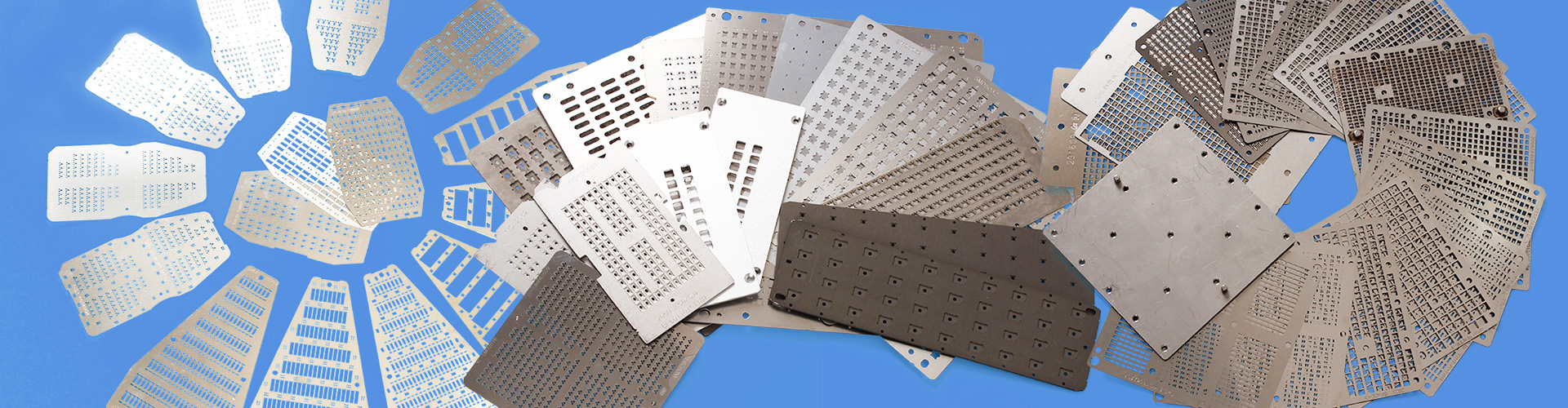
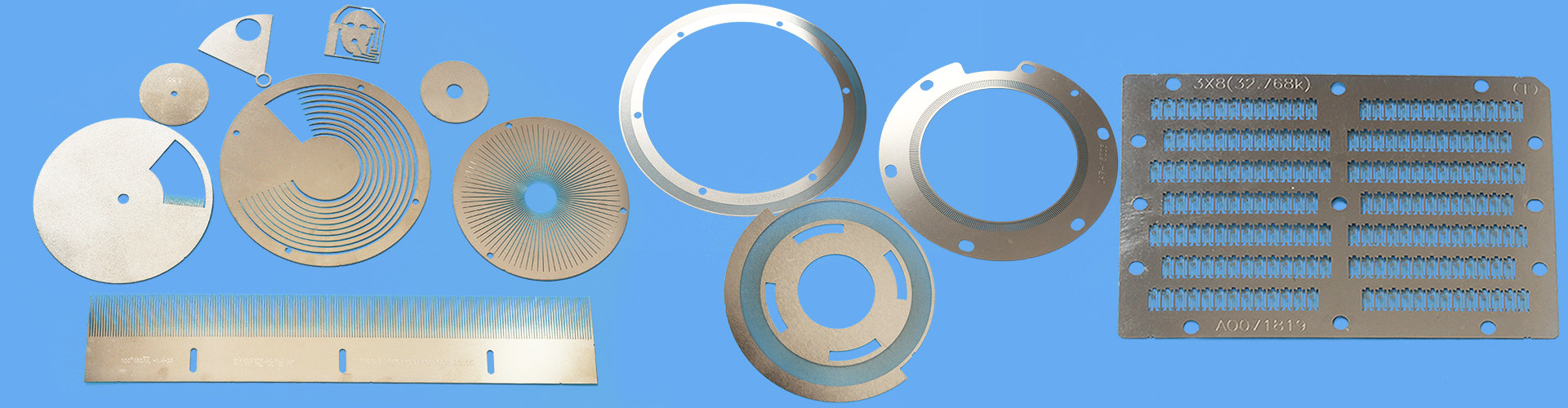
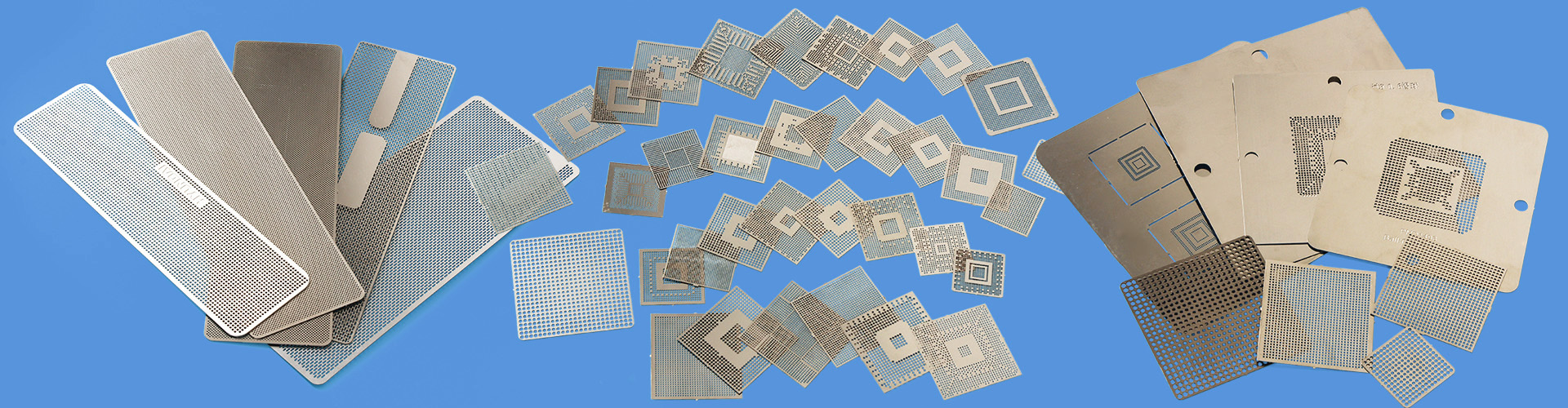

Etching refers to the technique of removing material by physical or chemical means. Typically, when we refer to etching, we are talking about chemical etching: the process of dissolving and corroding materials through chemical means.
The etching process is divided into six steps: inspection, cleaning, spraying, developing, sealing, etching, and quality inspection.
Inspection
Firstly, conduct quality inspections on processed parts, identify defective items, and enhance the yield rate.
2. Clean, spray paint
After electrostatic dust removal of the workpiece material, all clean workpieces are coated with photoresist oil to prepare for the photo-sensitization process.
3. Photographic development
The process involves applying the film resist to the workpiece for exposure, followed by using developer to retain the exposed areas, and then etching away the unexposed parts to form the etched pattern.
4. Sealant
Sealing oil involves manually topping up oil in blind spots or areas that cannot be reached during machine oiling, ensuring that the entire workpiece is covered. Subsequently, the piece is dried.
Etching
Cleaning and etching are critical steps in the entire production process, where exposed areas after exposure and development are corroded using chemical solutions to form the desired design patterns. Subsequently, excess paint and other chemicals are washed away.
6. Quality Inspection
Completed workpieces must pass stringent quality inspections before they are deemed ready for shipment and bad items are removed.
