

What to Pay Attention to When Operating a Microwave Attenuator_News Center Co., Ltd._Dongguan Yezhiqiu Minxin Technology Co., Ltd.
Dongguan Yezhiqiu Minxin Technology Co., Ltd.

Manufacturer specializing in the research, development, and production of the...

Consultation Hotline
18922875680

News Category

Contact Information
  • Contact person:陈经理
  • Telephone:18922875680
Home > News Center Co., Ltd. > What to Pay Attention to When Operating a Microwave Attenuator
News Center Co., Ltd.
What to Pay Attention to When Operating a Microwave Attenuator
Publish Time:2025-05-19        View Count:21        Return to List

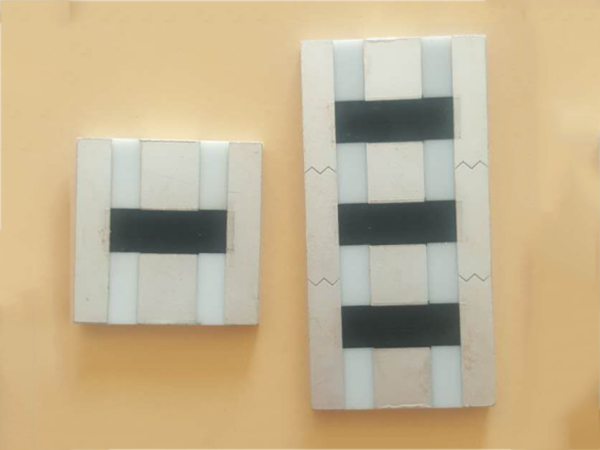
Microwave Attenuators are critical components in microwave systems used to reduce signal power. When operating, the following key points should be noted to ensure equipment performance and personnel safety:

Basic Parameters Match

The attenuation module's operating frequency range must match the frequency band of the signal to be processed. For instance, if the signal frequency is 10 GHz, an attenuator with an operating frequency of ≥10 GHz should be selected to prevent signal distortion or damage to the device.

2. Power Capacity Limitations: The power capacity of an attenuator must exceed the input signal power. For instance, if the signal power is 10 W, an attenuator with a power capacity of ≥10 W should be selected; otherwise, it may lead to overheating or breakdown of the device.

3. Impedance Matching: The input/output impedance of the attenuator must match the system impedance (such as 50 Ω or 75 Ω). Impedance mismatch can cause signal reflection, affecting system performance.

II. Environment and Safety

Temperature Control: Avoid prolonged use in high or low-temperature environments to prevent the attenuator's performance drift. For instance, enhance cooling in high-temperature conditions and preheat before use in low-temperature environments.

2. Electrostatic Protection: It is necessary to wear anti-static wristbands before operation to prevent static electricity from piercing sensitive components. Static voltages exceeding 100 V may damage microwave devices.

3. Physical Protection: Prevent falls, collisions, or excessive bending of connection cables to safeguard against internal structure damage.

Section 3: Operating Standards

Signal Level Control: The input signal power must be within the attenuator's dynamic range. For instance, if the attenuator's dynamic range is from -20 dBm to +20 dBm, the input signal should be within this range to avoid overload or insufficient sensitivity.

2. Connectivity Reliability: Secure connectors using a torque wrench to the specified torque (e.g., 7 N·m) to prevent poor contact or signal leakage.

3. Usage Precautions: Check the temperature after continuous use for over 1 hour. If the temperature exceeds 60°C, discontinue use to prevent thermal failure.

Four: Maintenance and Calibration

Calibration is required every 6 months or after 1000 hours of use. Adjustments or replacements are necessary when the error exceeds ±0.5 dB.

2. Cleaning and Storage - Use a lint-free cloth to clean the connector surface, avoiding dust or metal shavings that may cause short circuits. Store in a dry environment (humidity ≤ 60%), to prevent oxidation.

Section V: Special Application Precautions

For pulse signals, it is necessary to select an attenuator with a pulse power capacity of at least 10 times the average power to prevent peak power breakdown.

2. For high-power applications, where power exceeds 100W, water or air cooling is required, along with the use of high-power dedicated attenuators.

3. Attenuators made of low-loss materials (such as ceramic substrates) are required for frequencies exceeding 30 GHz in the millimeter wave band to reduce insertion loss.

Six: Fault Troubleshooting

If nonlinear distortion occurs, check if the input power exceeds the 1 dB compression point (P1dB).

2. Abnormal Temperature: Check the cooling design or reduce input power when the temperature is too high.

3. Impedance Mismatch - If VSWR > 1.5, check if the connector or attenuator is damaged.

By strictly adhering to the aforementioned precautions, the stable operation of the microwave attenuator can be ensured, extending its service life and safeguarding system performance.

 Click submit means you agree to《Service terms》《Privacy policy》

18922875680