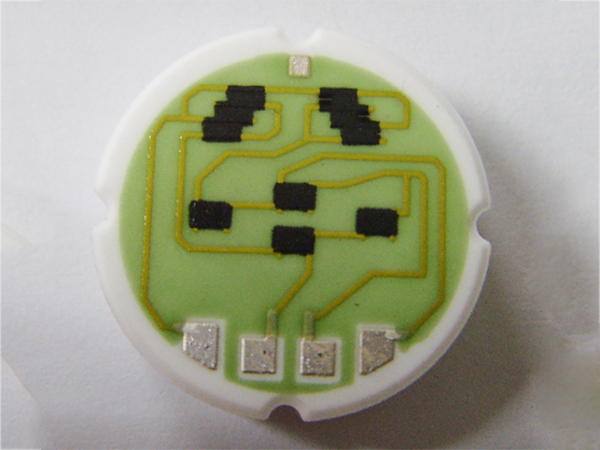


Pressure sensors are one of the most widely used types of sensors. Traditional pressure sensors primarily consist of mechanical structural devices, indicating pressure through the deformation of elastic elements. However, this structure is large in size, heavy in weight, and cannot provide electrical output. With the advancement of semiconductor technology, semiconductor pressure sensors have emerged. They are characterized by their small size, light weight, high accuracy, and good temperature characteristics. Particularly, as MEMS technology develops, semiconductor sensors are moving towards miniaturization, and they also offer low power consumption and high reliability.

Load sensors are devices or systems capable of sensing pressure signals and converting them into usable electrical signals according to certain patterns.
Pressure sensors typically consist of pressure-sensitive elements and a signal processing unit. Depending on the type of test pressure, pressure sensors can be categorized into gauge pressure sensors, differential pressure sensors, and absolute pressure sensors.
Pressure sensors are one of the most commonly used sensors in industrial practice, widely employed in various industrial automatic control environments. They are involved in numerous industries including hydropower and water conservancy, railway transportation, intelligent buildings, production automation, aerospace, petrochemicals, oil wells, electricity, ships, machine tools, pipelines, and more.
The heavy-duty pressure sensor is a type of sensor, but we rarely hear about this pressure sensor. It is typically used in transportation applications, maintaining the performance of heavy-duty equipment by monitoring the pressure, fluidity, flow, and level of critical systems such as pneumatic, light-duty hydraulic, braking pressure, oil pressure, transmission units, and truck/trailer air brakes.
A heavy-duty pressure sensor is a pressure measuring device with a housing, metallic pressure interface, and a high-level signal output. Many sensors come with a cylindrical housing made of metal or plastic, featuring a pressure interface on one end and a cable or connector on the other. These heavy-duty pressure sensors are commonly used in environments with extreme temperatures and electromagnetic interference. Industrial and transportation clients utilize pressure sensors in control systems to measure and monitor the pressure of fluids such as coolant or lubricant. Additionally, it can promptly detect pressure spikes and identify issues like system blockages, allowing for immediate solutions.
Heavy-duty pressure sensors have been advancing, with design engineers needing to enhance sensor accuracy while also reducing costs to meet practical application requirements for more complex control systems.