



The casting coating is an improved and adjusted version of the traditional casting coating, capable of preventing oxidation of high-temperature molten metal and not undergoing a chemical reaction when in contact with the mold during the casting process. It can also absorb and digest gases such as nitrogen, sulfur, and carbon.
Thus, it resolves issues such as sand adherence on castings, sand holes, surface roughness, porosity, inclusions (slag), deterioration of ball mill iron, cast steel sulfur cracks, and carburization defects.
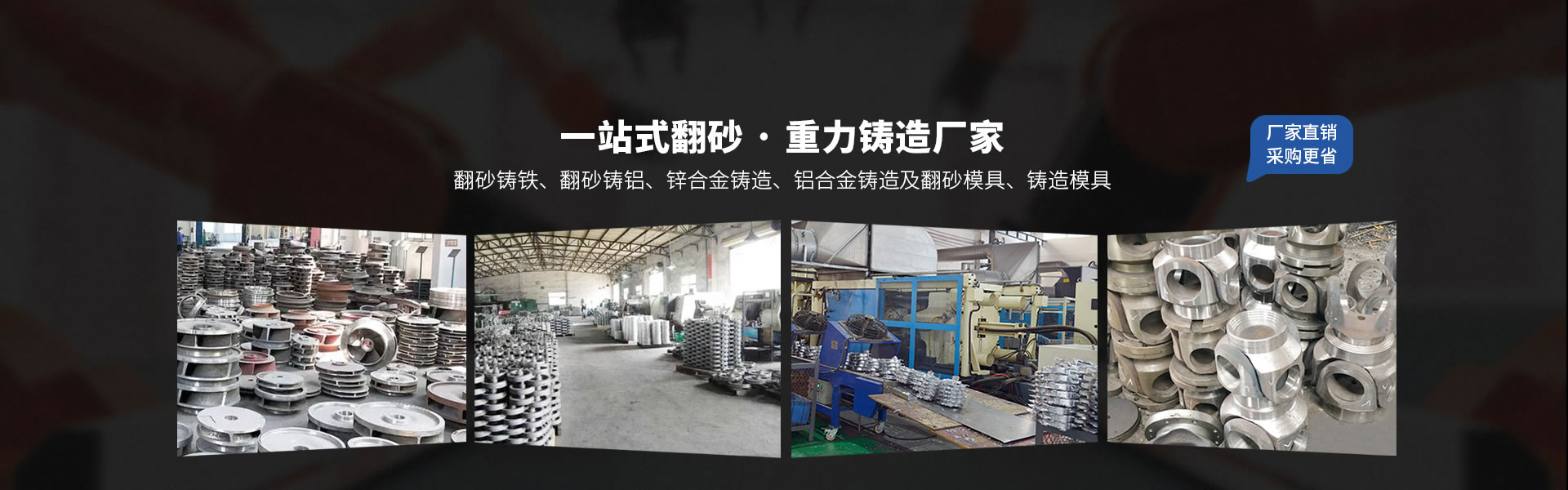
Our main products include gray cast iron products, ductile iron castings, heat-resistant castings, and alloy castings, etc.
Principles of Analysis for Casting Defects such as Sand Adherence, Gas Porosity, and Sand Porosity
The casting sticks to the sand due to the coating's inability to act as a barrier or insulator, or because it reacts chemically with the high-temperature molten metal.
Poor paint adhesion: During sand vibration, paint peels off, causing casting to stick to sand.
2. High coating expansion coefficient: When the coating comes into contact with high-temperature metal liquid, the coating expands in volume and detaches from the mold, causing sand adhesion on the casting.
High-temperature liquid metal undergoes oxidation, reacts chemically with the coating and mold, forming metal oxides that have adhesion to both the coating and sand. This allows the sand to be firmly attached to the casting surface, creating a series of low-melting point compounds [many low-melting point materials are present in the thick walls and corners of the casting, post the bonding layer), leading to casting sand adhesion.
Cast Sand Eyes
Sand falls into the mold.
2. The coating has low strength and poor fire resistance, unable to withstand the erosion of high-temperature metal liquids, and mold sand is present in the castings.
Porosity in Casting: There are many reasons, one common cause being the presence of substances with high gas content in the mold, which produce gas. Poor permeability of paint or sand allows the gas to be retained and not expelled in time.
