


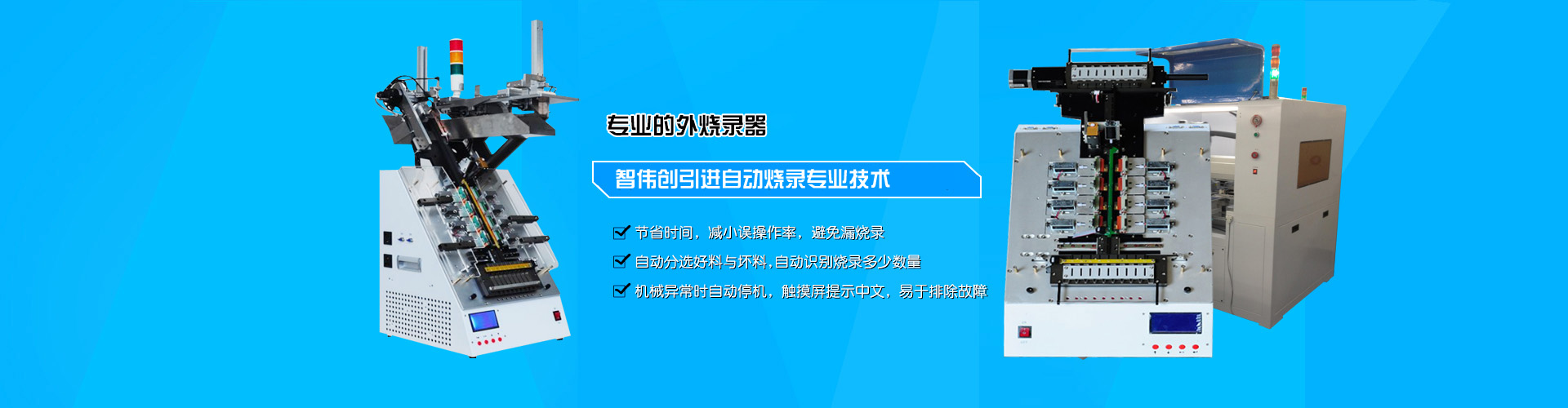

In actual SMT (Surface Mount Technology) processing, recording methods typically fall into two categories: offline recording and online recording.
Offline Burning:
Offline burning involves connecting to various packaging chips through an adapter, which allows for program burning. The adapter used is essentially similar to a precision clamp, with different packaging chips requiring matching adapter sockets. If SMT encounters processing defects during the production and testing of surface mount technology, the chip must be removed from the adapter and re-burned according to the specified process, which also increases the risk of chip scrap. Therefore, this method is more costly and less commonly used in actual surface mount processing.
Online Programming:
The standard communication bus for chips, such as USB, SWD, JTAG, UART, etc., is used for online burning. The interfaces are typically fixed, requiring only a few pins to be connected during the burning process. Due to the lower communication rate of the interfaces, general wires can be used for burning without causing high consumption.
Here is an introduction to the two common methods of SMT chip burning. We hope this information is helpful to you. If you need chip burning services, burn-in sockets, or burn-in tools, please feel free to contact us for inquiries.
