
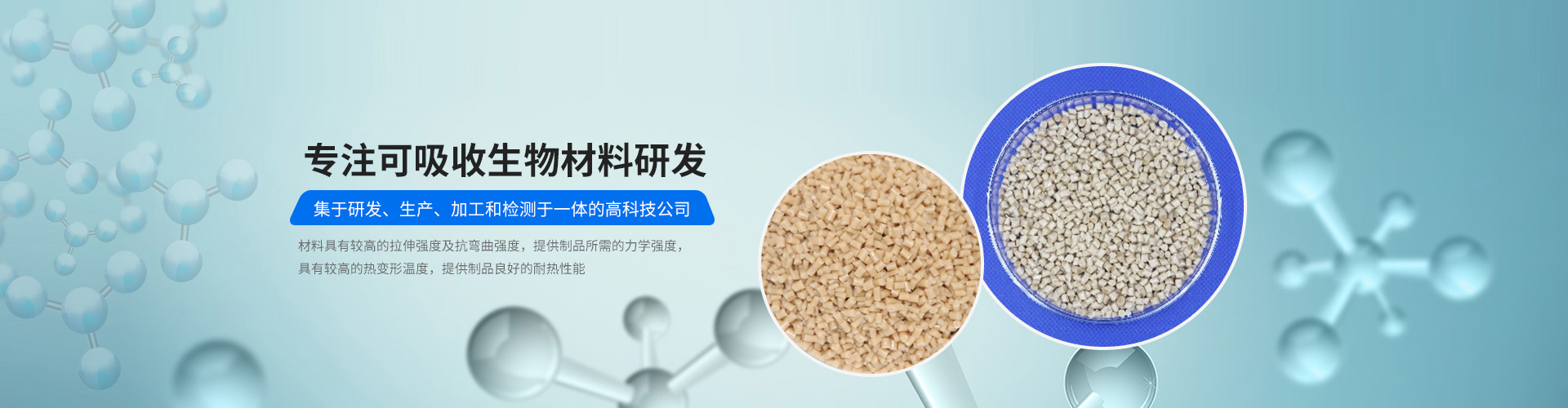
PGA resin is a linear aliphatic polyester material synthesized from petroleum, a biodegradable plastic with unique characteristics.
PGA resins possess properties that make oxygen difficult to permeate (high gas barrier). For plastic containers used for carbonated beverages, beer, chemicals, liquid seasonings, and more, plastic with excellent gas barrier performance is of significant importance.
The presence of PGA resins has long been known, yet they have been difficult to produce on a large scale through industrialized production processes, and have seen minimal practical application.
However, in recent years, Japanese chemical manufacturers have successfully established large-scale production methods, which are expected to enter the distribution phase in the market sales level. As an opportunity, it can be anticipated that the application of this material on containers will also be explored.
PGA resins are thermoplastic crystalline plastics. As such, they can be processed through injection molding or blow molding. This resin material, a simple polyester with a straightforward structure, is composed solely of oxygen (O), carbon (C), and hydrogen (H), with a melting point of 218°C.
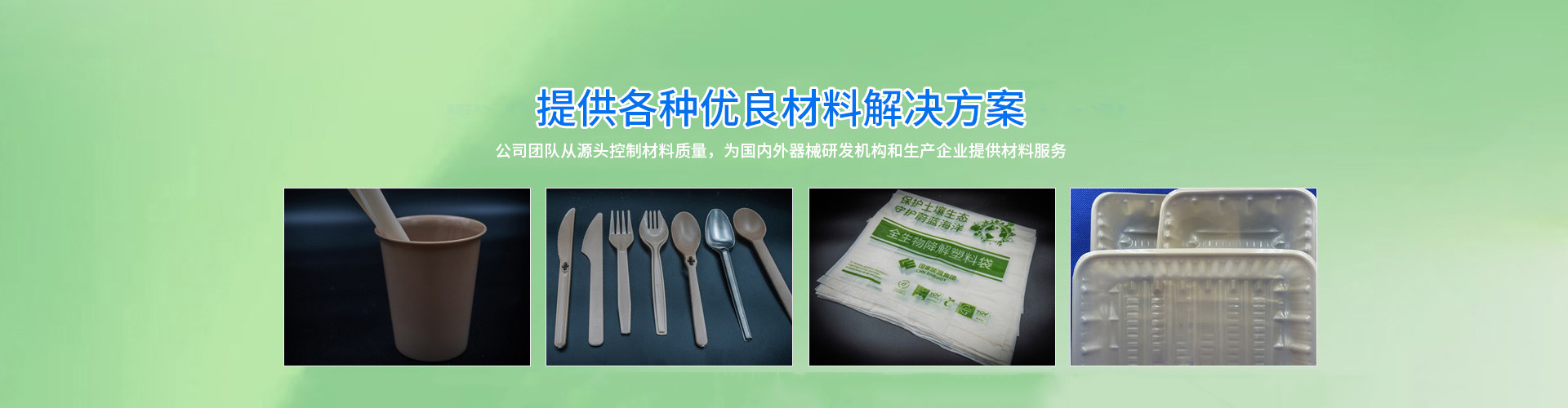
Prior to this material, there were no biodegradable plastics with good gas barrier properties developed. Therefore, through the composite molding with PGA resins, value-added development has become a new possibility. Naturally, the development of injection molding technology, blow molding technology, mold design technology, and others is also required.