

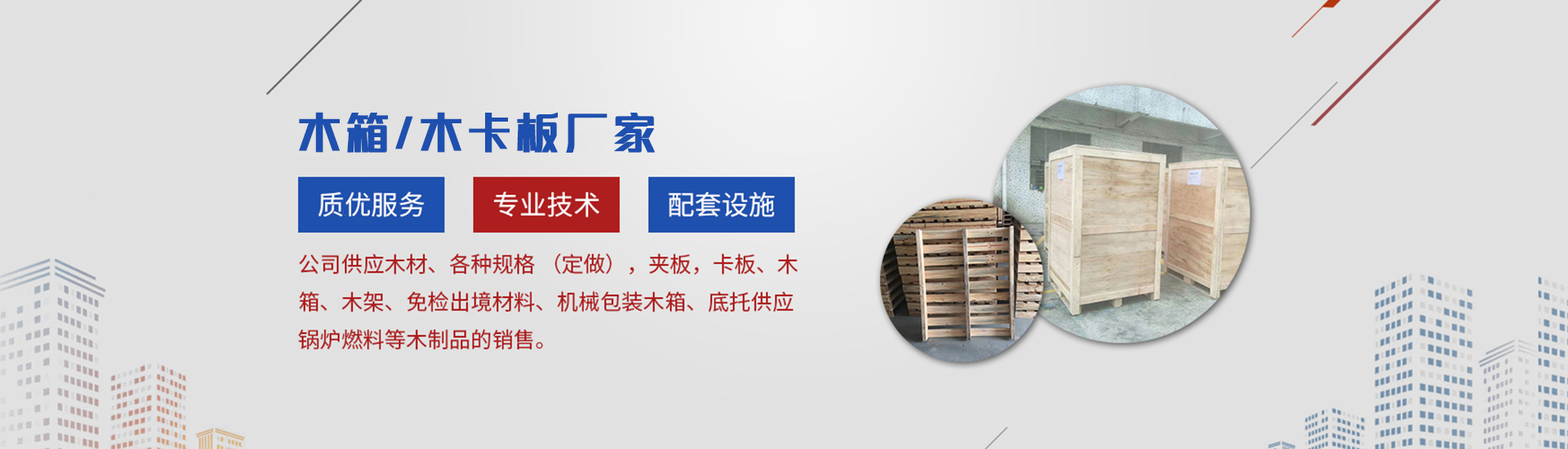


When it comes to wooden crates, we all know they are frequently used in logistics for protecting goods during transportation, ensuring they safely reach their destinations. If your wooden crates are of poor quality, they not only damage the goods but also result in significant economic losses. Therefore, to ensure a safer and smoother logistics process, we must have a discerning eye when selecting wooden crates.
We can select the appropriate wooden box packaging products based on the characteristics of the goods being packaged, such as for fragile items like glass, porcelain, and handicrafts, which should be enclosed in boxes with good shock and vibration resistance. Additionally, foam and paper should be used to secure the products inside.
For large equipment packaging, it is recommended to use solid wood boxes with sufficient strength connectors to prevent deformation and disassembly during transportation. In the case of hazardous materials packaging, products that comply with national safety regulations must be selected. First, the hazardous materials should be packaged in containers made of the appropriate material, and then sealed with wooden boxes to ensure strict sealing and safety, preventing any leakage of hazardous materials that could cause harm.
Additionally, an issue that is inevitable during transportation is the unpredictable weather. This necessitates our attention to waterproofing and moisture prevention, as some delicate products may cease to function entirely when exposed to water. Therefore, when packaging products, we can use film wrapping, and for items prone to issues when wet, vacuum packaging can also be employed.
One more thing to note is that many goods shipped in wooden crates require exportation, and each country has different requirements for incoming wooden crate packaging. Therefore, it is essential to ensure that the inspection and quarantine process for wooden crate packaging complies with the regulations and requirements of the relevant countries.
