
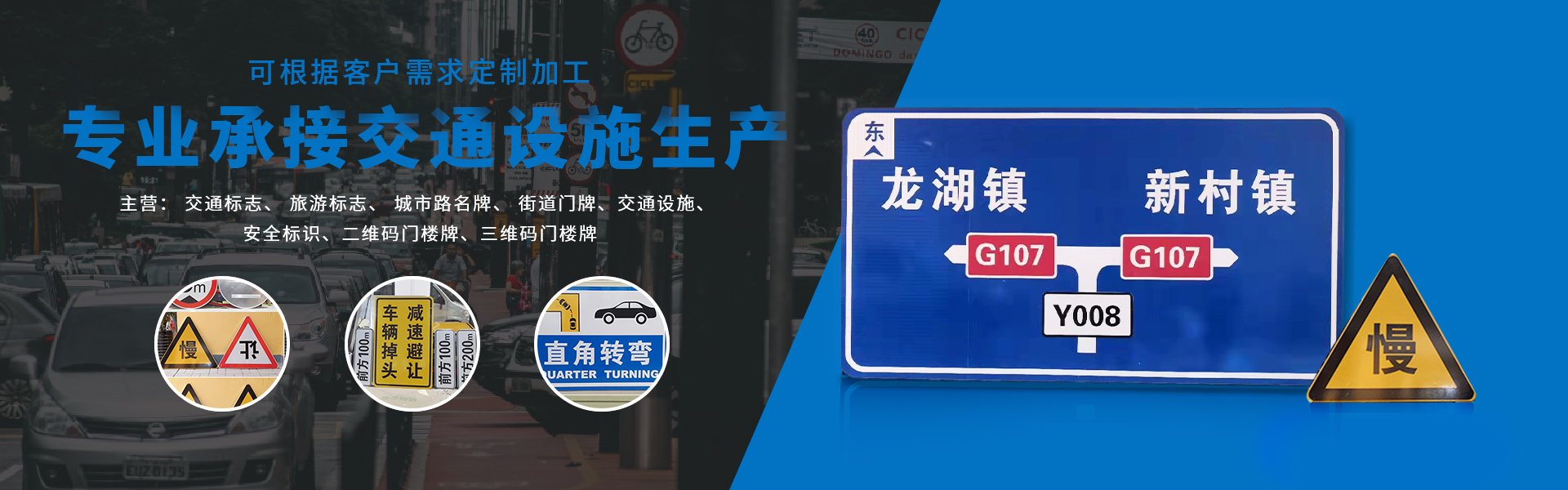


Signage is ubiquitous in everyday life, and well-designed signage can enhance the overall image of a place. So, what aspects should be considered when creating good signage?
Aluminum alloy profile requirements
Aluminum alloy profiles and accessories made of commonly used plastic materials should meet the quality requirements of aluminum alloy signboard profiles.
2. Aluminum alloy profile angles have a corner bottom deviation less than ±1 degree.
3. Flat gap ≤ 0.4% of B (where B is the profile width).
Acrylic Signage Processing Requirements
Acrylic extrusion molding hot bending achieves consistent dimensions and shapes, with a surface free of bubbles and scratches.
2. After hot bending, the surface has been treated with coarse sanding, fine sanding, and polishing, resulting in a smooth surface without any steps.
3. The surface is finished with a soft, even sheen, free of granular matter, bubbles, and offers uniform light transmission.
Section 3: Stainless Steel Process Requirements
1. Stainless steel plates require notching, bending, and welding (stainless steel plates must be notched first before bending for edge rigidity); the bending radius at the bend should be less than 1MM.
2. Clean the surface of the material before welding to minimize defects such as cold joints, blowholes, and cracks in the weld seams.
After welding, all visible seams are sanded smooth, matching the surrounding surface for evenness, with no noticeable scratches.
Four: Paint Coating Technique
A series of surface treatments, including cleaning surface residues, filling in gaps, and sanding.
2. Utilizes environmentally friendly paint baking finishing. The baking room must be dust-free, with a surface coating that undergoes three coats and three bake treatments, with a coating thickness of 35 micrometers or greater.
Paint colors must comply with the design specifications.
The surface paint film should be smooth and even; streaks, creases, orange peel, bubbles, and impurities are not allowed as they may affect the decorative effect.
Section 5: Screen Printing Process Requirements
1. Prepare film positive plates by cleaning the surface with alcohol or white spirit to ensure a clean printing surface.
2. Screen printing colors must match the design specifications, with clear fonts and patterns without distortion or jagged edges.
3. The screen printed graphics have no visible penetration of the text color into the base color.
Section 6: Installation Requirements
1. Upon completion of the installation, the signage boasts an exquisite appearance, free of screws, scratches, bubbles, and any noticeable color inconsistencies. The baked paint should exhibit minimal color variation, and the materials used should meet the design specifications.
2. The signage installation should facilitate easy panel replacement and maintenance.
