


Are permeable pavers being used for ground drainage in multiple cities? Do you know how to lay them?
How to lay permeable bricks
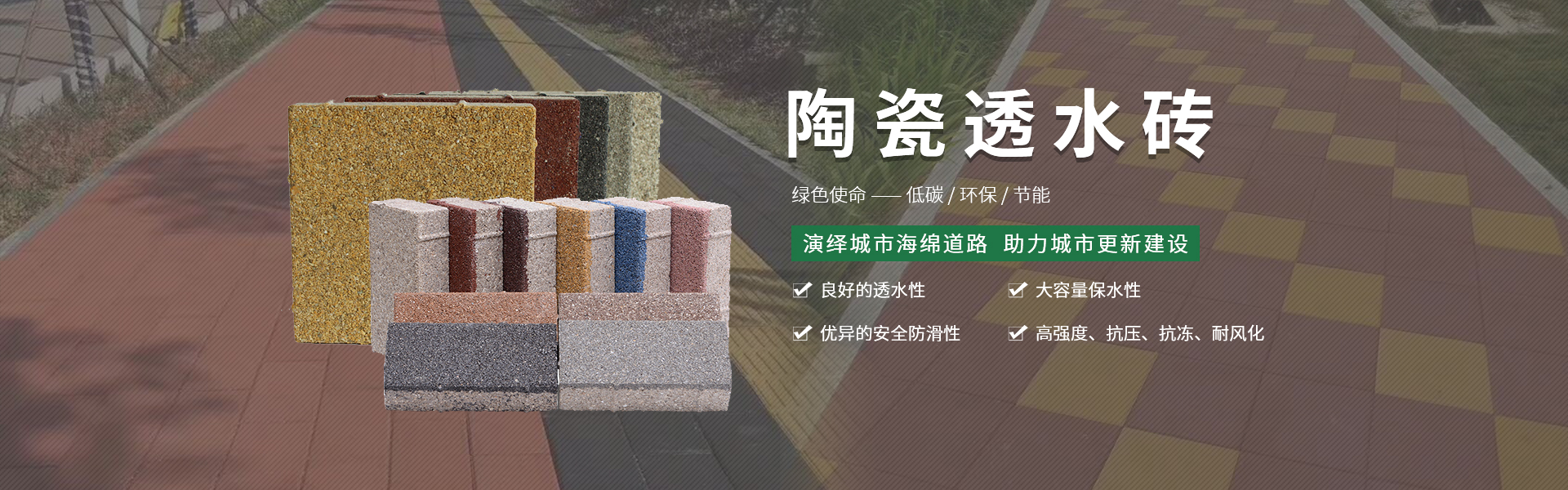
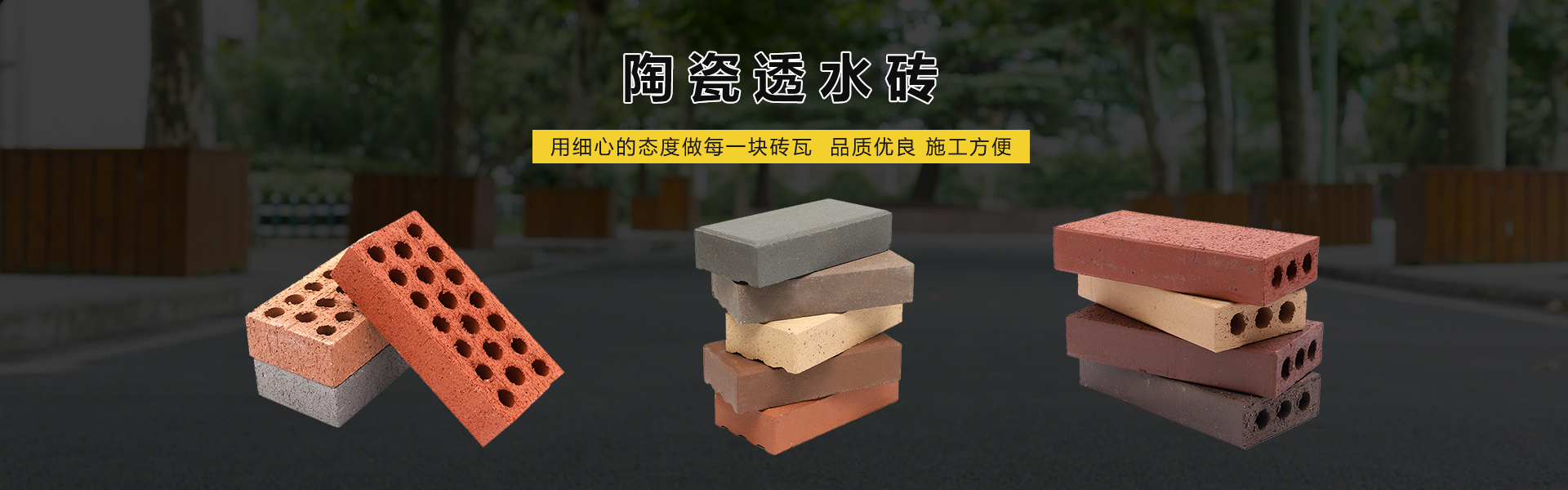
Porous bricks are made by mixing colorful cement and sand, then molded and fully cured by machinery, boasting high strength, wear resistance, vibrant colors, and a variety of styles. The surface of porous bricks can be designed with various shapes, including raised and round raised patterns. The laying method for porous brick paths is similar to that for granite paths. Since porous bricks are machine-made, they come in a wider range of colors and styles than granite. Therefore, they should be sorted by color and pattern before installation. Bricks with cracks, chipped edges, or surface defects should be removed.
Laying Permeable Paver Steps
(1) Foundation Cleaning: On the cleaned ground, locate the regulations and water shedding areas, then sweep the cement slurry. After marking the ground level, leave the thickness of the permeable bricks for the gray cake, and use 1:3 dry hard mortar to reinforce and level, with a thickness of approximately 20mm. When leveling, the mortar should be firmly tapped, roughened, and watered for maintenance.
(2) Line Laying: On the leveling layer, a center cross line is marked for positioning. Patterned tiles are pre-laid according to the design, with a 2mm gap left at the top of the joints. The edges of the tiles are marked with a pencil line at the pre-laid positions, and the dividing points for each row of tiles are then drawn on the edge lines.
(3) Soaking: Before installation, the permeable tiles should be soaked in water for 2 to 3 hours, then removed and allowed to air dry before use.
(4) The installation of permeable bricks should be completed before the mortar sets. During installation, the bricks must be laid flat and correctly embedded. Before resuming the installation after a break in the construction, the cement mortar mixture extruded from the laid bricks should be cleared.
(5) After laying the permeable bricks for 1 to 2 days, fill the gaps with 1:1 diluted cement mortar. Clean the excess cement mortar on the surface before it sets. Once the cement mortar within the gaps has set, wash the surface clean. After completion, water the bricks for maintenance, and no one should walk on them for the first 3 to 4 days.
