

High-alumina brick production process
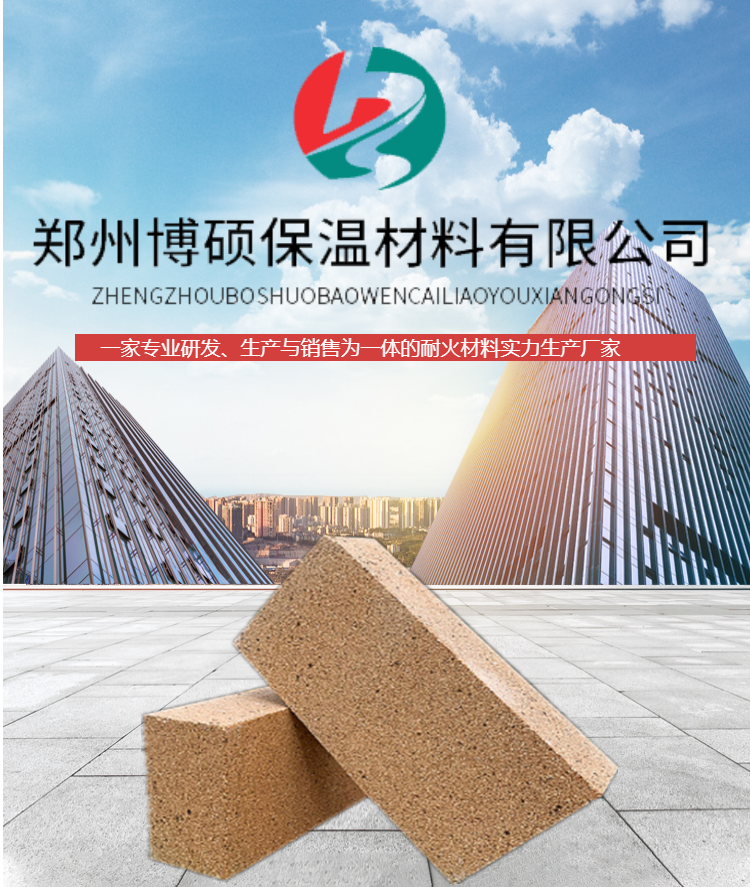
High-alumina bricks are refractory products made of alumina-silicate with an Al2O3 content exceeding 48%. They are produced from bauxite or other raw materials with high aluminum oxide content through molding and firing. They exhibit high thermal stability and a refractoriness above 1770°C. Depending on resource conditions and product requirements, several types of raw materials can be used: high-alumina bauxite, primarily composed of hydrated alumina minerals (such as gibbsite and boehmite); mullite group minerals (including andalusite, kyanite, and sillimanite); and artificial synthetic materials, such as industrial alumina, synthetic mullite, and electric fused corundum.
High-alumina bricks and multi-calcined clay bricks have similar production processes, differing primarily in the higher proportion of calcined material in the mixture, which can reach 90~95%. The calcined material must be graded, selected, and sieved to remove iron prior to crushing. The firing temperature is also higher, typically around 1500~1600°C for Grades I and II high-alumina bricks when fired in tunnel kilns.
Primarily used for lining blast furnaces, hot blast stoves, electric furnace roofs, blast furnaces, reverberatory furnaces, and rotary kiln linings.