
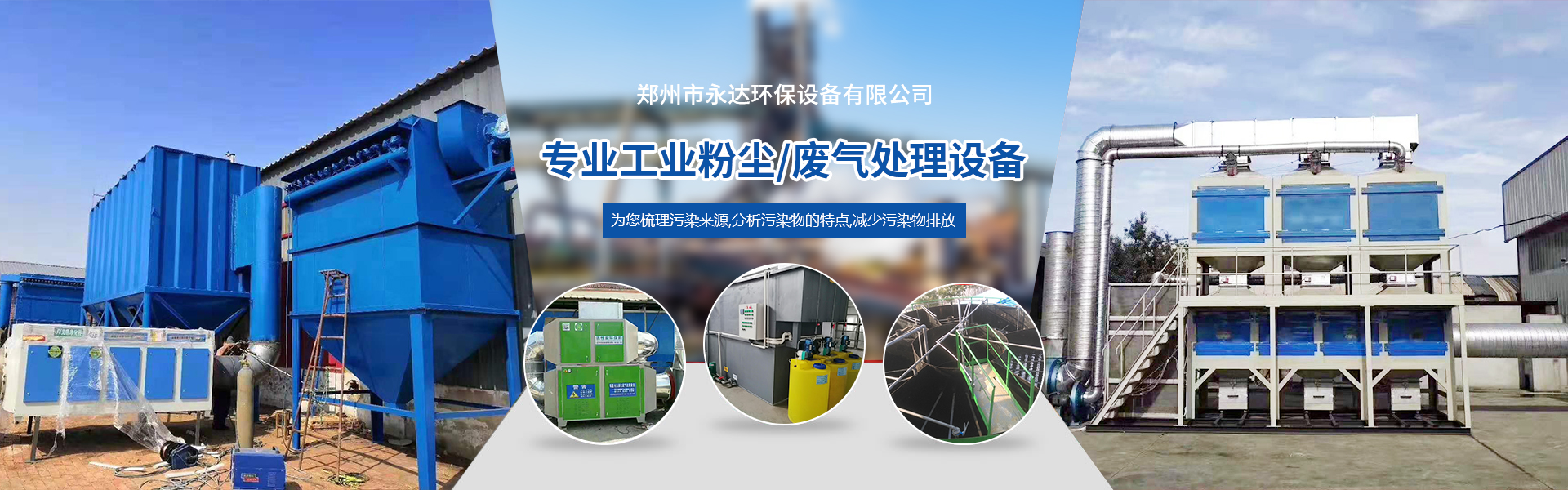
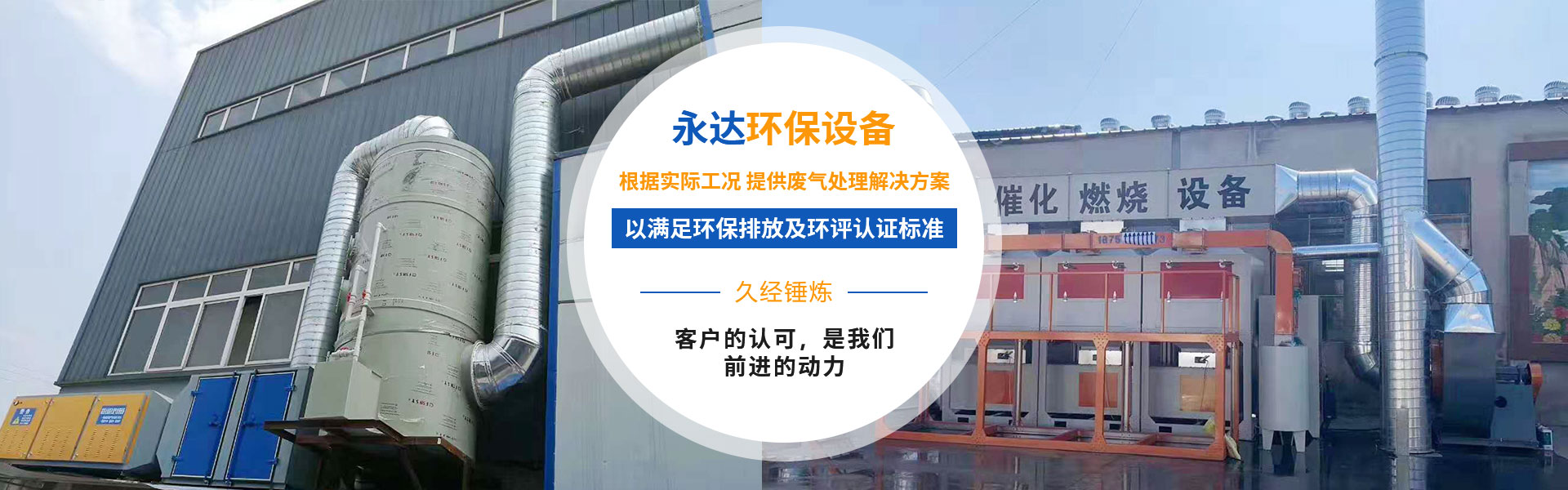


The RTO regenerative thermal oxidizer has undoubtedly been one of the most frequently discussed organic waste gas treatment equipment this year. By heating to high temperatures, it oxidizes and decomposes VOCs in organic waste gases into carbon dioxide and water, thereby purifying the exhaust. The heat from the high-temperature gases during oxidation is stored in a regenerator for preheating new organic waste gases. The RTO's popularity stems from its high thermal efficiency (≥95%), low operating costs, and ability to handle large volumes of low-concentration waste gases. Additionally, it can recover secondary waste heat at slightly higher concentrations, significantly reducing production and operational costs. The RCO catalytic combustion utilizes catalysts to adsorb VOC molecules, increasing the concentration of reactants and enabling anaerobic combustion of organic waste gases at lower ignition temperatures, resulting in the decomposition into carbon dioxide and water and the release of a substantial amount of heat. A notable feature of RCO is its low operating costs; typically, when organic waste gas concentrations reach a certain level (above 1000 mg/m³), the heating chamber in the purification unit does not require auxiliary heating, saving costs. Furthermore, during operation, it does not produce nitrogen oxides or other secondary pollutants.
News Center Co., Ltd.
