
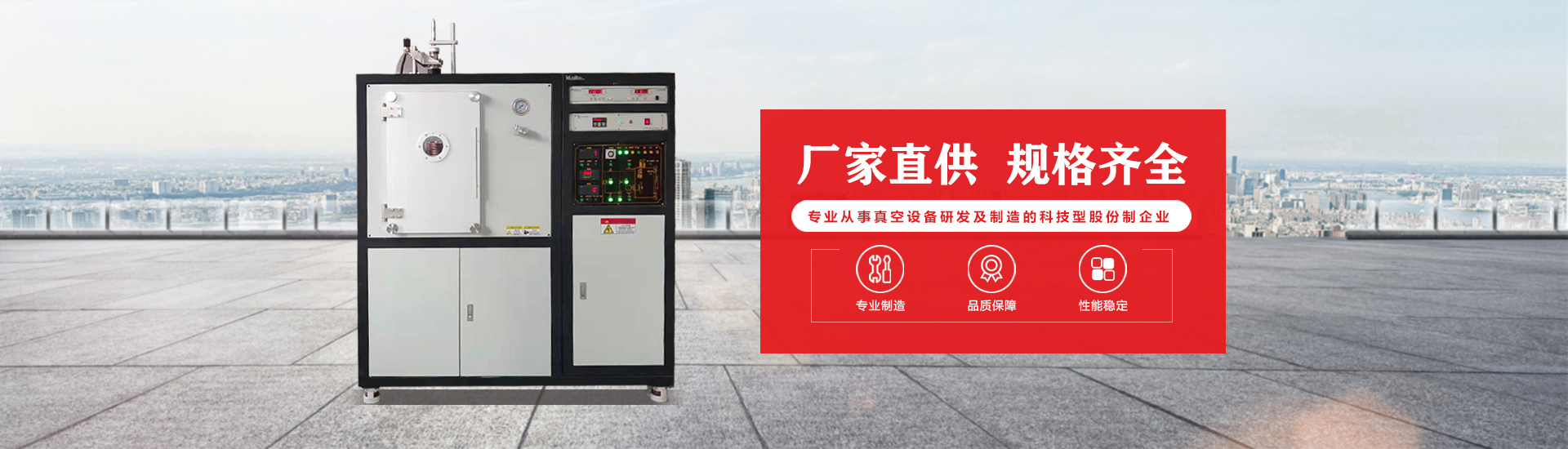


The vacuum sintering furnace is primarily used for sintering active and insoluble metals, hard metals, magnetic materials, and stainless steel. It is essentially a low-pressure (depression) sintering process. The higher the vacuum level, the closer the distance to the neutral atmosphere, resulting in fewer chemical reactions occurring in the material.
The primary advantages of vacuum sintering furnaces are: (1) Vacuum facilitates the removal of adsorbed gases, significantly promoting shrinkage during the late stages of sintering. (2) Vacuum aids in the removal of impurities such as silicon, aluminum, magnesium, calcium, and their oxides, serving as a material purification method. (3) Vacuum enhances the wettability in liquid-phase sintering, benefiting shrinkage during the sintering process and improving the structure of alloys. (4) Vacuum is an ideal inert gas. It can be used when other primary or inert gases are not suitable, or when materials are prone to decarburization and carburization. (5) Reduces pollution from harmful components in the atmosphere (water, oxygen, nitrogen, etc.) on the product. For instance, reducing the water content in electrolytic hydrogen to -40°C is challenging, whereas in vacuum sintering, it is equivalent to -40°C within a few hundred pascals.
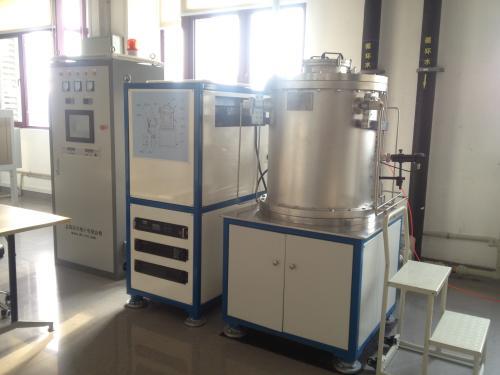
The volatilization loss of bonding metal during the vacuum liquid phase sintering process is a significant issue. It not only alters and affects the composition and structure of the alloy but also hinders the sintering process itself. The volatilization loss of bonding metal mainly occurs in the later stage of sintering (i.e., the holding stage). The longer the holding time in the vacuum sintering furnace, the greater the volatilization loss of the bonding metal. Therefore, chemical impurities, water, and other materials react with carbon in the material, leading to the emission of carbon monoxide. At this point, the furnace pressure increases significantly, and the total carbon content in the alloy decreases. Clearly, the change in carbon content depends on the oxygen content in the raw material powder and the vacuum degree during the sintering process. The higher both are, the easier it is for reactions producing carbon monoxide to occur, resulting in more severe decarburization.
Vacuum sintering and gas-protected sintering have no fundamental differences in a vacuum sintering furnace, but the sintering temperature is lower, typically 100 to 150 degrees Celsius less, which is beneficial for extending the lifespan of the sintering furnace and reducing electricity consumption.
