



The ground heating structure consists of an above-ground moisture-proof layer, an insulating layer (EPS or XPS board), and a reflective film. The heating coils (or heating cables) are fixed to the insulating layer using ground heating clips, which are embedded into the insulating material. This is the most widely used method for laying ground heating systems currently.
Benefits: Cost-effective materials, simple and convenient construction, easy construction organization; Drawbacks: Underfloor heating nails can pierce the insulation layer, weakening it; The springiness of the underfloor heating pipes makes them difficult to securely fix, leading to pipe warping and affecting concrete backfilling work; The close attachment of heating coils (or heating cables) to the insulation layer hinders the complete encapsulation of concrete, affecting the heat conduction.
Smaller diameter heating cables are prone to being embedded in insulation layers during construction, potentially leading to inadequate heat dissipation and underground overtemperature, which may cause cable combustion and pose a safety hazard.
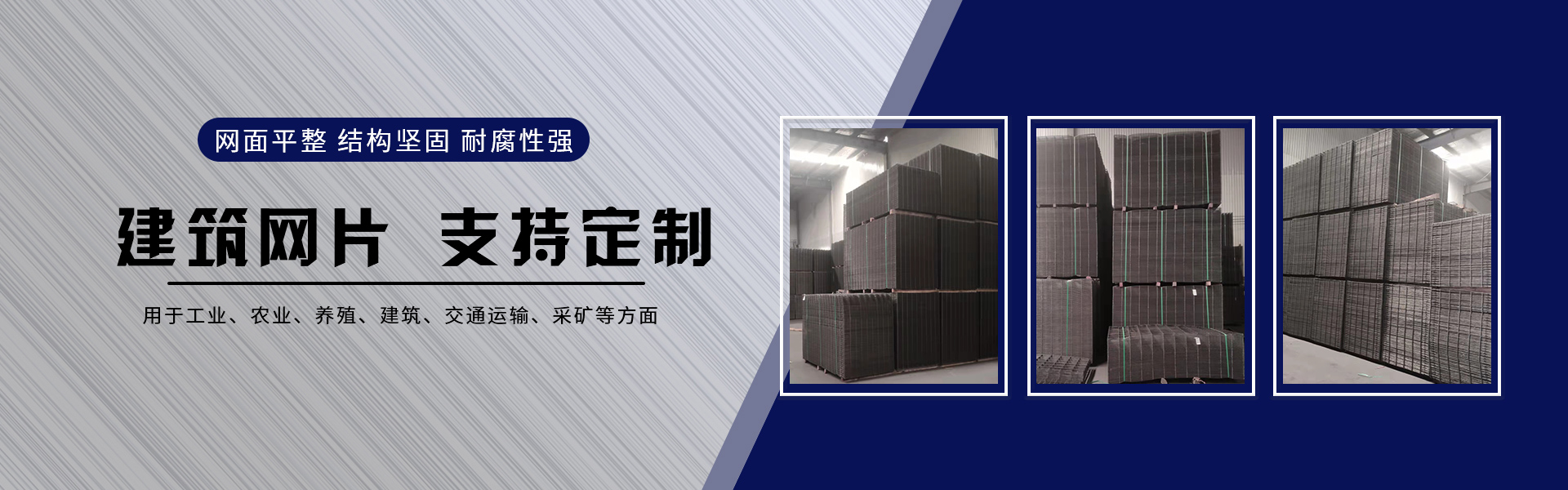
The ground heating structure consists of an above-ground moisture-proof layer, an insulating layer (EPS or XPS board), a reflective film, and a reinforced steel mesh specifically for ground heating. The heating coils (or heating cables) are secured to the reinforced steel mesh using ground heating straps. The heating coils (or heating cables) are suspended above the insulating layer, allowing the concrete to fully encase the heating coils (or heating cables). This is a widely used installation method for high-end ground heating systems.
Benefits: The use of steel mesh in underfloor heating creates a neat, orderly grid for pipe placement, ensuring straight and level installations; it enhances the strength of the upper structural layer, preventing concrete cracking and openings, and improves load-bearing capacity; it is also easy to fix heating pipes (or heating cables).
Radiant heating pipes remain straight and do not recover, facilitating easy concrete backfilling construction; heating pipes (or heating cables) are suspended above the insulation layer, which promotes complete concrete coverage and enhances heat transfer; smaller-diameter heating cables are less prone to embedding in the insulation layer during construction, and complete concrete coverage aids in heat transfer, ensuring safety and reliability.
The application of steel mesh sheets for radiant floor heating in China is still in its infancy, with the proportion of their usage in the total steel consumption being less than 10%. In the early 1990s, steel mesh sheets for radiant floor heating were listed as a key promotion project by the National Science and Technology Commission and the Ministry of Construction, along with the establishment of national standards and regulations. With the rapid development of China's infrastructure and the continuous increase in investment by the state, the implementation of the strategy of developing the western region, the demand for steel mesh sheets for radiant floor heating in essential construction sectors such as energy, transportation, water conservancy, housing, and municipal engineering will undoubtedly multiply. The market prospects for these sheets are vast; they are suitable for factory and large-scale production, representing a new industry with high profitability, environmental protection compliance, and alignment with the industrialization trend of the construction industry.
Rebar construction and welding for mesh roads are the trends in the development of the world's rebar industry.
2. The new reinforcement form of reinforced steel mesh for radiant heating is particularly suitable for large-scale concrete projects.
3. The widespread and rapid promotion of cold drawn ribbed steel bars and hot-rolled Grade 3 steel bars in our country provides a solid material foundation for the development of welding mesh. The formal implementation of welding mesh product standards and operational procedures has played a positive role in enhancing product quality and accelerating the promotion and application.
4. There is a significant potential demand for steel mesh sheets for underfloor heating in our domestic market.
5. The reinforced steel mesh for radiant floor heating is aesthetically pleasing.
6. Our country is a major steel-producing nation.
7. The development of steel mesh for radiant floor heating in China has met both soft and hard conditions domestically.
