
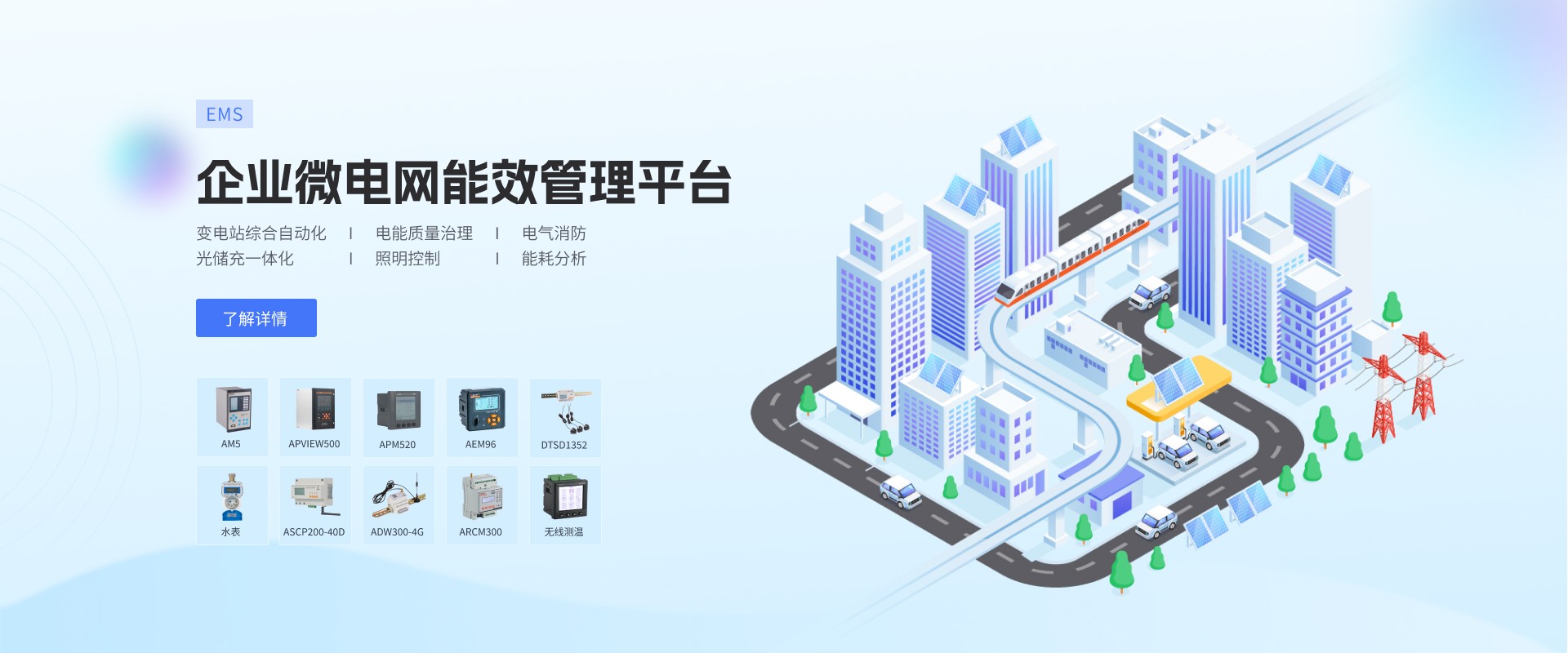
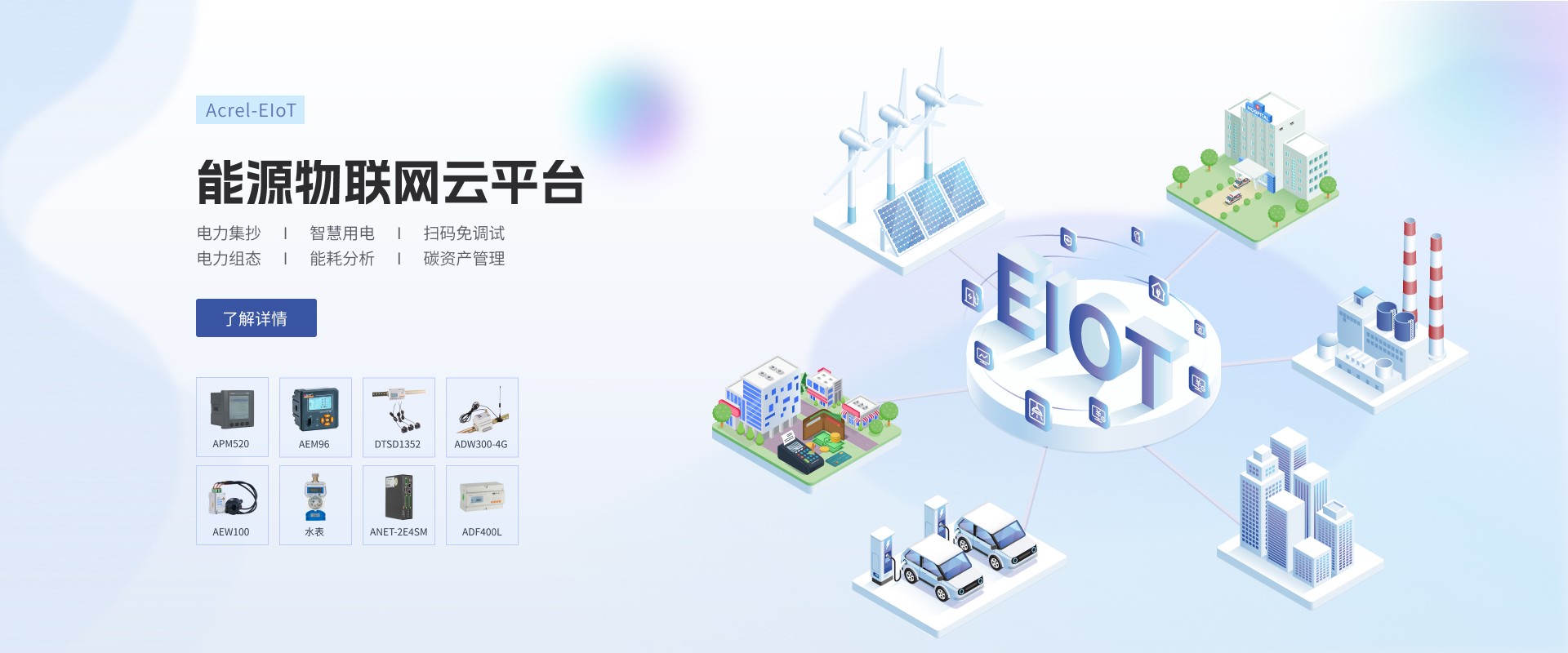

The ACCU-100 Microgrid Coordination Controller is an intelligent controller designed for microgrids, distributed generation, energy storage, and other fields.
Regulator. The device meets the requirements for integrating equipment such as photovoltaic systems, wind power generation, energy storage systems, and charging stations.
Through continuous data collection and analysis of microgrid systems, we monitor the operational status of photovoltaic, wind energy, energy storage systems, and charging stations.
Health status, aiming to optimize safe and economic operation on this basis, obtain the optimal control strategy, and subsequently implement the microgrid.
Real-time dynamic adjustment of distributed energy, energy storage systems, and loads in microgrids, promoting on-site utilization of new energy.
Hedging energy consumption, enhancing grid operation stability, and compensating for load fluctuations; effectively managing microgrid demand and improving microgrid operations.
Enhance operational efficiency, reduce power supply costs, and ensure the safety, reliability, and economic operation of microgrids.
Product Features
The ACCU-100 Microgrid Coordination Controller features the following characteristics:
Data Collection: Supports real-time operation of multiple channels, including serial ports and Ethernet, catering to various wind and photovoltaic inverters, energy storage systems, etc.
Device Integration
Communication Management: Supports Modbus RTU, Modbus TCP, IEC 60870-5-101, IEC 60870-5-103
60870-5-104 and MQTT communication protocols, enabling cloud-edge collaboration (combined with Ankerui Smart Energy Management Cloud Platform for remote)
Operation & Maintenance (O&M), OTA Upgrade, On-Site/Remote Switching, Local Human-Machine Interaction (Optional);
Edge Computing: Flexible Alarm Threshold Settings, Proactive Alarm Information Upload, Data Consolidation and Calculation, Logical Control, and Breakpoint Resumption
Continued transmission, data encryption, 4G routing.
Strategic Management: Reverse flow prevention, planning curves, peak shaving and valley filling, demand control, active/inactive power control, and light storage coordination, etc.
And supports strategy customization.
System Security: User permissions designed based on an untrusted model to prevent unauthorized access; data encryption and data
Secure verification technology employs data calibration and anti-tampering mechanisms to achieve data authentication and traceability.
Operational Safety: Collect and analyze full-site signals and measurement data, including battery, temperature control, and fire protection, to ensure operational safety.
Early Warning Forecast
Product Specifications
The ACCU-100 microgrid controller is primarily responsible for data collection and local control strategies for commercial and industrial photovoltaic energy storage and charging power stations.
And interaction with cloud data. Supported capacities: Storage capacity: ≤400kW, Photovoltaic capacity: ≤400kWp.
System Architecture
ACCU-100 Coordination Controller: Manages output of energy storage systems, distributed energy resources, and adjustable load devices
In response to electricity demand, the company is able to perform photovoltaic and energy storage substitution based on an economic benefit model, while ensuring scheduling compliance, thereby reducing...
Shut down lights and interact with cloud platforms, responding to cloud strategy configurations.
Smart Energy Management Cloud Platform EMS3.0: Satisfies the access of massive cross-site, cross-regional data.
Data analytics achieves various indicators such as resource, power, loss, performance, maintenance, and contribution across all sites.
Calculate and manage, and analyze trends in power generation and consumption through diverse forecasting, combining electricity price data and production schedules.
Optimize load demand and offer the best control solutions. Additionally, provide remote monitoring and maintenance capabilities.
Energy Scheduling
Manual Strategy
Supports manual microgrid and off-grid switching, distributed power generation, energy storage, and adjustable equipment commands for remote control actions.
Planned Curve
Users can independently configure electricity price templates based on local time-of-use electricity rates, set charging and discharging power for energy storage during different time periods, and create peak shaving and valley filling strategy templates. The functionality to configure strategies on a daily and weekly basis is provided. Adaptable to multi-regional and multi-price electricity environments, the strategy operation mode is optimized for various scenarios.
Demand Control
By connecting the total meter to the low-voltage side of the main transformer, the system real-time collects the demand value. When the demand value reaches the set limit, it triggers demand control. The system then adjusts the energy storage by reducing charging, discharging, lowering the charging power of charging stations, or decreasing the power consumption of adjustable loads, based on the configured parameters.
Dynamic Expansion
By connecting a total meter to the low-voltage side of the main transformer to real-time collect transformer load rates, protection is triggered when the transformer load rate reaches a set limit. The system then performs actions such as reducing charging, discharging, lowering the charging power of charging stations, or decreasing the power consumption of adjustable loads, based on configured parameters.
Anti-Backflow Control
By connecting a total meter for real-time collection of reverse power data to the low-voltage side of the main transformer, the system performs actions such as placing energy storage in standby, reducing discharge, charging, or reducing PV power output when reverse power occurs and reaches a set limit. The system's anti-reverse flow strategy is implemented through software protection. To achieve faster and more reliable protection, an additional reverse power protection device is required, which will immediately trip and protect upon detecting reverse current.
Backup Power Feature
During system operation, EMS coordinates and controls the execution of SOC protection for the energy storage system, ensuring the system operates within the set SOC range. A certain electric power range is reserved for backup capacity, which can be customized. It can provide emergency power supply to the load during grid power outages.
Other
Tailored strategies to meet customer requirements are available.
