

One, the level of digitalization on the load side is very low.
In the professional aspect of electricity, we are divided into several stages: "Power Generation, Transmission, Distribution, and Consumption" (including dispatching and the market, etc.).
The concept here is overlapping, referring to both the physical distribution network and the distribution specialty, which are not entirely synonymous.
For the power grid, the distribution specialty governs the public distribution network, which is just a part of the physical distribution network.
For the physical distribution grid, the electricity usage phase involves managing the user distribution grid (microgrid) and the various resources connected at the end of the grid (such as loads, distributed generation, and distributed energy storage).

From the perspective of electricity digitalization, the level of grid digitalization is high. Since the SG186 "Smart Grid" project initiated by State Grid Corporation of China (SGCC) in 2006, the company has been investing tens of billions annually in automation and informatization, significantly enhancing the level of digitalization. Southern Grid Corporation is not far behind.
The level of digitalization in power generation has also seen significant improvement in recent years, as various power generation groups have greatly enhanced the digitalization of the power generation sector in line with the trend of "smart power plants."
However, the digitalization of the load side for power users has remained at an extremely low level. The foundation of management is digitalization, and the low level of digitalization on the load side has become one of the major constraints for the development of virtual power plants. Virtual power plants involve the management of decentralized electricity resources, which includes: aggregation, abstraction, regulation, and interaction.
The vast majority of resources managed by virtual power plants are on the load side, distributed at the end of the distribution grid. When the digitalization and management level of the users' distribution (micro) grid are very low, naturally, the management level of the end resources is also low.
The management and digitalization levels of most user distribution networks (which are not recognized as such by many users) lag behind the upper-level (public distribution network) by over 20 years.
Despite being part of the same distribution network, the disparities are quite significant. This gap poses numerous challenges in the management of public distribution networks, such as internal user faults and relay protection devices jumping to higher levels (where the user's distribution protection device does not activate, but the grid protection device does).
Currently, it is not feasible to enhance the digitalization level on the load side through virtual power plants.
The next question is, who is responsible for enhancing the digitalization of the user's distribution network, can it be solely reliant on these third-party virtual power plants?
But this brings another paradox: virtual power plants are currently unprofitable, and even the current profits from virtual power plants are insufficient to offset the investments in load-side digitalization.
If accounted for financially separately, the vast majority of virtual power plant projects are currently operating at a loss.
These projects were able to be established for various reasons: some due to power grid companies' investment in pilot projects without cost consideration (though, in reality, some were included in the transmission and distribution tariffs, and others in the trading surplus of the power trading center); others involved power generation companies incorporating investments in digital load-side into their solar and energy storage investments; still others saw electricity sales businesses initially bearing the cost of digital load-side investments, later treating demand response subsidies as marginal revenue.
Before the large-scale promotion of virtual power plants, it's necessary to establish a load-side digital business model, rather than waiting for the commercial logic of virtual power plants to be established before proceeding with the load-side digitalization.
This is somewhat analogous to: Before the business models of Meituan and Pinduoduo were established, smartphones had already achieved commercial viability, and selling smartphones could be profitable.
Otherwise, if Pinduoduo were to deliver smartphones, their business model would certainly not be viable.
III. Digitalization on the Load Side, Unable to Measure Returns Individually
In practical projects, numerous distributed photovoltaic projects (commercial and industrial) utilize the "tariff price" as a benchmark to calculate photovoltaic electricity selling price discounts, forming a de facto shared benefit-type energy management model. Contracts for photovoltaic electricity sales are then signed with customers.
So, naturally, they believe that the digital investment in load-side energy also possesses such characteristics.
My response is: Even for commercial and industrial distributed photovoltaics, the catalog electricity price has been abolished, and the clearing prices in the spot market are showing a trend of frequent fluctuations and widening peak-valley price differences. In the future, there will be no anchored price to calculate a fixed return rate.
Solar energy is already like this; when facing fluctuating loads due to changes in production orders, and orders that keep moving with the industry's prosperity and customer demand, it's difficult to clearly calculate the energy-saving benefits of load-side digitalization. How do you calculate ROI?
The concept of ROI cannot be applied to the digitalization of load-side and virtual power plants, as ROI is more of an economic valuation method for "fixed asset investment."
Load-side digitalization and virtual power plants are essentially a "business service," rather than an asset investment.
Currently, power generation companies that are actively involved in the "Virtual Power Plant" business and believe they have a natural advantage are using the investment logic of "building power plants" to rapidly pursue the understanding of the "soft service" virtual power plants.
When there's a misalignment in understanding the fundamental logic of something's development, its progress will inevitably turn into a mess.
Four, the digitalization on the load side is essentially an enhancement of management awareness.
Why is the level of digitalization on the load side so low? I believe it's due to the lower energy management level of enterprises on the load side.
In actual projects, we have encountered numerous digital tools on the load side that were merely part of the construction project and ceased to function after the acceptance.
Why do industrial and commercial enterprises have a low level of energy management? This is because, in the past, as they were in a stage of rapid growth, the focus was more on the development of core businesses, rather than on "corporate energy management," which is considered an auxiliary service. The main concern was simply to ensure the normal operation of the enterprise.
The energy management awareness level of power-consuming enterprises determines the level of digitalization on the load side, ultimately deciding whether a virtual power plant can be implemented and continue to progress.
Currently, it is necessary to promote this awareness among enterprises through a comprehensive approach, including policy influence (such as demand response, dual control of energy, and carbon emission constraints), market price signals, and professional energy services, and generate visible value through digitalization and management.
Therefore, the promotion of virtual power plants is not achieved through mere digital project investments, nor solely by focusing on photovoltaics, energy storage, power sales, and energy conservation. It is more akin to an enterprise management upgrade, similar to financial optimization or ERP process optimization.
Digitalization on the load side is essentially just financial management software or ERP software. Nowadays, most companies no longer ask questions like "What is the ROI of investing in an ERP?"
To enhance the green energy efficiency of energy consumption on the regional level, policies have been continuously introduced, ranging from previous energy-saving services to the construction of distributed photovoltaic storage, microgrids, and multi-energy complementarity. However, they have always fallen into the "project investment" model, which is inseparable from the long-standing "infrastructure mindset" in the energy industry.
When an industry enters a period of mid-to-low growth, the original construction mindset shifts to operational and management thinking. That's when the best opportunity for digitalization arises.
The real estate industry is transitioning from "selling houses" to "self-operating property management," poised to enter a peak era of digitalization in real estate management.
The same logic applies to the load side; the profound significance of the virtual power plant lies in this as well.
1. Overview
The article was highly informative. This piece aims to delve into the topic of power users' load side, specifically discussing the ways and significance of digitalizing corporate microgrids.
Virtual power plants essentially utilize energy internet technology to integrate controllable loads, charging stations, distributed photovoltaics, and distributed energy storage from thousands of corporate microgrids. This transforms them into a certain scale of adjustable load resources and power generation capacity. By coordinating with the demand response of the main power grid through this invisible "power plant," it addresses issues such as large peak-valley differences and local power supply shortages while generating profits. This is a win-win situation for both the power grid and electricity-consuming enterprises. This year, virtual power plants have frequently received policy support, sparking a development boom in the industry. The main reason is that the contradiction between peak and off-peak power demand in our country is becoming increasingly prominent. In the future, virtual power plants can play a crucial role in alleviating supply and demand contradictions and improving the stability and flexibility of the power grid.
Virtual power plants have a relatively mature operational mechanism abroad, but currently, there are few genuinely implemented projects in China, with most being pilot programs. As Mr. Yu Qing mentioned, there are two main reasons. Firstly, virtual power plants are currently unable to sustain profitability. Secondly, the infrastructure of virtual power plants, which includes the digitalization of numerous corporate microgrids, is too low. Substantial resources are needed initially to achieve the digitalization of these corporate microgrids. The low level of digitalization on the corporate microgrid side has become one of the constraints on the development of virtual power plants.
How to Establish a Corporate Microgrid Digitization
Energy management awareness determines the level of digitalization in a company's power grid. To enhance digitalization, further policies (such as demand response, dual control of energy, and carbon emission constraints) and price incentive mechanisms will be introduced to promote the establishment of a digital microgrid for enterprises. This will lay the infrastructure for the promotion and development of virtual power plants, while also enhancing the company's energy management awareness and creating value through digital energy management. So, how can a company establish a microgrid digitalization that suits its needs?
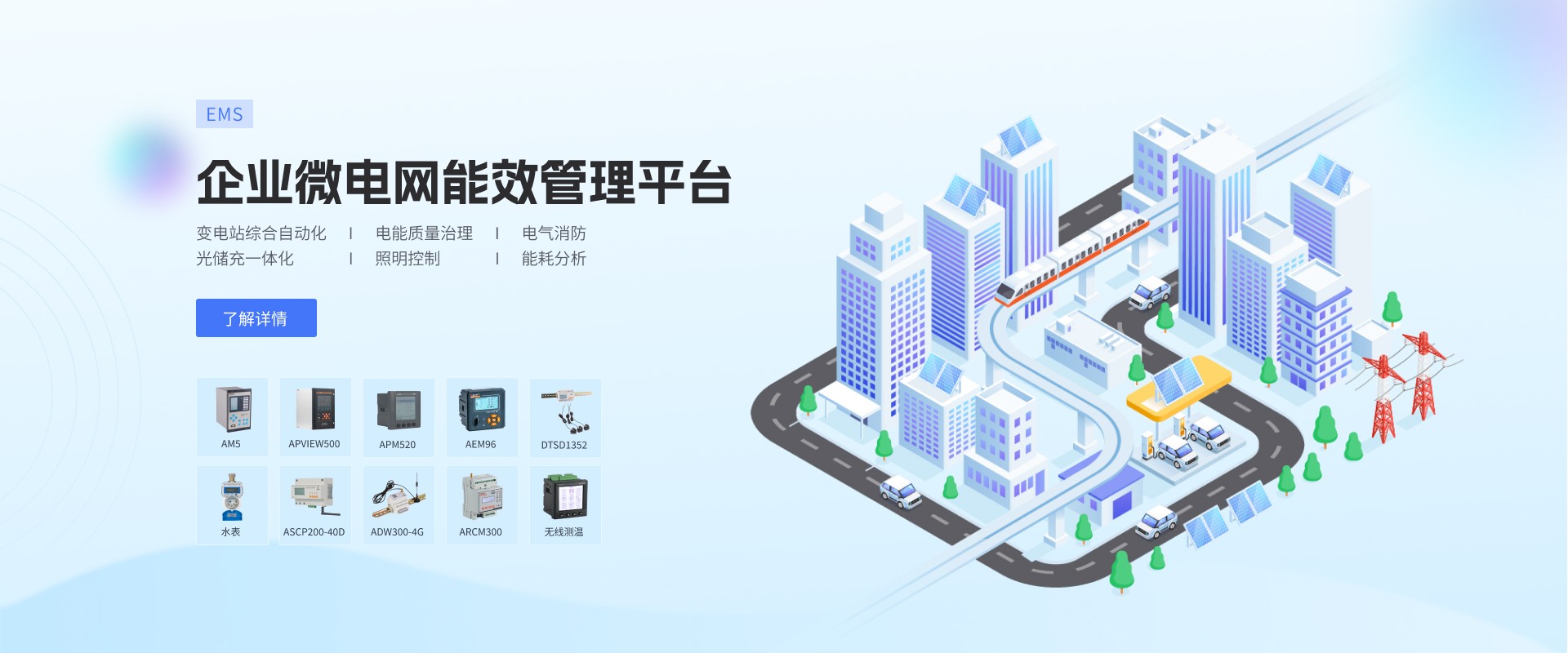
The digital system (EMS) for the corporate microgrid includes on-site sensors, smart gateways, and microgrid digital software. Sensors are used to monitor and control load equipment and distributed generation systems (system) within the enterprise. The data from on-site sensors are connected to edge computing smart gateways, each of which can be regarded as a regional command center. These gateways collect sensor data, perform protocol conversion, and upload it to the EMS and forward it to third-party systems. The gateways can execute logical calculations based on pre-set thresholds or automatic learning and execute commands from the EMS. The EMS can be seen as the command center for the corporate microgrid, generating various charts, control strategies, and analytical conclusions based on data uploaded by smart gateways. It responds to dispatch instructions from virtual power plants according to set permissions, with numerous EMS systems forming the foundation of a virtual power plant. The system architecture is shown in Figure 1.

The AcrelEMS corporate microgrid digital system integrates functions such as power monitoring on the enterprise load side, energy consumption statistics, power quality analysis and treatment, intelligent lighting control, monitoring of major energy-consuming equipment, EV charging station operation management, distributed photovoltaic monitoring, and energy storage management. Users can centrally monitor, dispatch, and maintain the corporate microgrid globally and as a whole through a single platform, while also meeting the enterprise's requirements for reliable, safe, energy-saving, and orderly electricity use.
Microgrid Digital System Features
3.1 Power Monitoring
Real-time monitoring and control of electrical parameters, operating status, and contact temperatures for distribution equipment such as transformers, circuit breakers, DC screens, busbars, reactive compensation cabinets, and cables involved in the 35kV to 0.4kV distribution of the substation, as well as monitoring and treating the power quality of the main circuits of the enterprise microgrid, handling faults promptly, and issuing alarm information to enhance the reliability of the enterprise's power supply.

3.2 Energy Consumption Analysis
The company collects energy consumption data for electricity, water, gas, and other energy sources, categorizes and itemizes energy consumption statistics, calculates energy consumption per unit area or product, and identifies trends. It conducts energy efficiency diagnostics for major energy-consuming equipment, calculates corporate carbon emissions, and provides data support for the company to formulate peak carbon dioxide emissions and carbon neutrality strategies.

3.3 Lighting Control
The intelligent lighting control function can be tailored to meet corporate needs, including scheduled control, light-sensing control, scene control, centralized control, and dimming control. It also integrates infrared and ultrasonic sensors to achieve automatic lighting when people are present and turning off when they leave, thereby saving energy consumption for lighting in the enterprise.

3.4 Distributed Photovoltaic Monitoring
Monitor the operation of corporate distributed photovoltaic power stations, including inverter operating data, photovoltaic power generation efficiency analysis, electricity generation and revenue statistics, and photovoltaic power control.

3.5 Energy Storage Management
Monitor the operation of energy storage systems, battery management systems (BMS), and power conversion systems (PCS), including operational modes, power control modes, and parameters such as power, voltage, current, and frequency. Track the charging and discharging voltages, currents, state of charge (SOC), and temperatures of energy storage batteries. Set charging and discharging strategies for the energy storage system based on the company's peak-valley characteristics and fluctuations in electricity prices, control the charging and discharging modes of the energy storage system to flatten the peak and fill the valley, and reduce the company's electricity costs. See Figure 6.

3.6 Charging Station Operation and Management
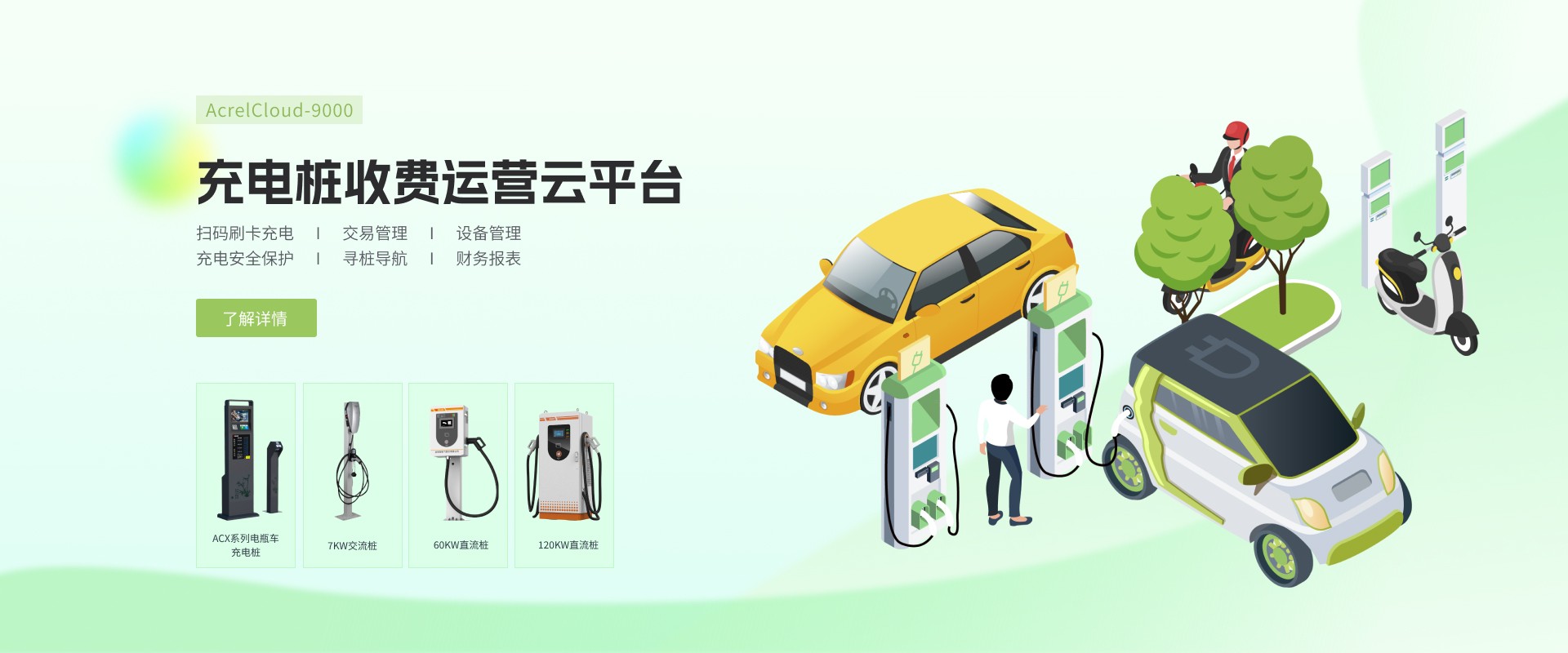
Monitor the operational status of the microgrid charging stations of enterprises, offering functionalities for charging station billing management and status monitoring, and adjust the charging power of the charging stations based on changes in the enterprise load rate and dispatch instructions from the virtual power plant, ensuring stable and safe operation of the enterprise microgrid.

3.7 Requirement Response
Based on the fluctuation data of corporate load and in conjunction with the dispatch instructions of the virtual power plant, the platform determines how to participate in the grid's demand response. It can adjust charging and discharging times by issuing control strategies to the energy storage system. During the demand response period, the platform adjusts the power of controllable loads and stops supplying power to interruptible loads. Additionally, it can formulate demand response control strategies based on the company's controllable load data, enabling one-click response.

4Microgrid Digital System Hardware Equipment
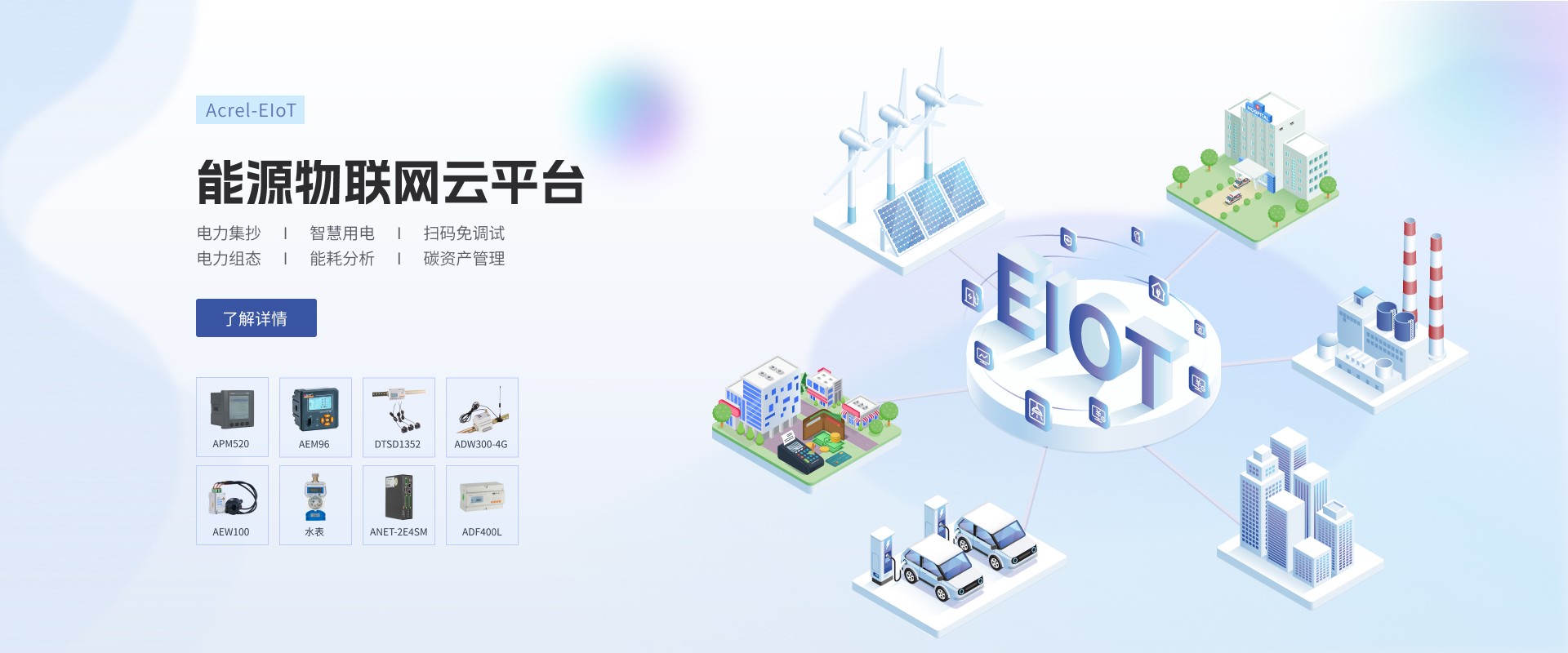
Ankorri's microgrid digital system for enterprises not only includes software but also on-site sensors, intelligent gateways, and other equipment. It also encompasses products like comprehensive protection and monitoring for high and low voltage power distribution, online monitoring devices for power quality, power quality management, lighting control, new energy charging stations, and electrical fire safety solutions. This provides a one-stop service capability for enterprise microgrid digitalization.

4 Conclusion
As the article states, "Digitization on the load side is essentially an upgrade in management awareness." The digitization of corporate microgrids is a trend that is gaining momentum, it is a necessary condition for the development of virtual power plants, and it is also a necessary means for enterprises to improve their energy management level. With the advancement of the dual carbon policy and electricity reform policy, to improve energy utilization efficiency and address the issue of large differences between peak and off-peak grid load, it is inevitable that an increasing number of policy tools will be brought to the table, including increasing the flexibility of electricity prices, widening the gap between peak and off-peak electricity prices, and double control of energy consumption, etc. In this situation, relying solely on manual management is unable to adapt to policy and electricity price changes. Enterprises that establish and adapt to energy digitization management in advance will gain the advantage of electricity costs more quickly and truly enjoy the benefits of electricity reform policies.
