

Uncertainty Surrounding Liquid Feeding? This Article Will Answer All Your Questions and Provide a Detailed Analysis. Farmers Can Consider Whether to Upgrade and Adjust Their Pig Farms.
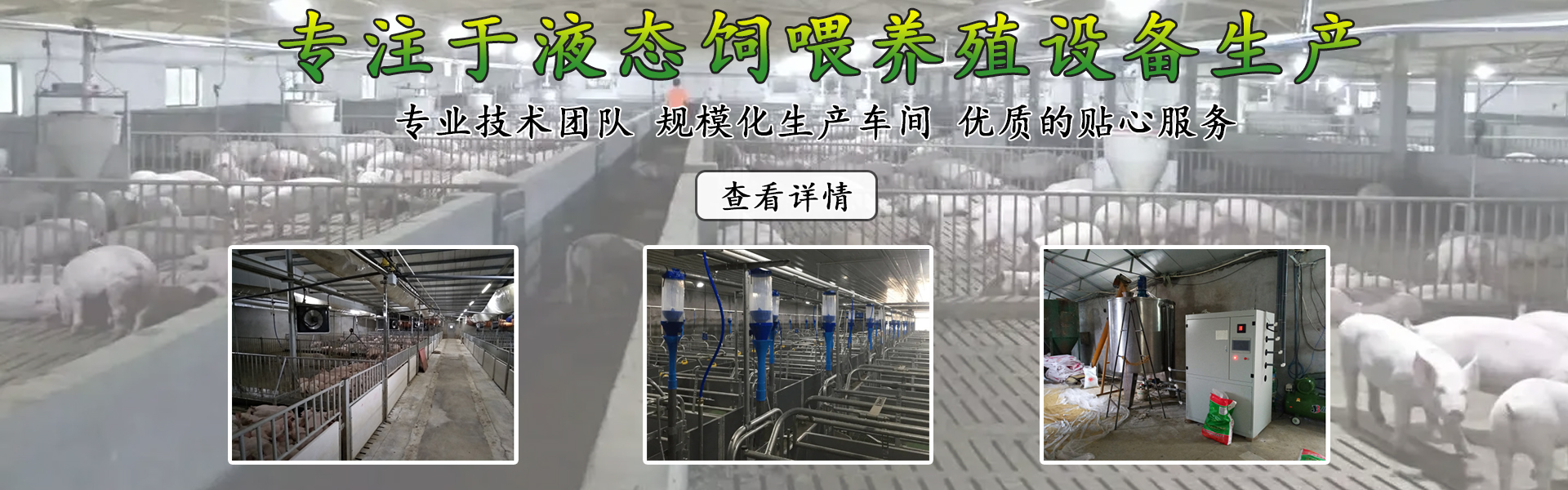
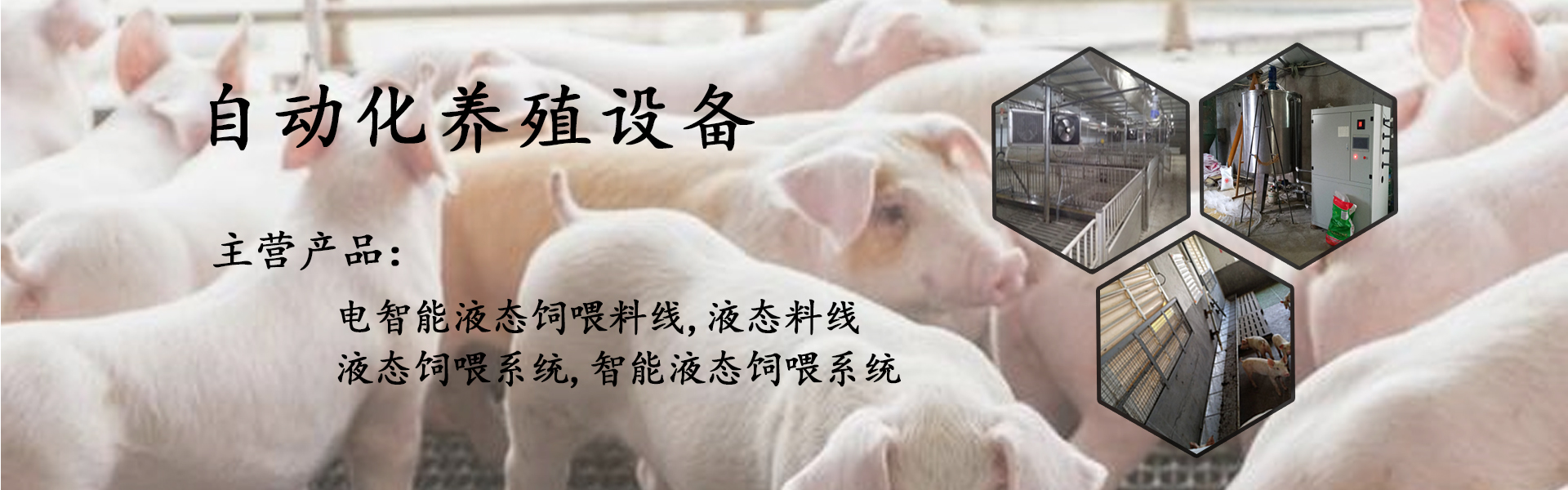
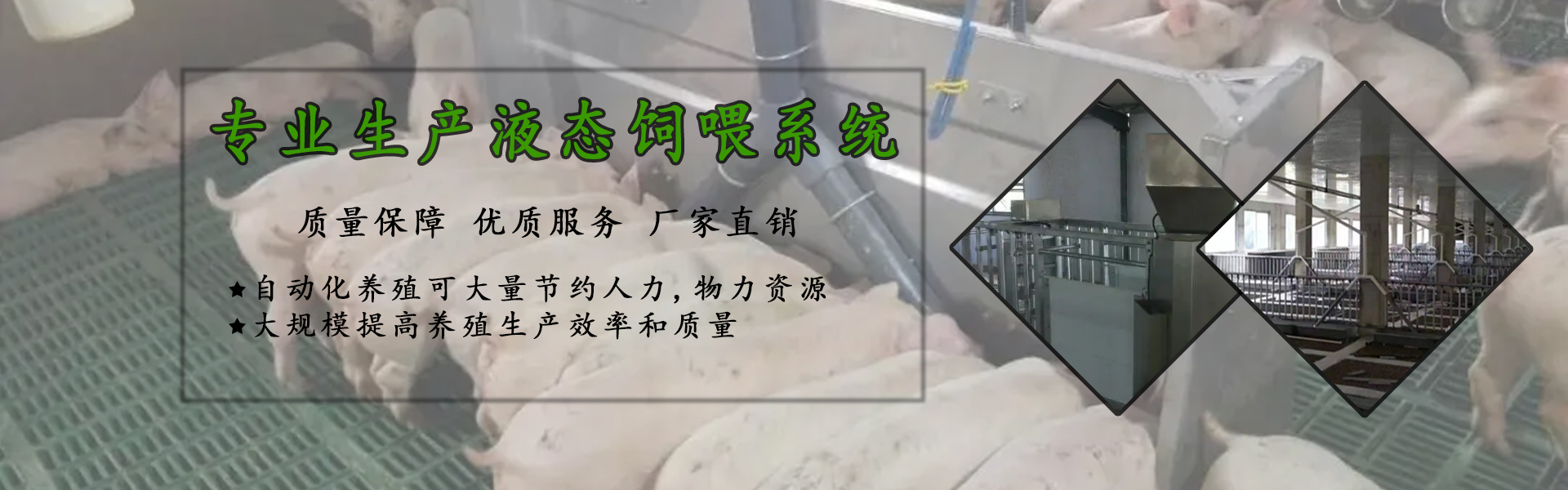
Firstly, the liquid feeding system referred to here is a mature and qualified liquid feeding equipment (after all, there are mixed products on the market, and farmers need to be vigilant in their selection). The liquid feeding system typically consists of a main control interface, water tower, feed tower, mixer, conveying pipes, and feed troughs. The mixer thoroughly mixes water and feed. During this process, the water and feed are sterilized at high temperatures, cooled to a constant temperature, and then delivered to the feed trough through the pipes in a timed and measured manner. After feeding is completed, the pipes automatically clean and dry themselves, eliminating concerns about mold and spoilage. This ensures that regardless of summer or winter, the feed the pigs consume is cooked and well-prepared, significantly reducing the risk of diarrhea. Can pigs be sated? This question is actually quite straightforward. Pigs eat cooked and well-prepared feed, which is nutritionally balanced and easily digestible. How could they not be sated?
Next, liquid feeding is not a new concept. In ancient times, there were examples of farmers using slops to feed pigs, which is actually the early history of liquid feeding. As time has passed, this practice has continued and evolved into the modern liquid feeding systems widely used in large-scale pig farms, with more modern and technological advancements. Abroad, for instance, about 70% of pig farms in France use liquid feed; in the Netherlands, approximately 60% of pig farms employ liquid feed. Domestically, the liquid feeding system is also gradually gaining traction in the pig farming industry.
