


Dumplings are composed of two parts: the dough wrapper and the filling. The preparation of the dough wrapper is crucial, as a good wrapper should be thin, elastic, and not tear during boiling. Once cooked, the dumplings should appear white and shiny, with a satisfyingly chewy texture. Dumplings have a long history in our country, and they are not only a delicacy but also a unique folk tradition in many regions. Eating dumplings during the New Year is a must for many Chinese people. However, issues may arise where the dumpling wrappers become overly soft. How can we prevent the wrappers from becoming too soft? Today, the editor from Yi Yang Foods will provide a detailed explanation:

The primary reason that dumpling wrappers tend to become easily soft when cooked is:
One: The reason for the flour: The chosen flour for dumpling making lacks sufficient gluten, and the ordinary flour has poor water absorption, leading to the issue of the dumpling skin becoming damaged. Adding a dumpling flour modifier can improve the water absorption and gluten content of the ordinary flour.
Two, Dough Consistency and Water Temperature: Inadequate control of water temperature and dough resting time during dumpling making can be improved by using dumpling skin improver, which is also convenient and quick to use.
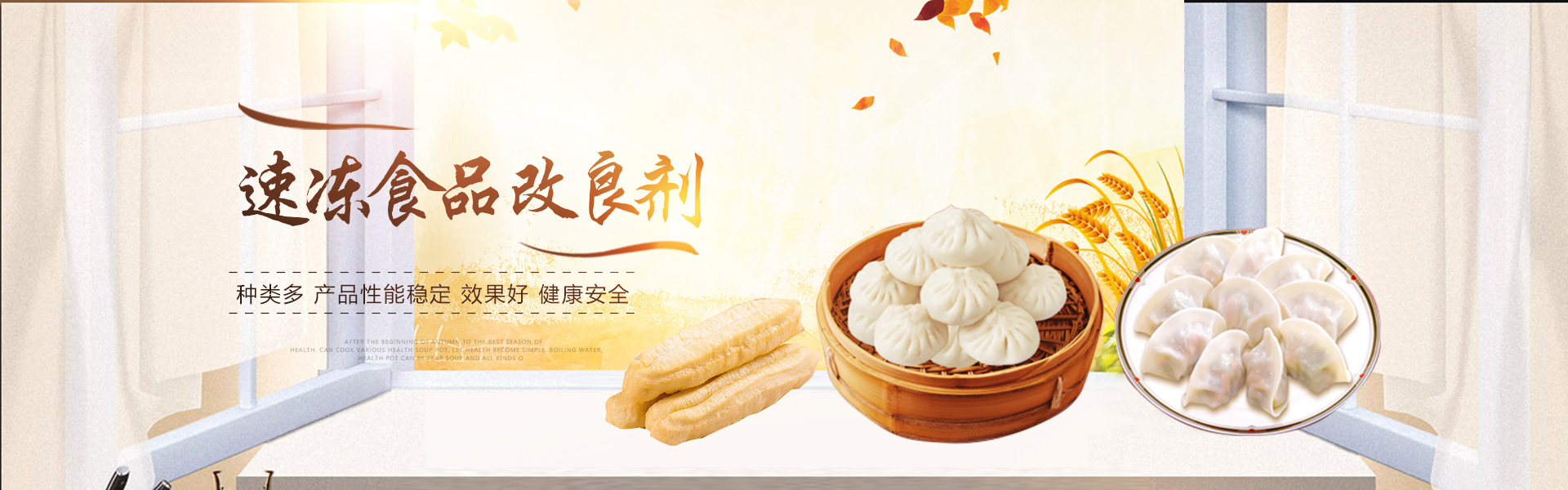
Three, the reason why frozen dumplings are more prone to skin damage is that the dumplings crack during the freezing process while stored in the refrigerator. These tiny cracks are often not noticeable. Additionally, collisions between dumplings can cause more corner defects. This is also why dumpling skins tend to break easily when cooked. Using dumpling skin improver during packaging can prevent cracking and ensure that the dumplings become more durable and chewy when cooked.
How to Solve the Issue of Stale Dumpling Skins When Boiling
Our dumpling skin improver is suitable for the processing of dumpling skins, wonton skins, noodles, and other noodle foods. The main components of the dumpling skin improver are complex phosphates, which can effectively enhance the quality of flour proteins, forming a better gluten network and simultaneously improving the dough's softness. When a moderate amount of dumpling skin improver is added to common all-purpose flour, the processed dumpling skins are not only thin but also less likely to tear, with a white luster and texture that is comparable to high-gluten flour.
