

Lead Glass - Lead glass has a specific gravity.
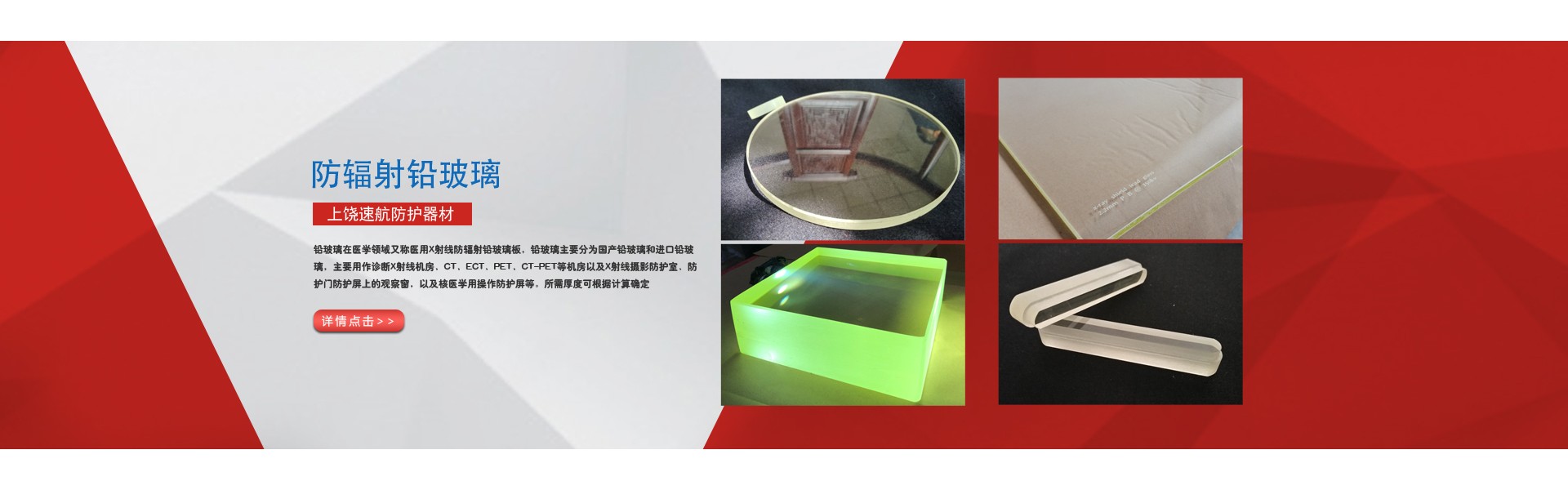
Lead glass is a type of glass containing lead, with lead content typically ranging from 18% to 40%. Due to lead's higher density than regular glass, lead glass also has a greater specific gravity, with values generally between 2.9 and 4.0, most commonly around 3.5. This high specific gravity allows lead glass to be used in specialized fields such as radiation protection and sealed containers. Known for its protective, sealing, and soundproofing properties, lead glass is frequently employed in nuclear industries and similar settings.
II. Characteristics and Applications of Lead Glass
Lead glass is renowned for its high lead content, high density, and poor transmission. Its application in radiation protection primarily utilizes the high density and radiation-absorbing properties of lead glass to prevent radiation leakage. Additionally, lead glass is also a decorative glass, with its unique optical properties and colors suitable for various art pieces, architectural decorations, gravestones, and more.
III. Precautions for Lead Glass Safety Issues
As a lead-containing material, lead glass poses potential safety hazards. Long-term exposure to lead can be harmful to human health, and lead can also pose risks to workers during the production process. Therefore, the use of lead glass must be strictly adhered to national safety standards and operational procedures to minimize lead release and contamination. Additionally, radiation levels in areas using lead glass must be regularly monitored to ensure safety.
