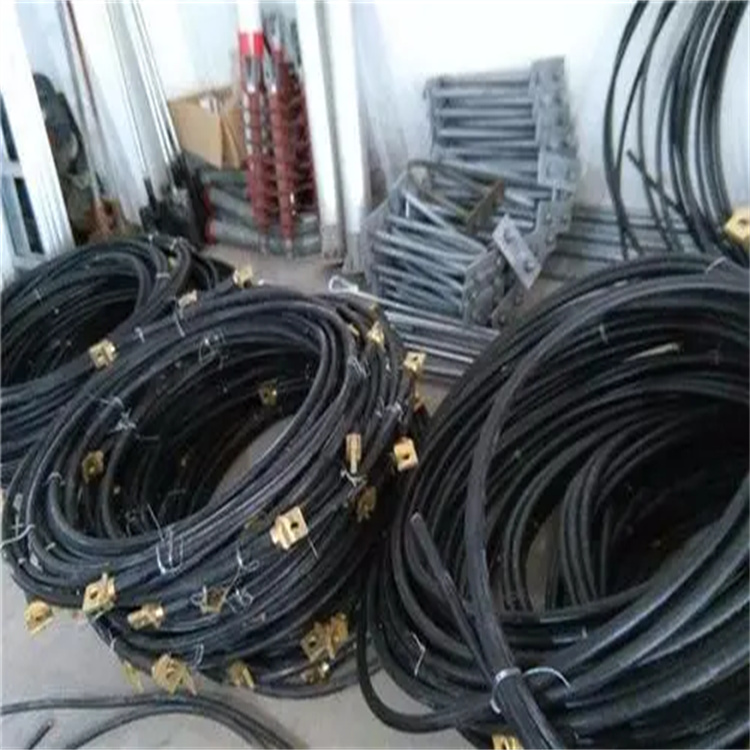
We offer on-site collection of waste electrical wires, cables, power cables, network cables, broadband cables, communication cables, underground cables, cable ends, cable copper, factory cables, computer wire recycling, high-voltage cable recycling, transformer cable recycling, scrapped cables, construction site cables, Sun Brand flat wires, mixed wires, waste wires, telephone lines, cable TV antennas, electrical waste wires, machine wire, environmental-friendly motor wires, factory cable ends, forklift power cables, electronic factory cable ends, and network cables. This includes bare wires, electromagnetic wires, and insulated wires for electrical motors and appliances, as well as power cables.

Cables that are unusable are typically classified as scrap. Some are returned to the manufacturer for repair and replacement, while others, not eligible for replacement, are usually processed as scrap copper. These are then purchased and processed by local scrap material recyclers, who strip the cables for copper, which is either sent to copper factories for cable or other copper product manufacturing or directly melted into copper ingots.
Cable Recycling & Used Cable Recycling Classification:
Recycling common electrical accessories: cable terminal junction boxes,废旧cable disposal methods, connecting pipes, and terminal connectors, intermediate cable junction boxes, steel plate wiring channels, cable trays, etc.
Recycling Cable Trays: Generally used for outdoor overhead laying of power cables in industrial and mining enterprises, as well as for the disposal of obsolete electric cables, control cables, and can also be applied in outdoor installations for telecommunications, broadcasting, and television departments.
The categories include: bare conductors, insulated wires, heat-resistant wires, power cables, control cables, recycling methods for waste wire and cable, shielded wires, communication cables, radio frequency cables, etc.
Recycling Cable Intermediate Connectors: Devices that connect conductors, insulation sheathes, and protective layers of cables to each other, enabling the connection of cable lines, the method of disposing of waste electrical wires and cables is known as cable intermediate connectors.
Solid waste enters the magnetic separator, where magnetic particles are magnetized under the influence of uneven magnetic sound and are then attracted by the magnetic field. These particles are drawn into the cylinder and discharged at the discharge end. Due to the small magnetic field acting on the waste, non-magnetic particles remain in the waste. The magnetic field source for magnetic separation is typically an electromagnet or a permanent magnet.
As for specialized planning, construction equipment, project supervision, after-sales service, etc., there will be no ventilation. Avoid locking the doors and windows. When using the central air conditioning in winter, do not lock the doors and windows, and do not rely on the air conditioning to adjust the temperature for extended periods.