
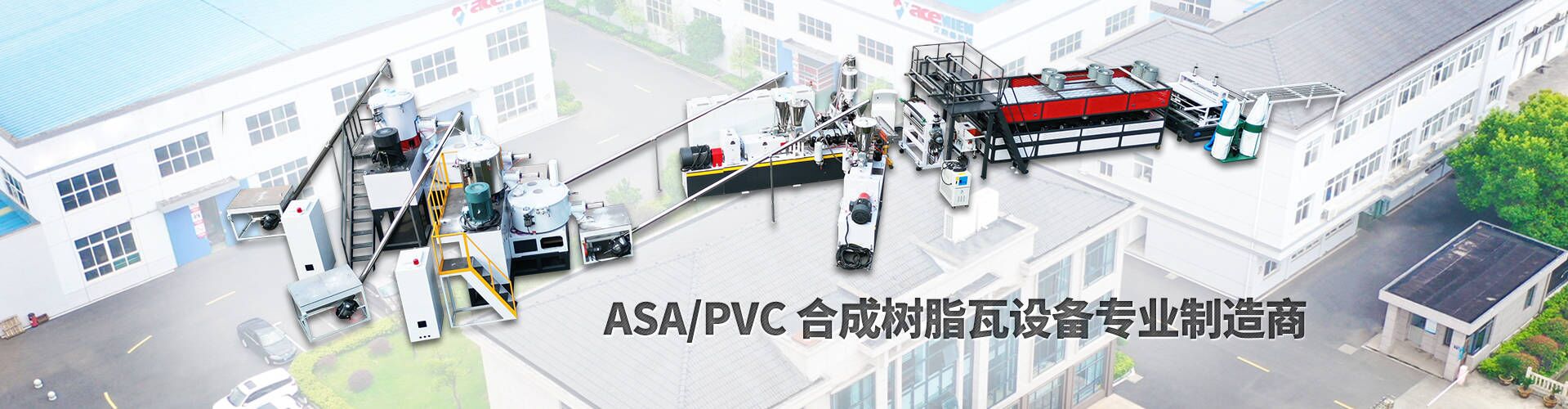

Resin composite tiles are a new building material developed through the application of advanced organic chemical and petrochemical technology. They possess various high-quality features such as light weight, high compressive strength, waterproofing, corrosion and flame retardancy, noise reduction, and heat insulation. Resin tiles are made from synthetic resins. What are the differences between them? Below, professional technicians from a light-transmitting panel manufacturer explain:
Difference 1: Raw materials used are different:
Our resin composite tiles are made from high-aging-resistant engineering resins, developed using advanced organic chemistry and chemical engineering technologies. While resin tiles are generally soluble in organic chemicals, they are not water-soluble; these resins contain a significant amount of massage oil and resin.
Difference 2: Application of leadership varies.
Resin tile designs are aesthetically pleasing with strong sense of hierarchy, featuring Chinese elements that have led to their widespread use in various long-term engineering architectural flat roof decorations. Resin composite tiles are widely applicable in the development zones for attic skylights, agricultural and commercial wholesale markets, large shopping malls, residential communities, villa bungalows in new rural planning, awnings, sunshades, and ancient architectural renovations.
Difference 3: Unique Features
Composite resin tiles offer a variety of superior features, including light weight, high compressive strength, waterproofing, anti-corrosion, flame retardancy, noise reduction, and thermal insulation. Resin tiles boast advantages such as long-lasting colors, lightweight, self-waterproofing, durability, thermal insulation, noise reduction, low-carbon environmental protection, fire safety, insulating properties, and easy installation.
The difference between resin composite tiles and resin tiles ends here.
