



 通过中商114认证
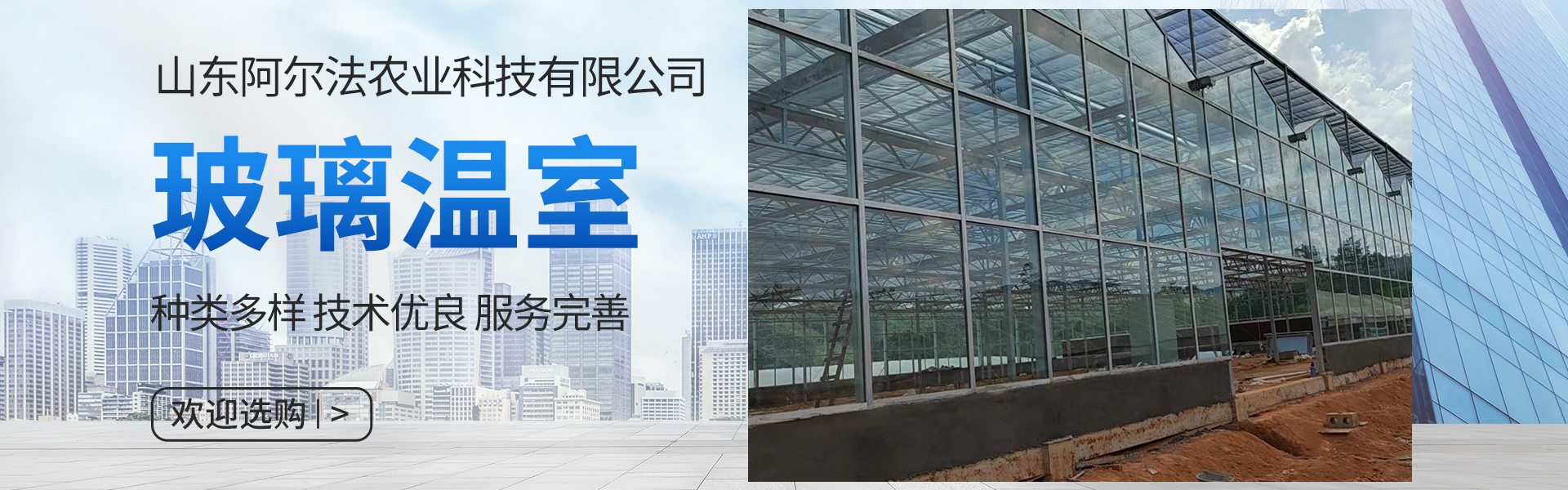
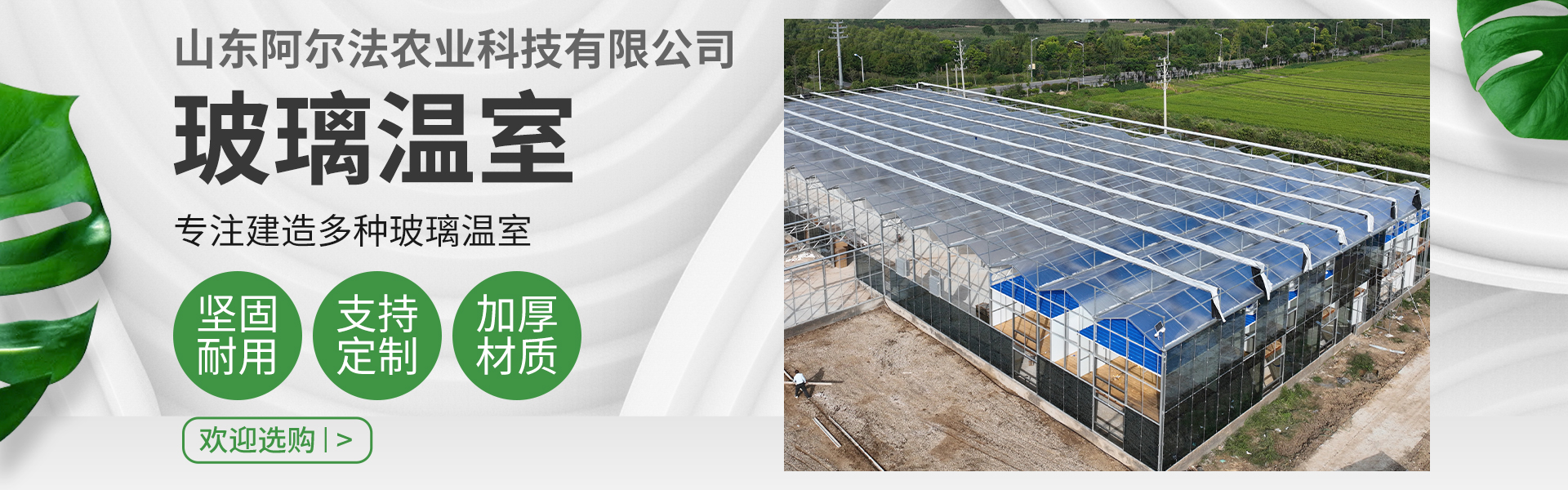
Glass greenhouses refer to structures with hot-dipped galvanized steel frames and glass as the lighting material. These greenhouses are equipped with specialized aluminum profiles for the roof and sides. As the longest-lasting form of cultivation facility, glass greenhouses are suitable for use in various regions and under diverse climatic conditions. They can be fully automated and come with optional配套设施, including external shading systems, internal shading systems, wind and water curtain cooling systems, roof-opening ventilation systems, lighting systems, seedling bed and seedling cultivation systems, sprinkler systems, and computer control systems.
What is the atmospheric insulation effect? The Earth's atmosphere is nearly transparent to solar shortwave radiation, allowing most of the sun's radiation to pass through and warm the ground. However, the atmosphere acts as an insulator for the ground's longwave radiation, trapping most of the heat emitted by the ground within the atmosphere and then re-radiating it back to the ground. This phenomenon is referred to as the atmospheric insulation effect. Therefore, an increase in carbon dioxide strengthens the "greenhouse effect" (an increase in carbon dioxide enhances the atmosphere's ability to absorb the ground's longwave radiation, raising atmospheric temperatures; it also strengthens the atmosphere's inverse radiation, compensating for more heat loss from the ground).
2. How to understand the greenhouse effect in glass greenhouses? The glass acts similarly to the insulating effect of carbon dioxide. Shortwave solar radiation can pass through the glass and plastic greenhouse, warming the interior. When the interior ground heats up, the emitted ground radiation is blocked by the glass or plastic greenhouse, reducing heat loss. Additionally, glass prevents the exchange of heat between indoor (warm) and outdoor (cold) air through convection or turbulence, resulting in a higher temperature inside the greenhouse.
3. Northern greenhouse technology's favorable impact on agricultural production's light, heat, and water conditions? (①Maximizing winter sunlight utilization; ②Increasing the temperature inside greenhouses to mitigate the impact of winter cold damage on agriculture, allowing crops to be grown during winter as well; ③Beneficial for maintaining and regulating the air and soil moisture inside greenhouses.)
Prior to the early 20th century, it was mistakenly believed that the保温 mechanism of glass greenhouses (flower houses without artificial heating) was similar to that of the atmosphere, hence the term "greenhouse effect." In 1909, American physicist Wood conducted experiments with greenhouses using rock salt (transparent to both short and long-wave radiation, allowing long-wave radiation to pass through) and glass (capable of transmitting short-wave radiation while trapping long-wave radiation). The results showed that the temperatures inside both greenhouses were identical. This indicates that the保温 effect of greenhouses primarily does not depend on blocking or absorbing long-wave radiation, but rather on the glass or rock salt walls preventing heat exchange between indoor (warm) and outdoor (cold) air through convection or turbulent flow. Studies suggest that this prevention of heat exchange between indoor and outdoor air is 3-4 times more effective than the warming effect of atmospheric greenhouse gases absorbing long-wave radiation.
