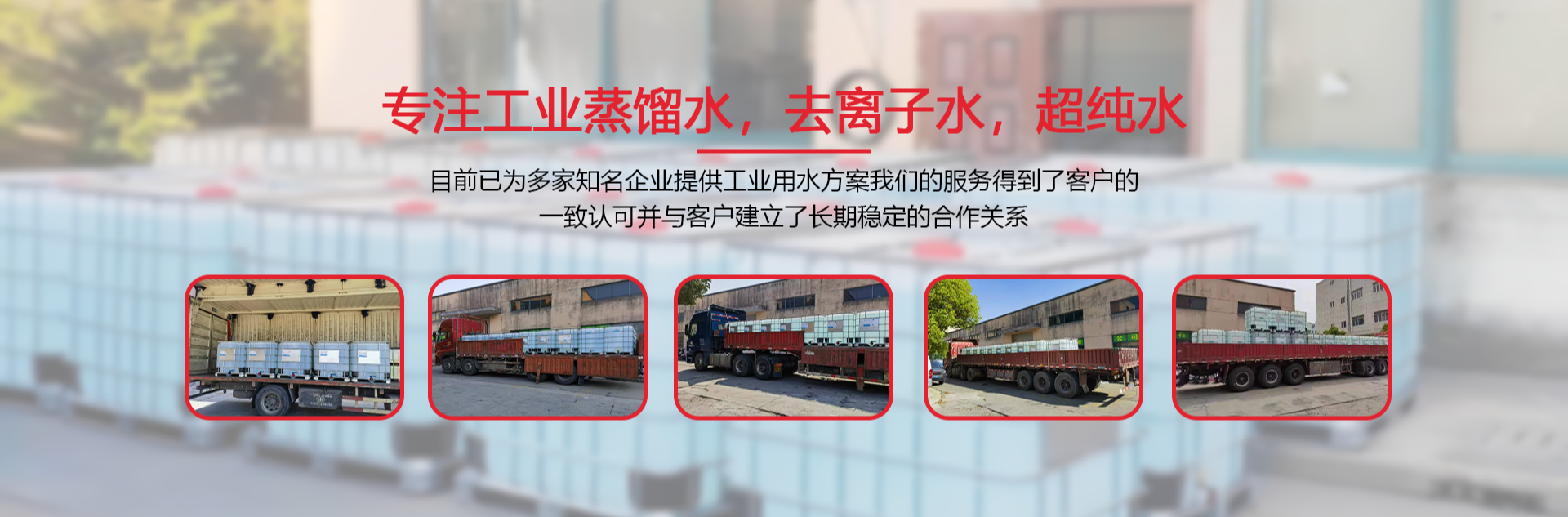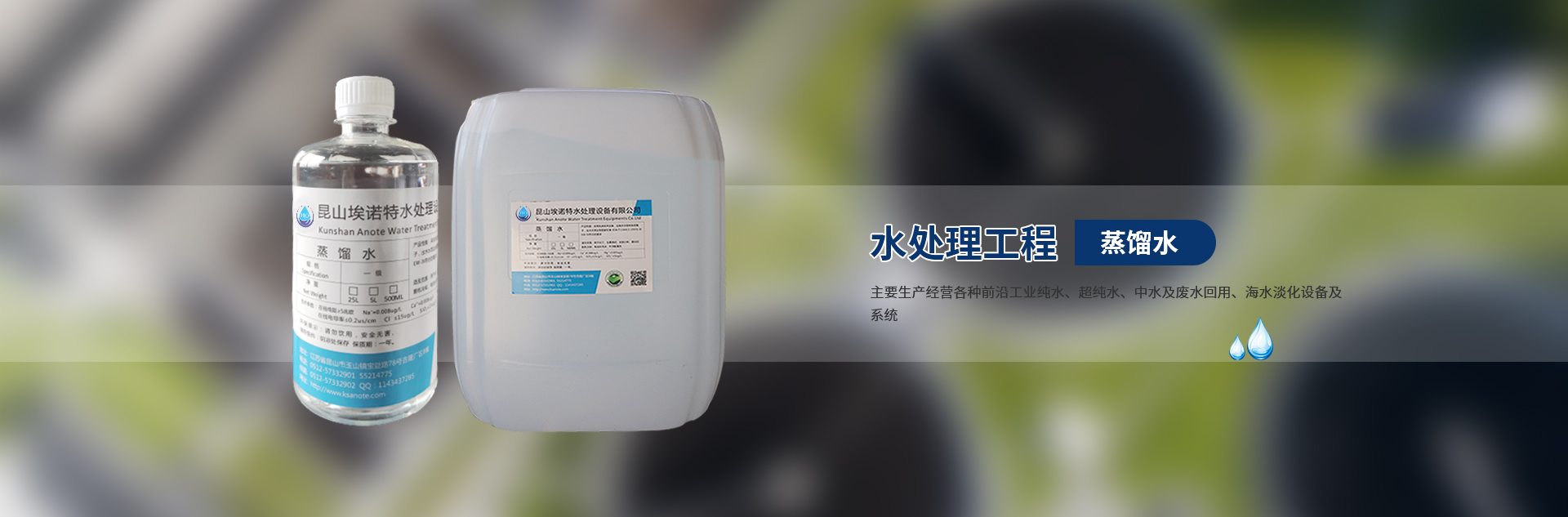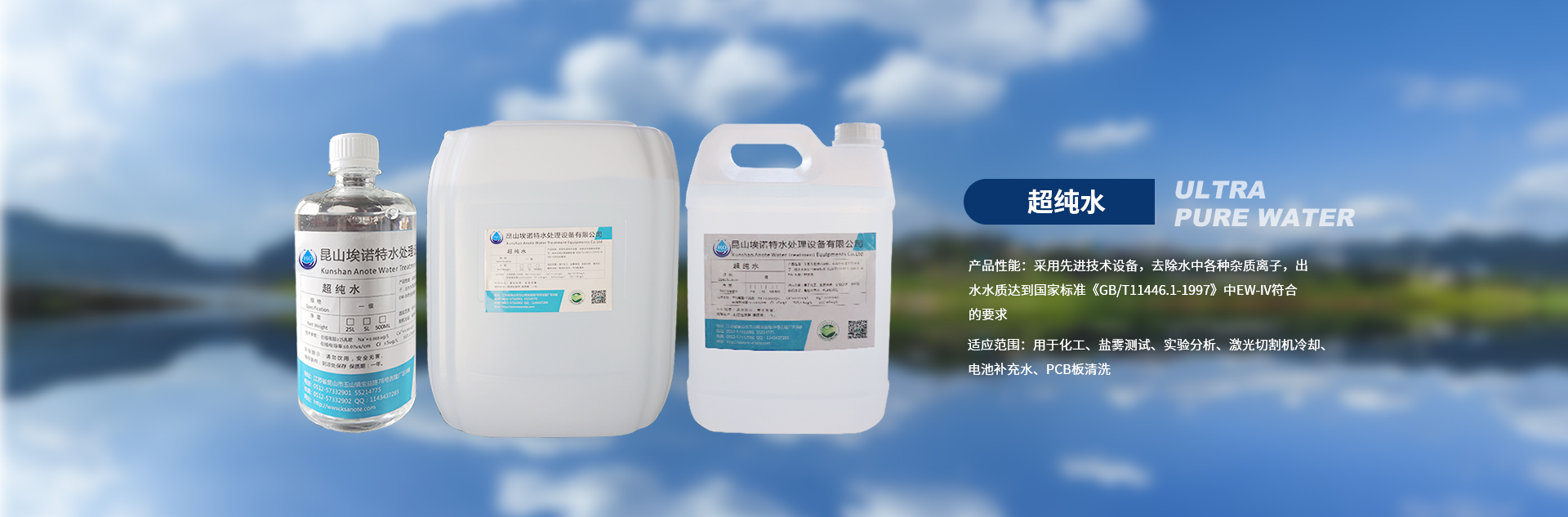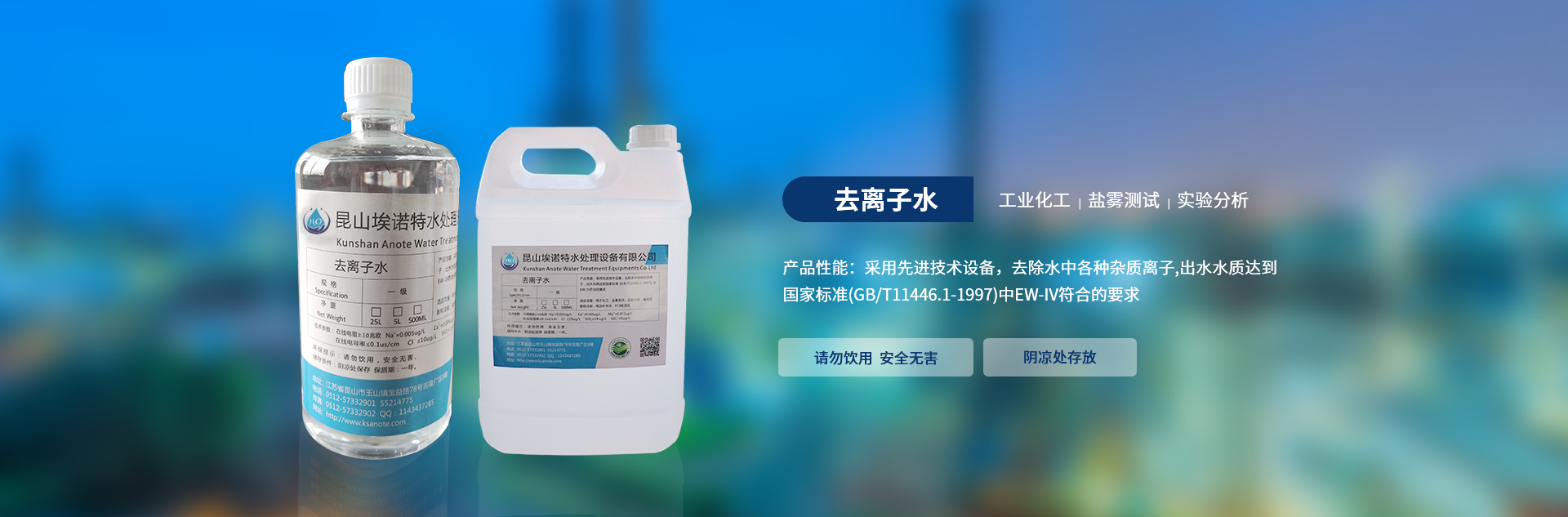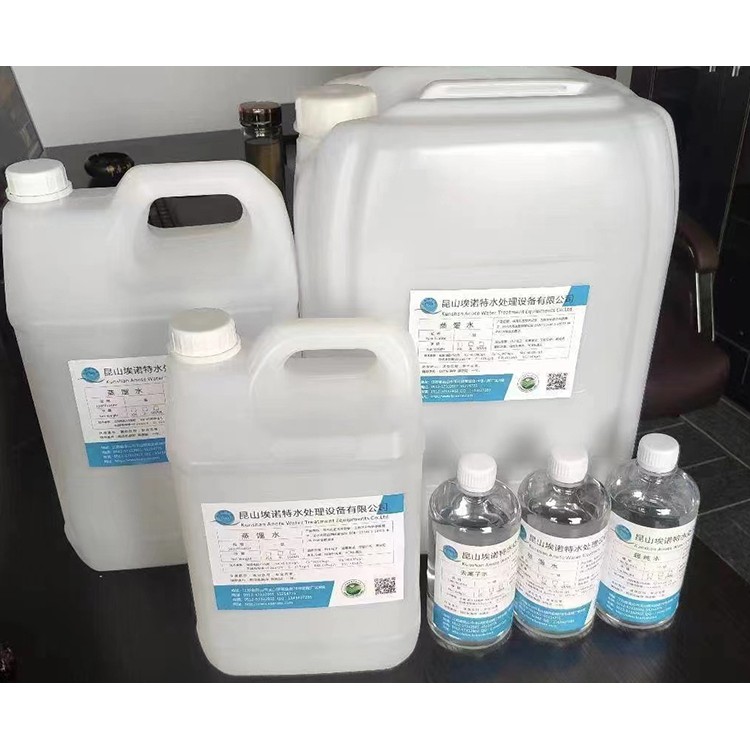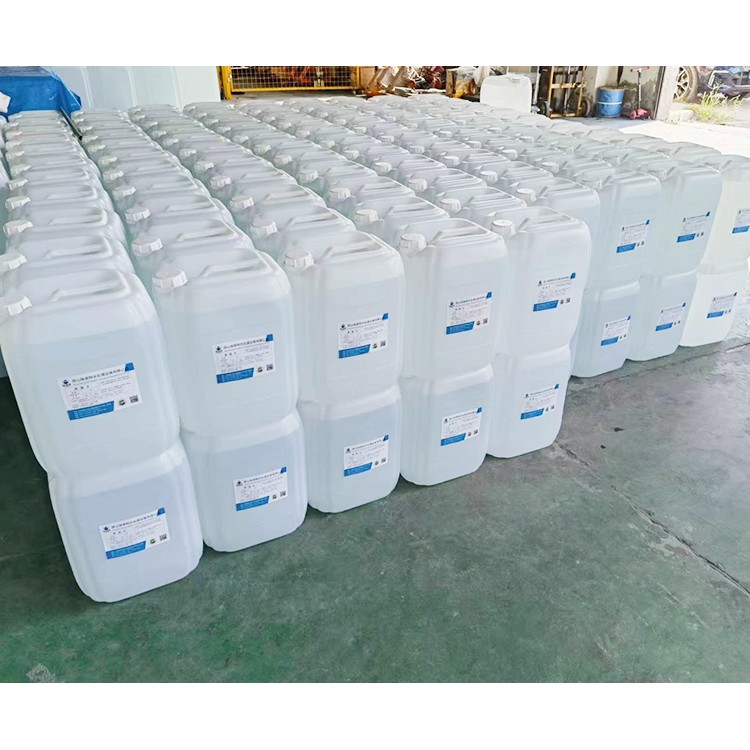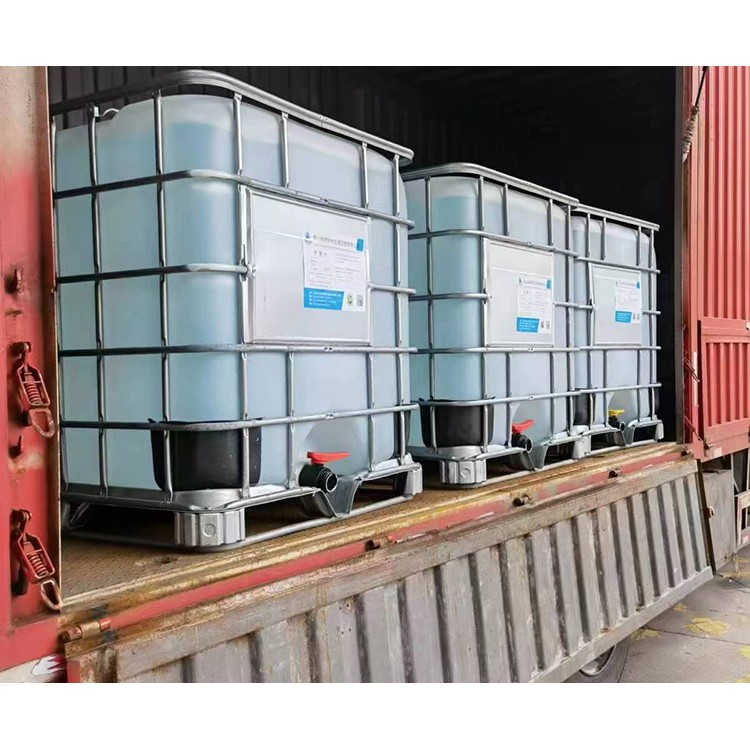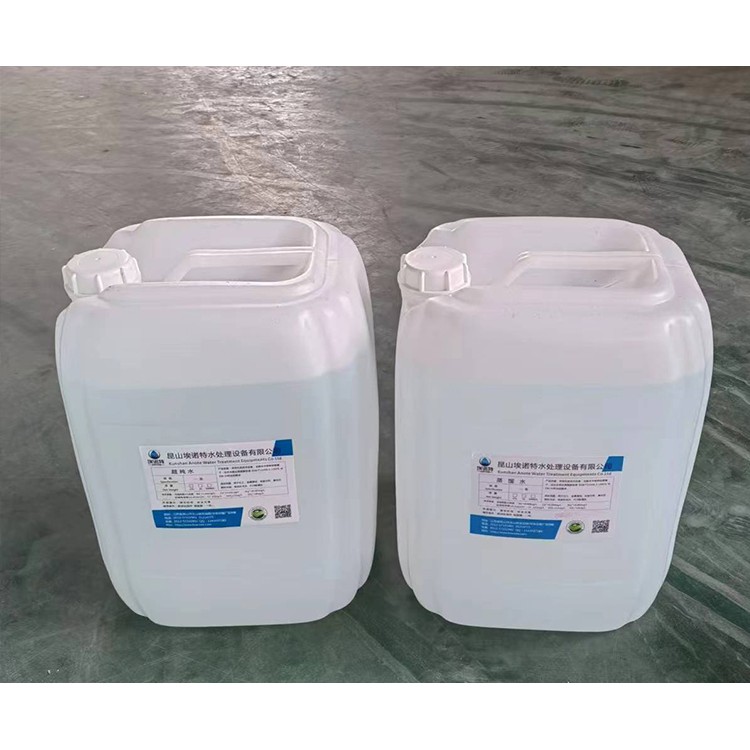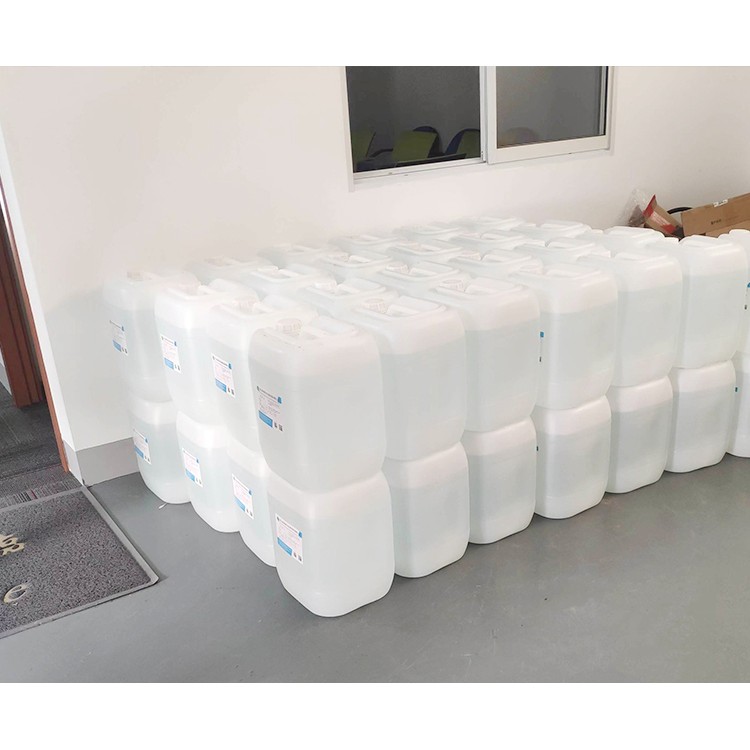

Key Equipment: Industrial Deionized Water, Distilled Wate...

Deionized water is water that has undergone deionization, a process that removes inorganic salts and electrolytes, resulting in pure water. Compared to regular tap water, deionized water is purer and cleaner, and thus it is widely used in laboratories, the electronics industry, and other fields. However, whether deionized water is environmentally friendly in everyday life is a highly debated issue.
Firstly, the production of deionized water consumes a significant amount of energy and resources. Typically produced through technologies like reverse osmosis, ion exchange, or membrane separation, these processes require substantial electricity and water supplies. Throughout production, wastewater and waste products are also emitted, contributing to environmental pollution. Furthermore, the production of deionized water generates greenhouse gases such as carbon dioxide, exacerbating global warming issues.
Furthermore, there are certain environmental risks associated with the use of deionized water. As deionized water removes beneficial minerals and trace elements from the water, long-term consumption may lead to a deficiency of essential nutrients in the human body. Additionally, if deionized water is not properly treated, it may contain trace amounts of harmful substances, which could potentially impact health over time.
However, despite certain environmental risks, demineralized water can also be environmentally friendly in some cases. For instance, in specific application fields where high purity of demineralized water is required, conventional tap water is insufficient. Utilizing demineralized water in such scenarios can reduce its negative impact on the environment while enhancing product quality.
Additionally, some deionized water manufacturers are actively exploring environmentally friendly production technologies and measures. They are employing more energy-efficient equipment and processes to reduce waste water and waste emissions, and to enhance resource utilization. Some factories also reduce the environmental impact of production by recycling and reusing waste water and materials.
Overall, as a special water treatment technology, the environmental impact of deionized water depends on the methods of production and use. To better protect the environment, it is necessary to strengthen supervision over the production and use processes of deionized water, promote environmentally friendly production technologies, and enhance resource utilization. Only then can we truly achieve the environmentally friendly goal of deionized water.
www.114global.com © Zhongshang 114 Hebei Network Technology Co., Ltd.Address: Room 6009, Oriental New World Center, No.118 East Zhongshan Road, Qiaoxi District, Shijiazhuang City, Hebei ProvincePlatform Service Hotline: 4006299930