
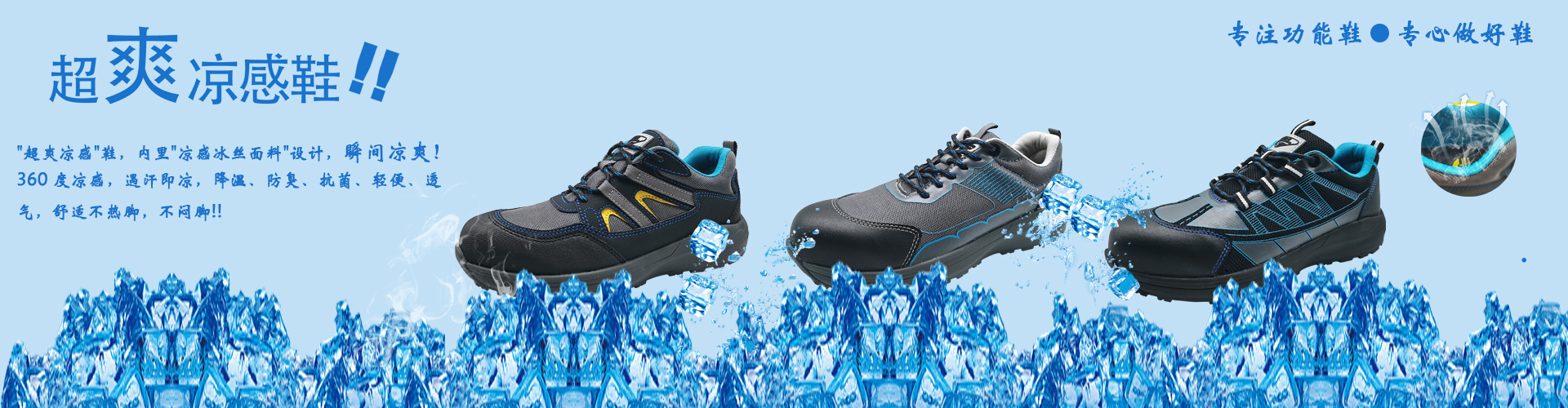
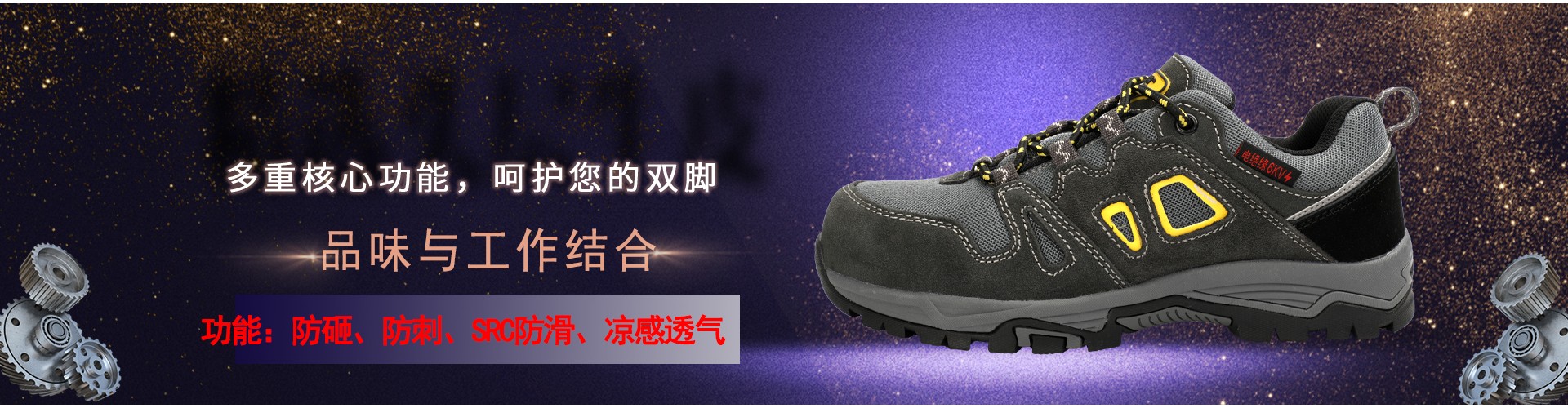
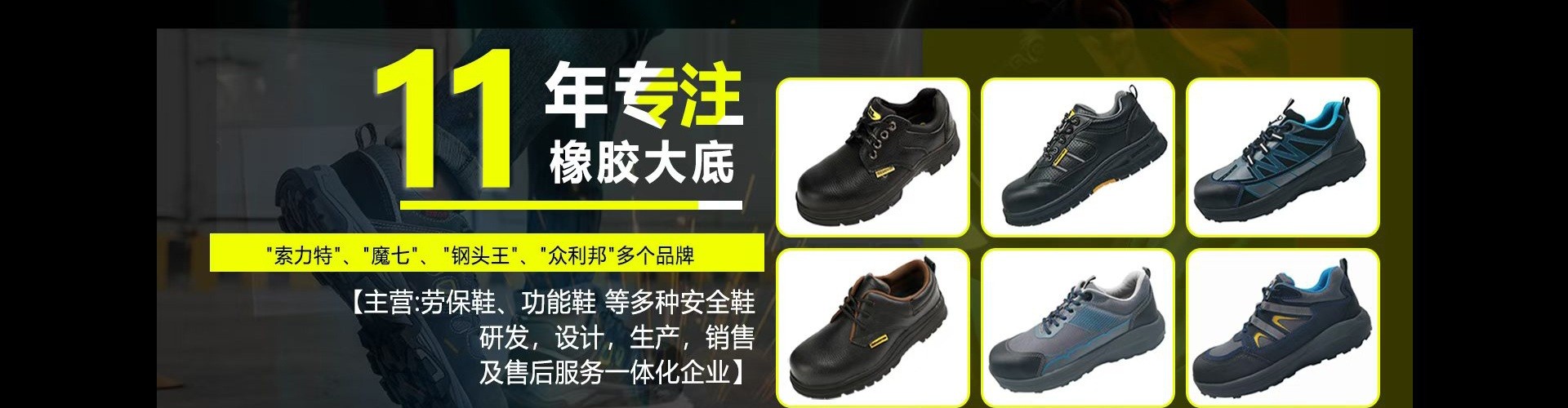

Safety shoes, a type of footwear designed to provide protection for the feet, are widely used in various workplaces. Their production and manufacturing are carried out to stringent standards. There are also certain guidelines for using safety shoes. Below, the safety shoe manufacturer shares these specifications.
Our safety shoes are categorized into several types: oil-resistant, static-proof, anti-collision, acid and alkali-resistant, non-slip, puncture-resistant, and more. Oil-resistant safety shoes are typically used in areas with accumulated or splashed oil on the ground, as these oily substances are highly slippery, thus preventing slip accidents. Additionally, there are waterproof and cold-resistant safety shoes. Waterproof shoes are used in work environments with standing water or splashed water, while cold-resistant shoes are designed for low-temperature work settings to protect against frostbite.
Protective steel-toe work boots are primarily designed for foot protection against piercing injuries from sharp, hard objects. The boots with impact-resistant materials at the toe area provide cushioning in case of heavy objects falling, safeguarding the feet from being crushed. In addition, steelmaking facilities have specialized work boots that prevent foot burns and piercing injuries, capable of withstanding certain temperatures and are flame-resistant.
The selection of safety shoes should be based on the nature and severity of the hazards in the work environment. Moreover, such protective products must have a product certification and a user manual. Safety shoe manufacturers remind everyone to read the instructions carefully before use, to understand the correct usage methods. For specialized safety shoes, it is important to inspect them after use and maintain cleanliness. They should be stored in a dry, pollution-free area.
News Center Co., Ltd.
