




 通过中商114认证

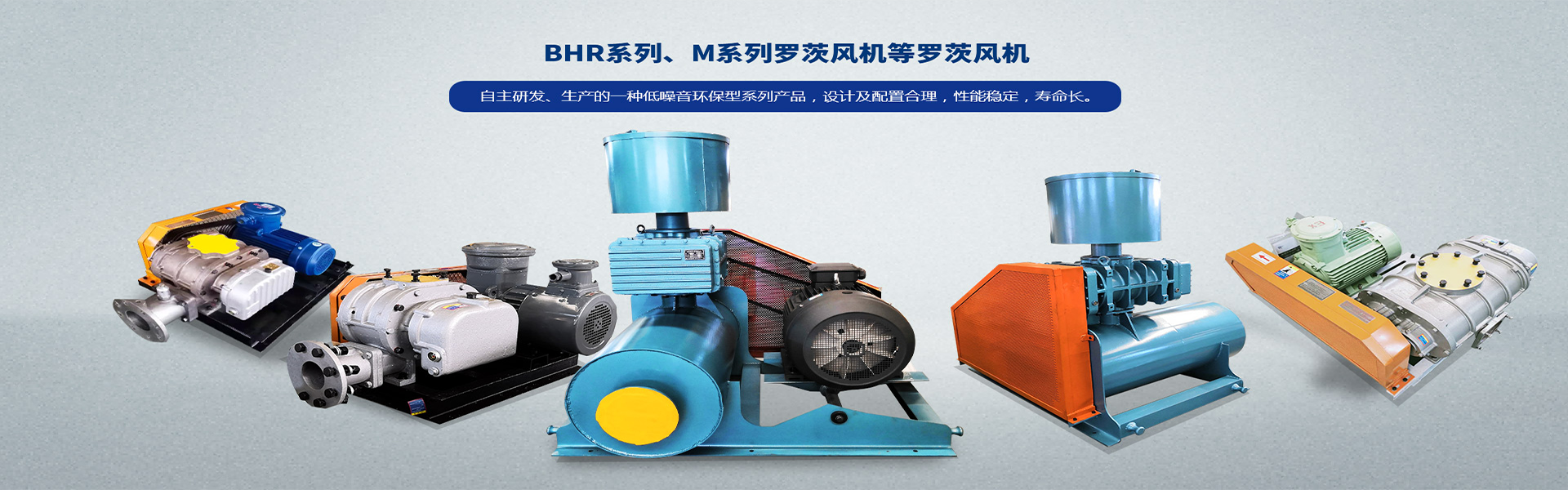
The Roots Blower is now widely used in fields such as ceramics and aquaculture, featuring the characteristics of a three-blade Roots blower. In an increasing number of industries, they have maximized the role of the three-blade impeller fan. The use of Roots blowers in wastewater treatment is a special model. Currently, water treatment remains a challenge. Given the difficulty faced by many manufacturers in handling wastewater, the use of three-blade Roots blowers has been improved. Modifications have been made to the three-blade Roots blowers currently used by manufacturers, with some having undergone steam treatment. To put it simply, water often appears in certain situations, causing adverse effects on non-slip surfaces and bringing about many troubles in our lives.
Therefore, some three-blade root fans have been modified and their application scenarios have been changed. Additionally, most three-blade root fans are upright. To better accommodate wind direction areas on the ground, a horizontal three-blade root blower was designed. This increases the ground's wind-receiving area significantly. It is highly effective. The drying speed through the ground-level three-blade root fans is very fast, and they can also handle odors. Two water tanks above each root blower hold water and gear oil for maintaining the blower. Don't underestimate the gear oil. It weighs less than 5% of the root blower but accounts for 60% of its function. It lubricates the gears. If the gears are problematic, the root blower will not rotate. Each root blower is equipped with a grease inlet for adding lubricant during maintenance. Without oil lubrication, the bearings will wear severely, affecting factory output and increasing corporate costs.
Many friends are not well-versed in the pressure of Roots blowers. We should first understand these issues. Roots blowers are a type of volumetric rotary blower, so the front pipe pressure is the pressure of the Roots blower, as indicated by the pressure gauge. Generally speaking, the pressure of the Roots blower actually refers to its compression capacity. In other words, Roots blowers can withstand immense pressure. When they cannot bear a certain pressure value, Roots blowers will reverse, leading to motor burnout. As mentioned above, increasing the pressure of the Roots blower essentially means enhancing its compression capacity. How can we improve the pressure resistance of the Roots blower?
1. Replacing the motor is a direct approach. With the same pressure head, substituting a motor with higher power will directly enhance the compression capability of the Roots blower, which is also a method that does not alter the pressure head of the Roots blower.
In cases of specific pressure, if the parameters of the fan exceed the limit, a larger-sized Roots blower can be used directly to address excessive pipeline pressure.
3. Adjusting the speed of the Roots blower only alters the air volume, with no effect on pressure increase.
4. Changing the belt pulley is a method to alter the speed of the Roots blower, thus increasing pressure is not feasible.
