
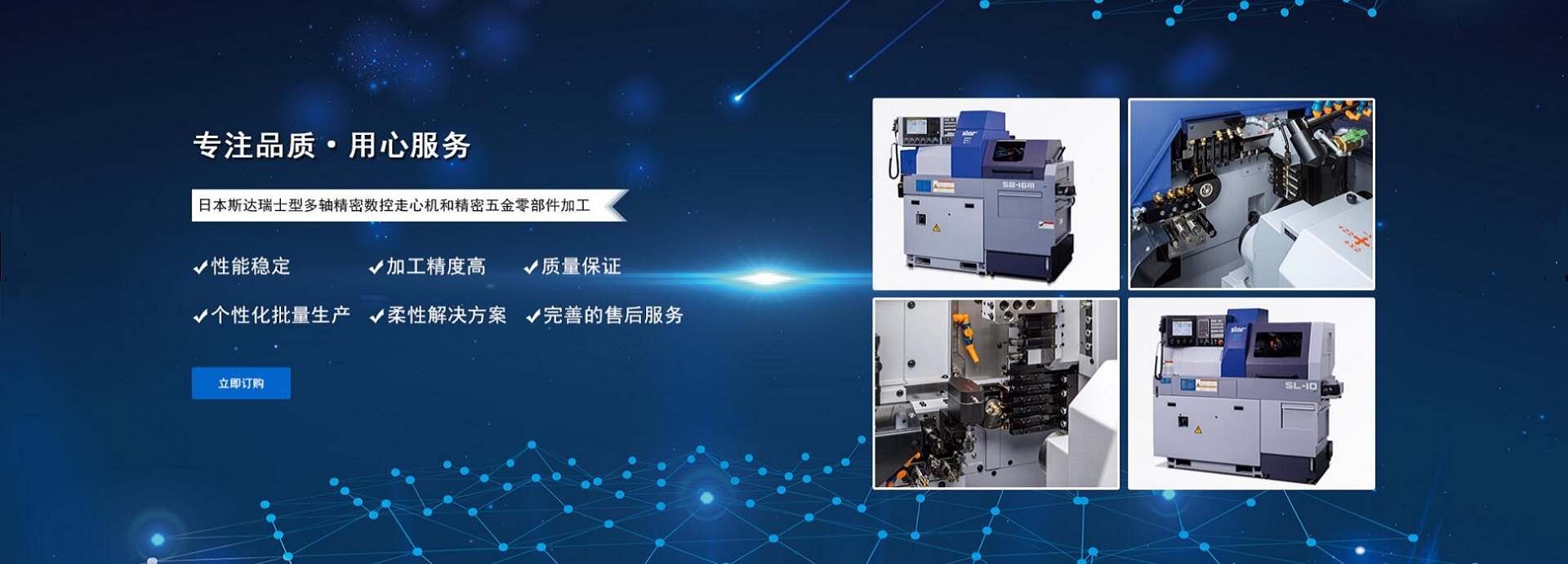

As the industrialization process continues to evolve and expand, driven by the urgent market demands, it is gradually being applied in the processing of civilian products. It belongs to precision processing equipment and can complete the processing in one go simultaneously.Composite processing including turning, milling, drilling, boring, and threading, mainly used for mass production of special-shaped, non-standard shaft components.
The rigidity of CNC turning machines refers to the vibration generated during the processing of products; high rigidity results in less vibration, while low rigidity leads to more vibration. The bed and transmission system of the machine tool directly affect the overall rigidity of the machine. Different levels of rigidity in machine tools significantly impact the selection and wear of cutting tools during product processing, as well as directly affecting production efficiency and costs. The inspection of CNC turning machines can be approached from the following five aspects:
Regular inspections of all parts of the five-axis machine are required, including the hydraulic, lubrication, and cooling systems, among others.
2. Regular maintenance and inspections of the buttons and switches on the machine are necessary to identify and eliminate potential hazards in a timely manner.
3. Regular inspections of the belt's wear and tension, ensuring the lubricant is clean and free of debris, and checking for wear on easily damaged parts, including contactors.Relays and other components must be inspected.
4. The heat dissipation and ventilation system needs to be inspected; if not regularly checked, it may lead to improper operation of the device, potentially causing excessively high temperatures in certain areas.A series of failures have occurred, including deterioration of the working environment for electrical components.
5. Review various additives to ensure they remain within the normal scale, such as common lubricants and coolants, to guarantee adequate additive levels.
We hope the above content helps you better understand this equipment, and we welcome you to continue following our site. The editor will regularly bring you more product knowledge introductions.
News Center Co., Ltd.
