
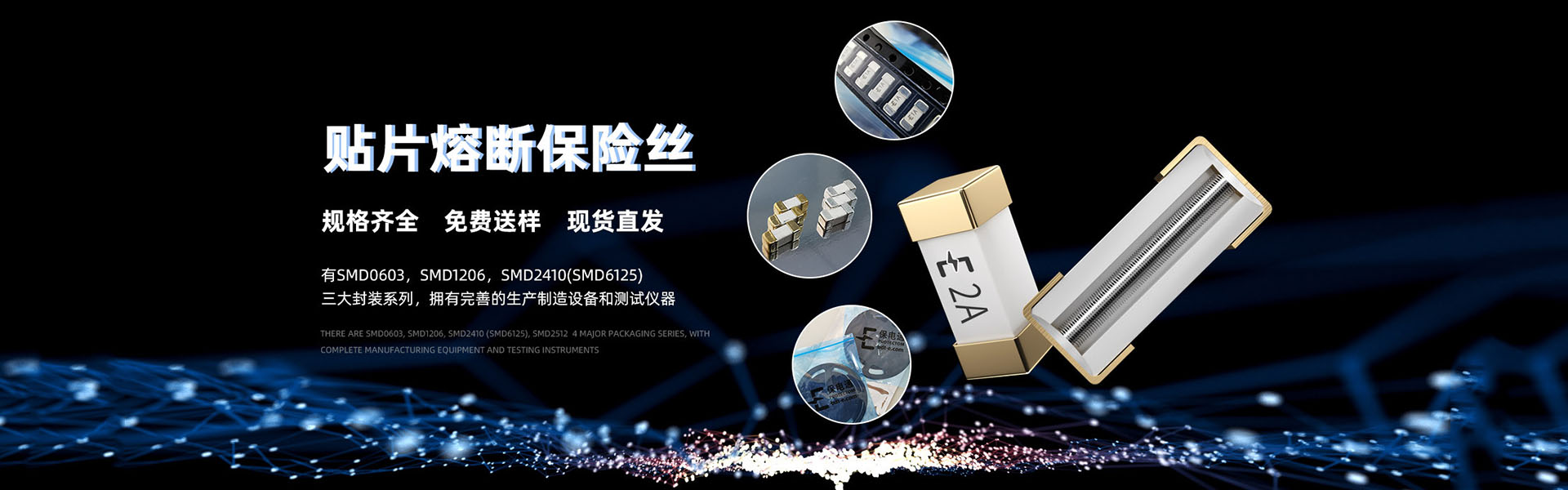
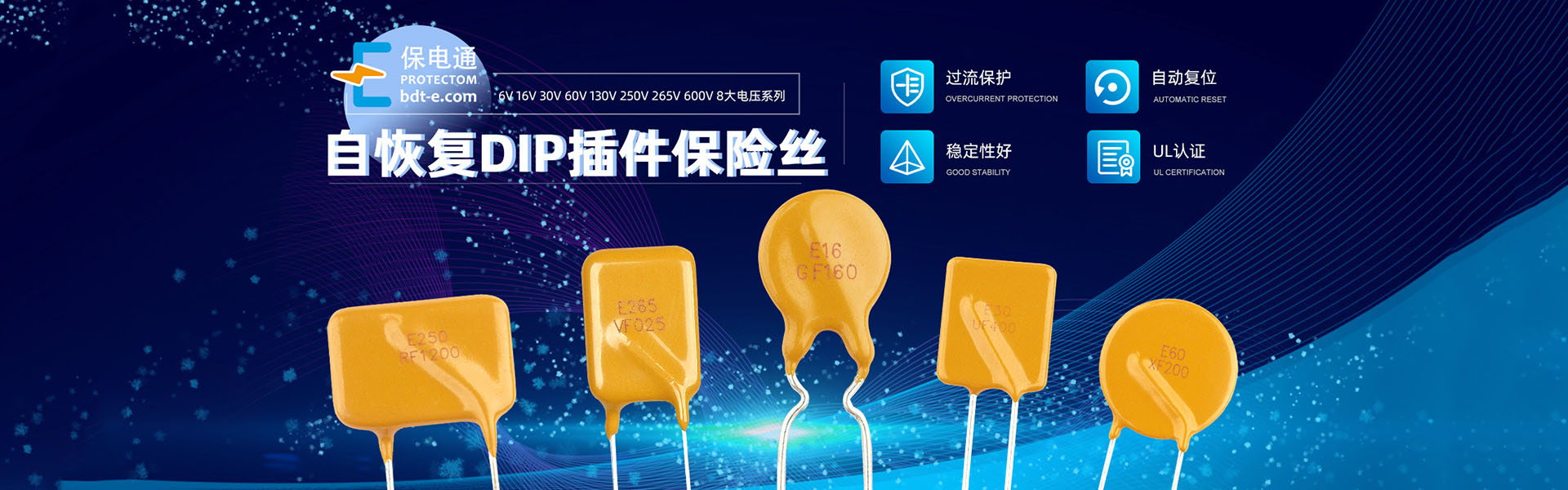
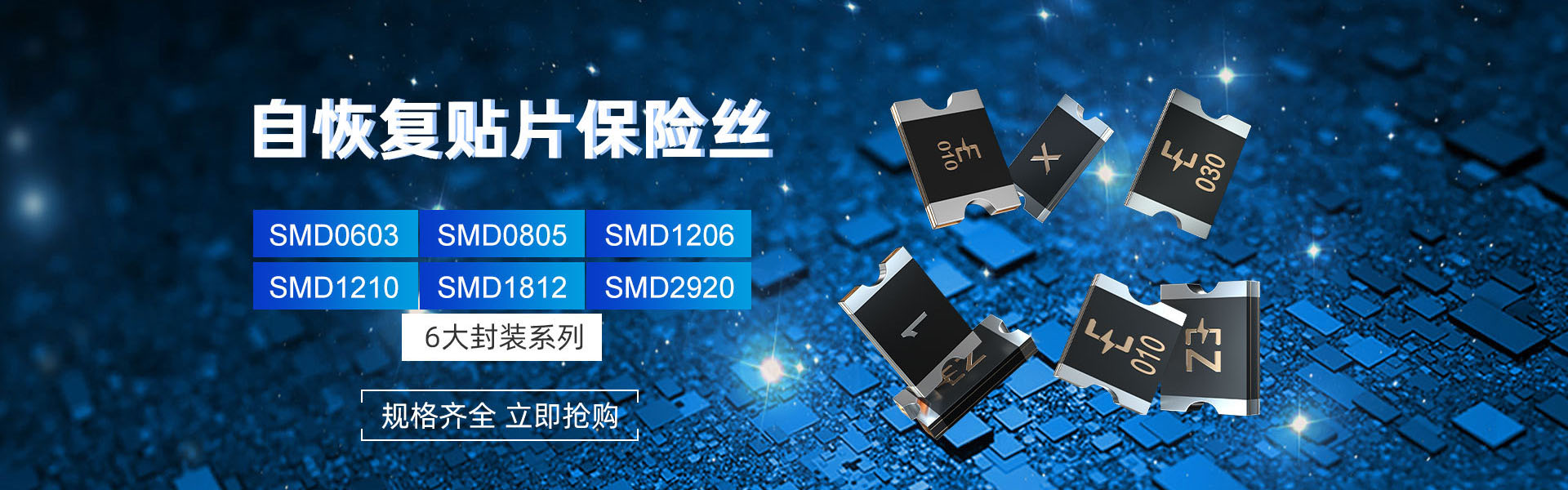

As electronic components become miniaturized and surface-mounted, so do fuse links, leading to the widespread application of surface mount fuses. They have already proven their worth in overcurrent protection for computer interfaces, peripherals, flat-panel TVs, smartphones, automotive electronic circuits, and battery packs. Beyond the traditional blow-fuse types, the rise of PPTC resettable fuses (polymer positive temperature coefficient thermistors) in recent years has brought a new dimension to the protection of IT equipment.
Similar to surface mount diodes, transistors, and ICs, there is currently no unified standardization method for surface mount fuses, resulting in varied codes used by different manufacturers. Sometimes, even the same manufacturer uses the same code (across different series) to represent different rated currents. There are also some peculiar codes that are difficult to identify, unnecessarily complicating the process of maintenance and replacement.
Identifying Common Fuse-Type SMD Fuses
Thermal fuse SMD fuses (SMD fuse links) essentially function like conventional fuses, operating normally under rated current (when the circuit is normal). They will blow when the circuit faults and the current reaches or exceeds the breaking current value, preventing further damage and protecting the circuit. Fuses (fuses links) are categorized by their breaking speed into five types: ultra-slow-blow fuses (usually represented by TT), slow-blow fuses (usually represented by T), medium-blow fuses (usually represented by M), fast-blow fuses (represented by F), and ultra-fast-blow fuses (usually represented by FF). They are also divided into low breaking capacity (L) and high breaking capacity (H) types based on the breaking current size. The marking methods for thermal fuse SMD fuses generally include direct marking and code marking, with code marking further divided into alphanumeric marking and graphic marking.
Direct Labeling Method
Surface-mount fuses have their main characteristic parameters directly marked on the component's front, a method known as direct marking, abbreviated as DM. DM is typically used for slightly larger "square-head" porcelain tube fuses and rectangular plastic-encapsulated surface-mount fuses.
2. Code Identification Method
Code marking is generally used for small-sized surface mount components. Due to the limitations of the component's surface area, it is not convenient to use the direct marking method, and only one or a few simple symbols (letters, numbers, or geometric shapes) can be printed on the front of the component. Code marking is further divided into alphanumeric marking and graphic marking. Since there is no unified code formulation standard at present, different manufacturers may use the same code to represent different rated currents, which undoubtedly increases the difficulty of solving the problem. As for the rated voltage and other parameters and characteristics, they cannot be obtained directly from the code. If it is a new product purchased, you can ask the supplier to provide the parameters or relevant documents. If it is an insurance on a repair board, you can roughly estimate the rated voltage based on the actual working voltage of that part of the circuit. Another method is to judge the manufacturer and product line based on its appearance, size, color, and code type and arrangement, and then search for detailed product information. However, there is another method that requires a good understanding of the manufacturer and product series of the surface mount fuses. Beginners must practice repeatedly and summarize to master it.
