






A high-temperature vacuum furnace is a highly specialized piece of equipment, widely utilized in material science, chemistry, physics, and numerous industrial fields. It is particularly important in scenarios where precise control of reactions or processing environments is required to meet specific material performance standards.
Introduction to the Main Industrial Applications of High-Temperature Vacuum Furnaces:
Material Synthesis and PreparationIn the semiconductor industry, high-temperature vacuum furnaces are used in processes such as crystal growth and epitaxial growth, for doping and annealing of silicon wafers, which are crucial steps in the manufacturing of integrated circuits. They are also employed in the synthesis of new materials in fields like nanomaterials, photovoltaic materials, and magnetic materials, such as carbon nanotubes, quantum dots, and oxide films.
Heat Treatment and SinteringHeat treatment under high-temperature vacuum conditions can reduce oxidation and decarburization of metal components, enhancing their mechanical properties and corrosion resistance. For sintering materials like ceramics and hard alloys, the vacuum environment aids in excluding impurities, resulting in purer and denser products.
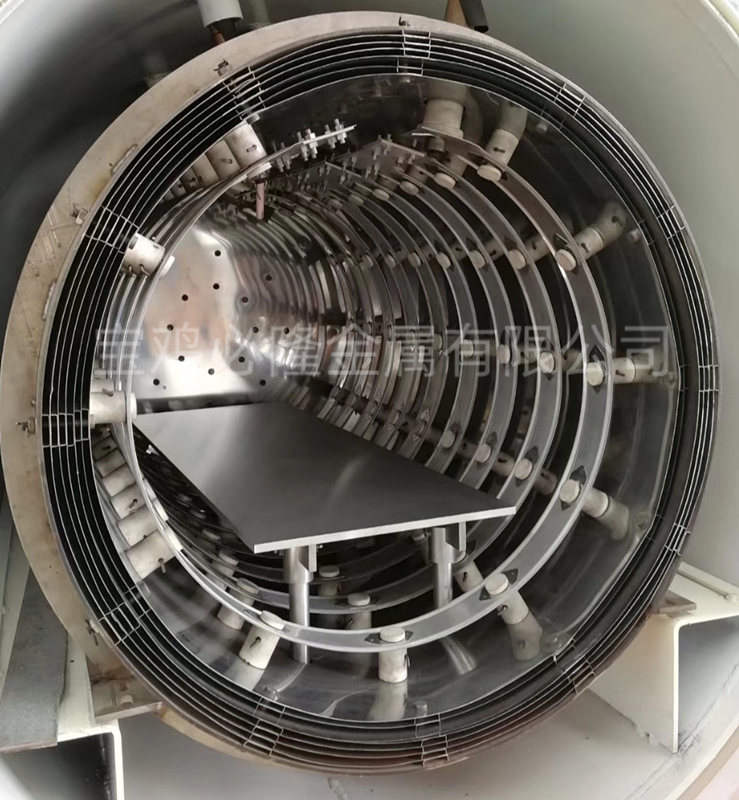
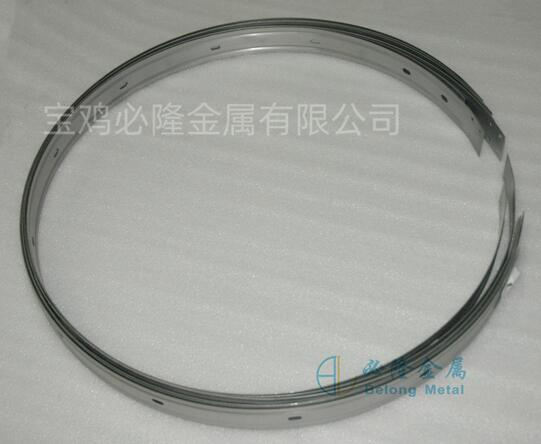

CVD (Chemical Vapor Deposition) and PVD (Physical Vapor Deposition)In the manufacturing of high-performance coatings and films, a high-temperature vacuum furnace provides an ideal oxygen-free environment for depositing various functional films, such as abrasion-resistant, corrosion-resistant, optical, or electronic films.
Vacuum Annealing and TemperingThese processes enhance the microstructure of metals and alloys, improving their mechanical properties, while avoiding oxidation issues that can arise during conventional annealing in atmospheric conditions.
Purification and De-gassingHeating under high vacuum conditions effectively removes volatile impurities and gases from materials, such as the purification of high-purity metals like titanium and niobium, as well as degassing treatments for electronic devices.
Scientific ResearchIn universities and research institutions, high-temperature vacuum furnaces are utilized for a variety of fundamental scientific research, including the exploration of new materials, catalytic reaction studies, and simulation experiments in earth and planetary sciences.
Biological Materials ApplicationsIn the field of biology, it can be used for the surface modification of medical implants, such as enhancing biocompatibility or antibacterial properties through coatings.
The features of high-temperature vacuum furnaces include balanced temperature field, low surface temperature, rapid heating and cooling capabilities, and energy-saving efficiency. They are typically equipped with advanced control systems, such as multi-zone programmable temperature control systems, as well as precise vacuum and gas control systems, ensuring high controllability and reproducibility in experimental or production processes.
