
日期:2024-10-27 浏览:101

Lightweight aggregate concrete is different from foamed concrete.
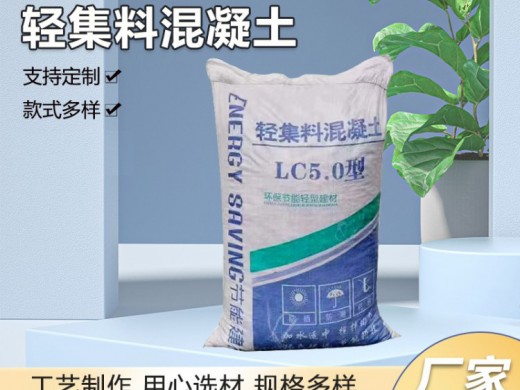
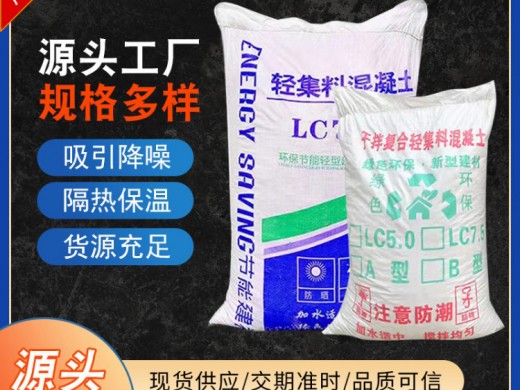
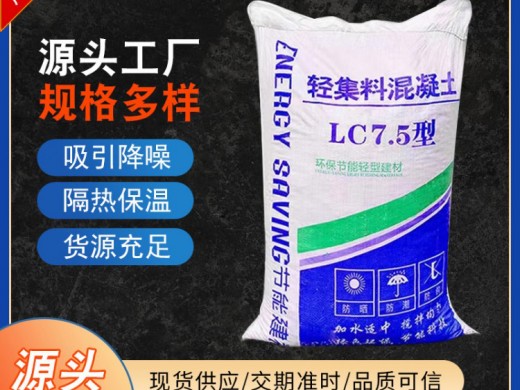
Lightweight concrete and foamed concrete, although both belong to lightweight concrete, have significant differences in material, performance, and applications. Lightweight concrete uses lighter aggregates (such as expanded clay beads, expanded perlite, etc.) instead of ordinary sand and stone aggregates, thus featuring light self-weight, good thermal insulation and fire resistance. Its specific gravity is typically between 800 to 1400 kg/m³, with high strength and a low thermal conductivity. In contrast, foamed concrete is produced by introducing a large number of bubbles into the concrete through physical or chemical foaming methods, resulting in a lighter specific gravity and lower thermal conductivity. The specific gravity of foamed concrete is usually below 600 kg/m³, suitable for applications requiring lighter materials.
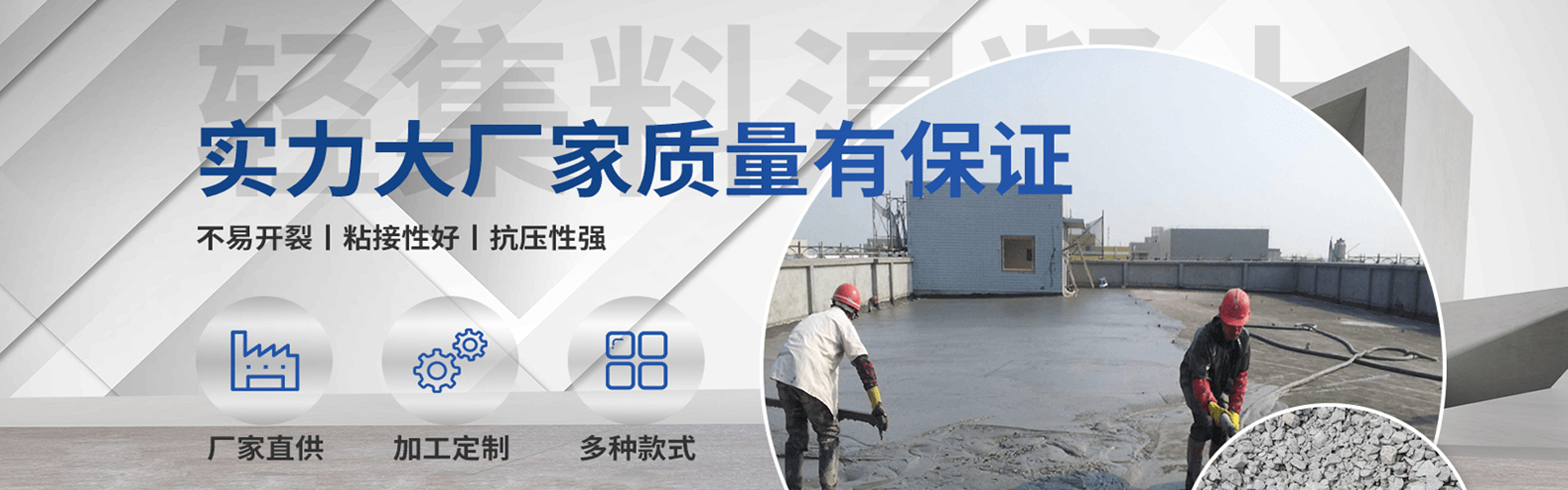
In addition, there are also differences in the construction methods for lightweight aggregate concrete and foamed concrete. The construction of lightweight aggregate concrete primarily focuses on base treatment and pre-casting preparations, whereas the construction of foamed concrete relies on its unique foaming technology to introduce bubbles, with the aim of reducing weight and improving thermal insulation properties.
In summary, while lightweight concrete and foamed concrete both fall under the category of lightweight concrete, they exhibit distinct differences in material, performance, construction methods, and application areas.