
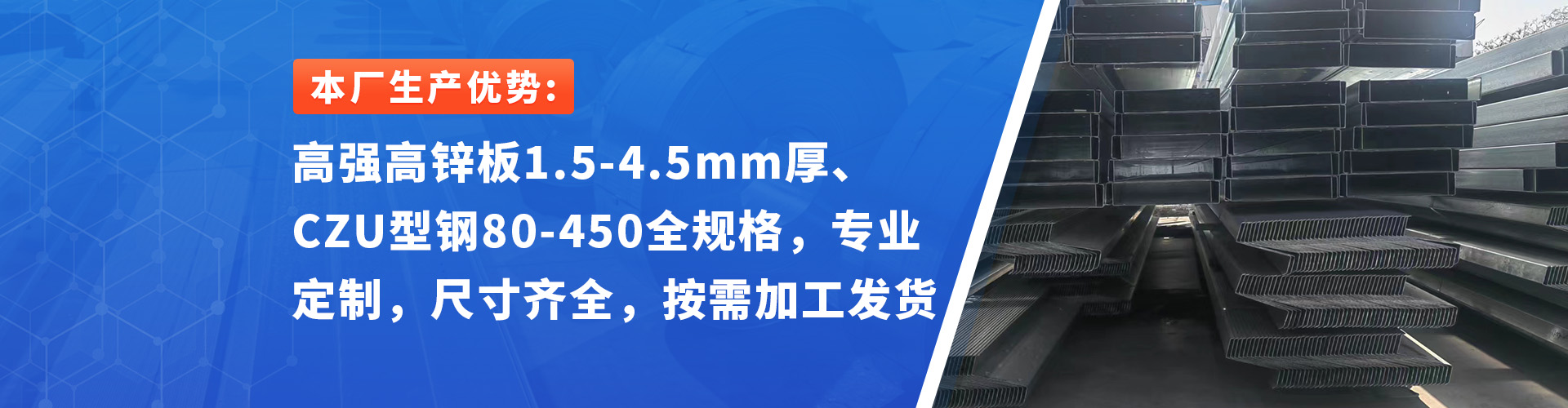
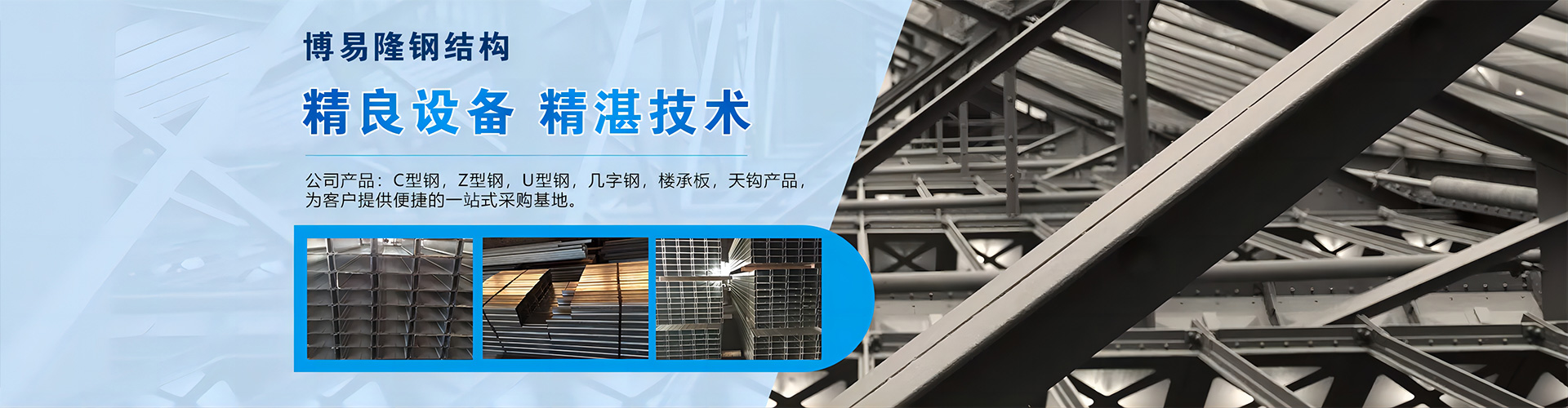

C-channel steel typically refers to a high-strength, lightweight, and waterproof C-channel. Cold-formed steel is a finished steel product with various cross-sectional shapes, formed by bending steel plates or strips under cold conditions. Cold-formed steel is an economical, lightweight, thick-walled steel, also known as cold-formed steel sections or cold-formed shapes. Channel steel is a strip steel with a certain cross-sectional shape and specification, one of the four types of steel. According to the cross-sectional shape, channel steel is divided into simple-section channel steel and complex-section channel steel. Tianjin C-channel steel is automatically processed by the Tianjin C-channel forming machine. The forming process of Tianjin C-channel steel can be automatically executed based on the provided specifications.
1. The inner diameter of the counterfeit steel fluctuates significantly due to unstable steel temperature, uneven composition, large spring tension in the rolling machine, simple equipment, and low basic strength. The diameter variations within the same week are substantial, with uneven reinforcement, making it prone to cracking.
The trademark and printing for high-quality materials are relatively standardized.
3.3 The steel hole diameter exceeds 6 screws, and the distance between 2 markings is over 1 meter.
The longitudinal steel of counterfeit rebar often exhibits a wavy pattern.
5. Counterfeit steel products feature loose packaging due to the absence of driving, with an oval shape on the side.
Fake steel lacks the metallic texture and has a reddish hue or resembles cast iron due to two reasons.
1. The gap is filled with adobe. 2. The cold rolling temperature of counterfeit materials is not standardized; the steel temperature is estimated for detection, and it cannot be cold rolled according to the specified martensite area, resulting in steel properties that do not meet the standard.
Figure 7: The transverse reinforcing bars of the fake and inferior steel are thin and low, prone to filling issues. The reason is that a larger negative tolerance needs to be achieved, resulting in a high impact on the finished product, slightly lower iron shape, and slightly lower plate holes.
