
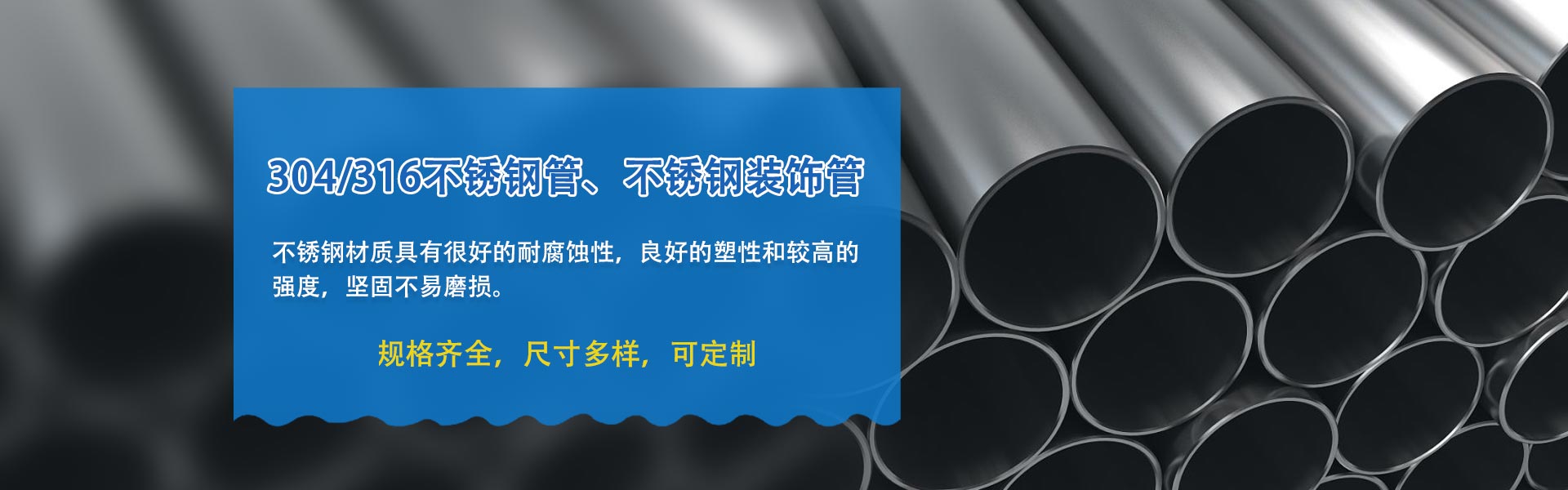

304 and 316 stainless steel tubes look very similar and are often hard to distinguish with the naked eye. However, the differences in function and application between 304 and 316 stainless steel can sometimes be significant.
304 and 316 stainless steels share similar chemical and mechanical properties, primarily due to their high content of chromium and nickel, which grants them excellent heat resistance, wear resistance, and corrosion resistance. Not only are pipes made from these stainless steels corrosion-resistant, but the finished products also boast a clean and tidy appearance.
Both of these stainless steels have wide applications across various industries. 304 stainless steel tubes, known for their durability and ease of forming into shapes like strips, sheets, and tubes, can withstand strong cleaning chemicals without corrosion.
304 stainless steel pipes are widely used in industries, kitchen equipment, and the food industry. For example: stainless steel cookware, trays, tools, elevators, bathroom partitions, vibrating screens, and more.
The chemical composition of 316 stainless steel pipe consists of 16% chromium, 10% nickel, and 2% molybdenum, which is the primary distinction between 304 and 316 stainless steel pipes. The increased nickel content and the addition of molybdenum make 316 stainless steel pipe more expensive than 304 stainless steel pipe.
Molybdenum makes 316 stainless steel pipes more resistant to chemical, salt, and marine environments erosion than similar alloys, making it one of the primary metals in marine environments. Due to the superior corrosion resistance and durability of 316 stainless steel pipes, they are the choice of high-end manufacturers. For example, in fields such as boilers, water heaters, marine components, ladders, wire ropes, equipment, and chemical processing equipment.
In fact, 304 and 316 stainless steel pipes are interchangeable in many applications. If your products are frequently exposed to chemicals or marine environments, 316 is the better choice. If strong corrosion resistance isn't necessary, 304 is a more practical and cost-effective option.
