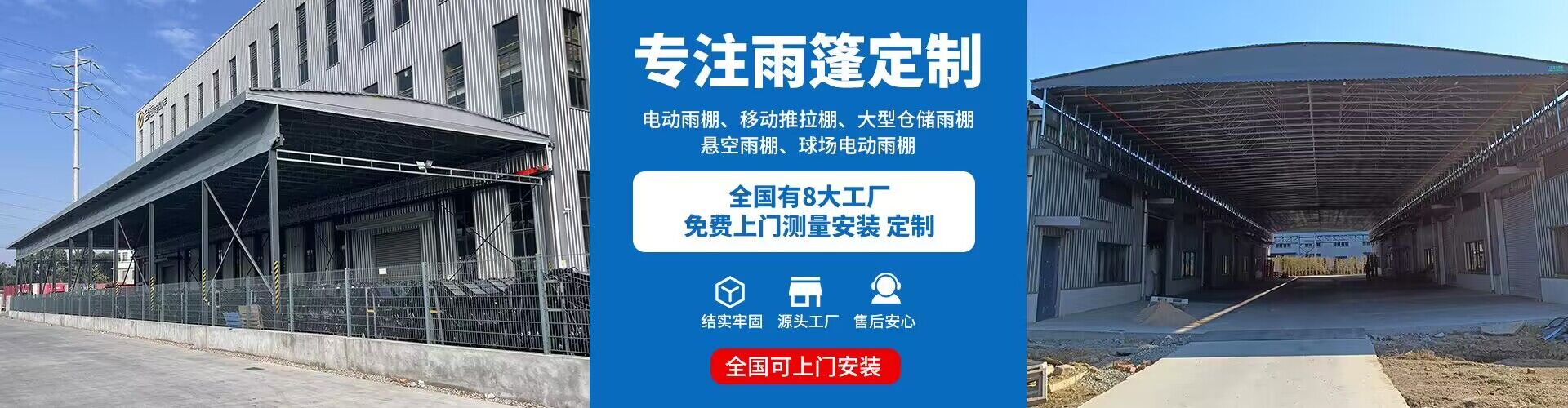
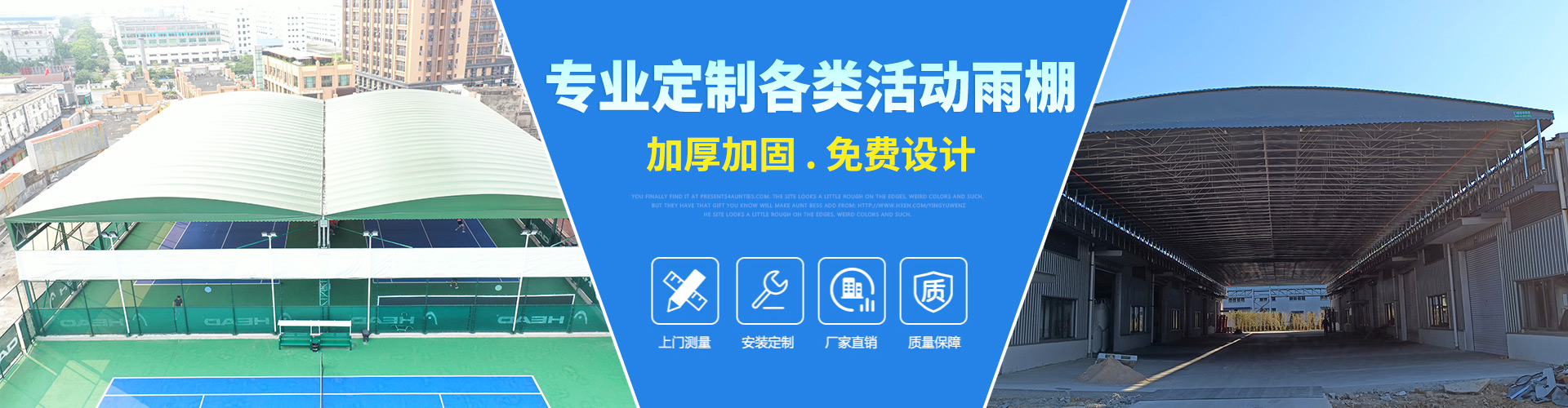
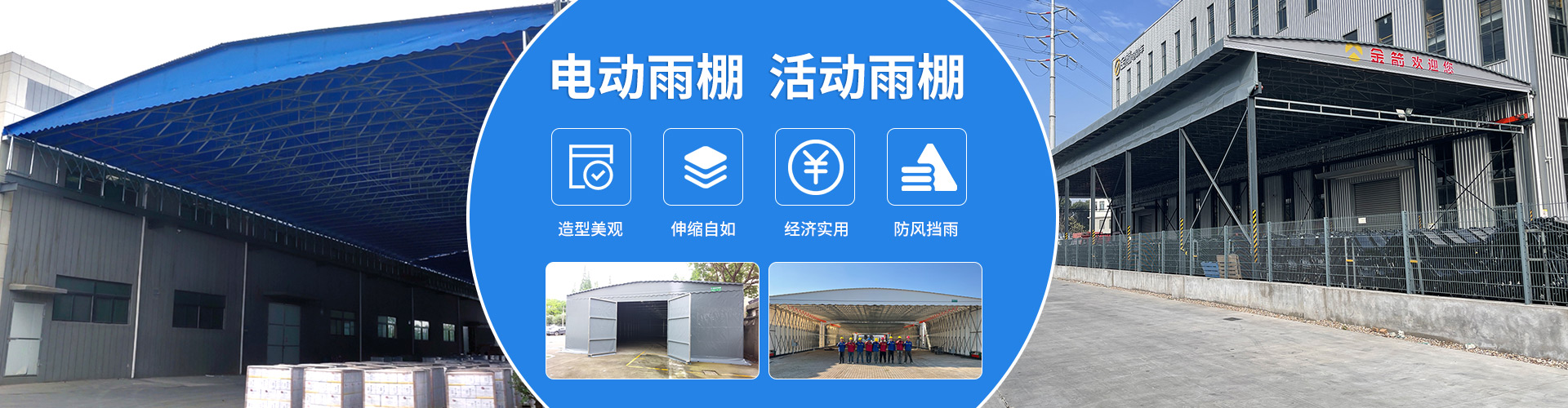
How much wind can a retractable awning withstand? This is a question worth considering, and it has always been within the scope of factors we take into account during our design and production. For outdoor sunshade and rain protection tools, in addition to sun protection and waterproof functions, a crucial requirement is wind resistance, especially for coastal areas where typhoons of various sizes frequently occur. This poses a challenge for retractable awnings placed outdoors.
In a nutshell, a retracted retractable canopy is naturally resistant to any typhoon, so there's no need to worry about withstanding several levels of typhoon strength. Now, what about a canopy that is fully extended and in use? In such cases, we recommend securing the canopy during a typhoon, such as by using chains to tie the canopy's four corners to the upright posts and then anchoring them to the ground or a wall. This will withstand typhoons with wind speeds of 6-7 levels. For higher-grade typhoons, it's advisable to retract the canopy or use vehicles to block the canopy's entrances and exits.

1. The two pillars are a crucial aspect of the canopy design. Simply put, the two pillars serve as the support points for the entire canopy, and their stability and durability are key. Wanda Canopy Industry uses galvanized steel pipes, with a minimum size of 60*601.2mm or 75*751.2mm, depending on the overall dimensions of the sliding canopy. Additionally, for safety reasons, no pillars are needed within a span of 18 meters, ensuring there are no safety concerns.
2. The main frame and crossbeam, the key components of the sliding canopy, are the main points of force. They are specifications of galvanized square tube 40*40x1.2mm, with the main frame's curved tube starting from 40*20x1.2mm galvanized flat tube or 50*50x1.2mm. The number of 6-degree diagonal supports is added as needed.
3. The scissor brackets between the uprights are **, and the distance between the uprights is generally around 1.3 meters, not exceeding 1.5 meters. Whether to add scissor brackets between the main beams depends on the span; typically, scissor brackets are recommended for spans over 7 meters for stability and wind resistance.
4. Canopies provide sun and water protection while also needing to be wind-resistant; poor quality ones can tear apart with a single gust. We use reinforced PVC帆布, starting at a standard thickness of 0.55mm, offering sun and rain protection with no creases upon folding, and is sturdy.