
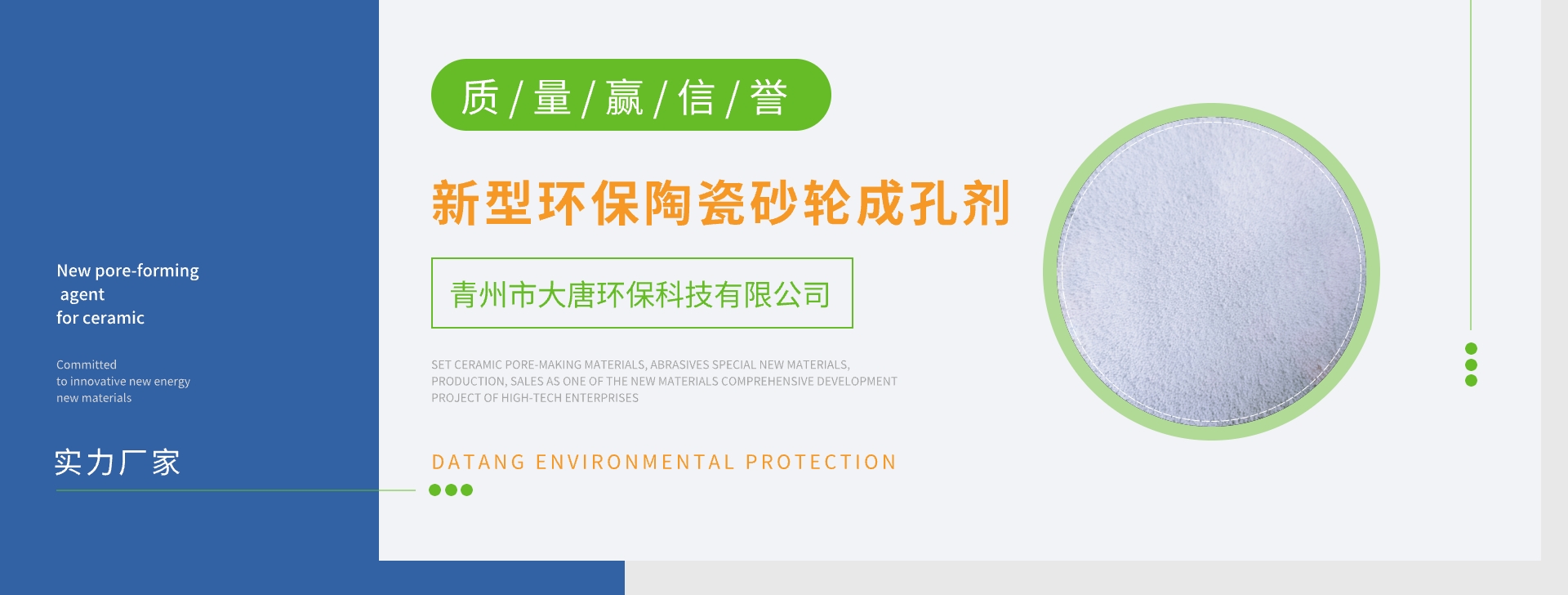
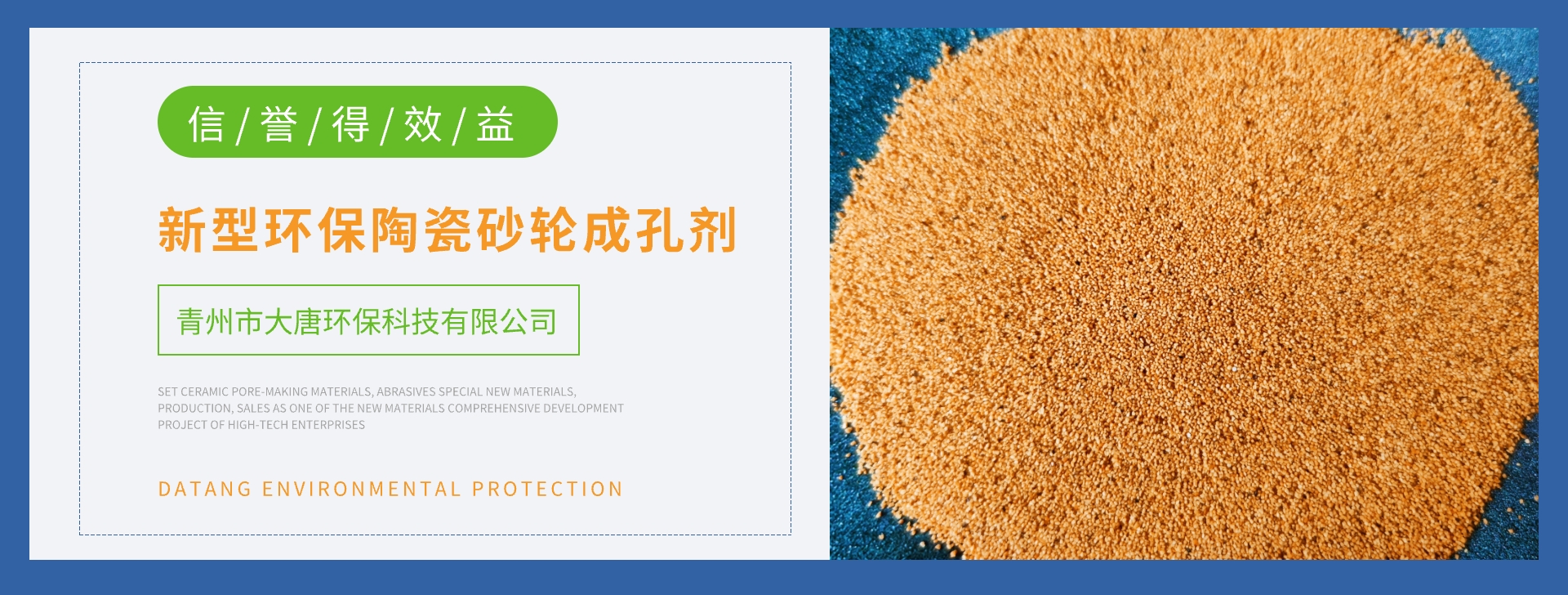
添加成孔剂工艺是通过在陶瓷配料中添加造孔剂,利用造孔剂在坯体中占据一定的空间,然后经过烧结,造孔剂离开而形成气孔来制备多孔陶瓷。添加造孔剂制备多孔陶瓷的工艺流程与普通的陶瓷工艺流程相似。造孔剂的种类有无机和有机两类,无机造孔剂有碳酸铵、碳酸氢铵、氯化铵等高温可分解的盐类,以及煤粉、碳粉等。
有机造孔剂主要是天然纤维、高分子聚合物和有机酸等。造孔剂颗粒的形状和大小决定了多孔陶瓷材料气孔的形状和大小。多孔陶瓷材料的成型方法与普通陶瓷的成型方法类似,主要有模压、挤压、等静压、扎制、注射和粉浆浇注等。

主要组建新型陶瓷添加新材料;陶瓷造孔新æ...
 产品分类 产品分类 |
新闻中心 成孔剂工艺
发布时间:2023-05-23 浏览次数:250 返回列表
添加成孔剂工艺是通过在陶瓷配料中添加造孔剂,利用造孔剂在坯体中占据一定的空间,然后经过烧结,造孔剂离开而形成气孔来制备多孔陶瓷。添加造孔剂制备多孔陶瓷的工艺流程与普通的陶瓷工艺流程相似。造孔剂的种类有无机和有机两类,无机造孔剂有碳酸铵、碳酸氢铵、氯化铵等高温可分解的盐类,以及煤粉、碳粉等。 有机造孔剂主要是天然纤维、高分子聚合物和有机酸等。造孔剂颗粒的形状和大小决定了多孔陶瓷材料气孔的形状和大小。多孔陶瓷材料的成型方法与普通陶瓷的成型方法类似,主要有模压、挤压、等静压、扎制、注射和粉浆浇注等。 |
www.114global.com 中商壹壹肆河北网络科技有限公司版权所有 联系地址:河北省石家庄市桥西区中山东路118号东方新世界中心6009室 平台服务电话:4006299930 电信业务经营许可证:冀B2-20240433 冀ICP备19018905号-9  冀公网安备13010402003046号