
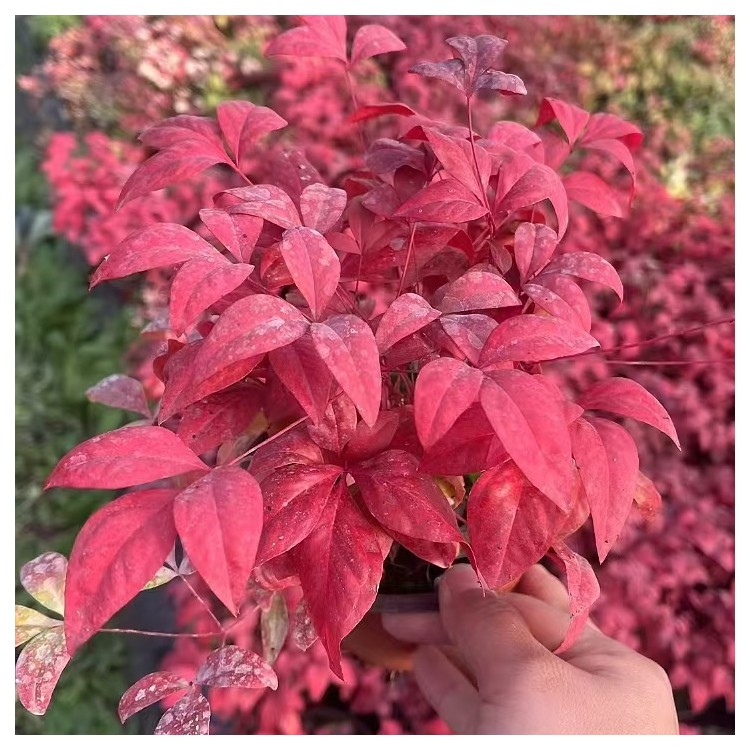
 Fire Red Barberry - Self-produced and sold - Competitive prices - High survival rate
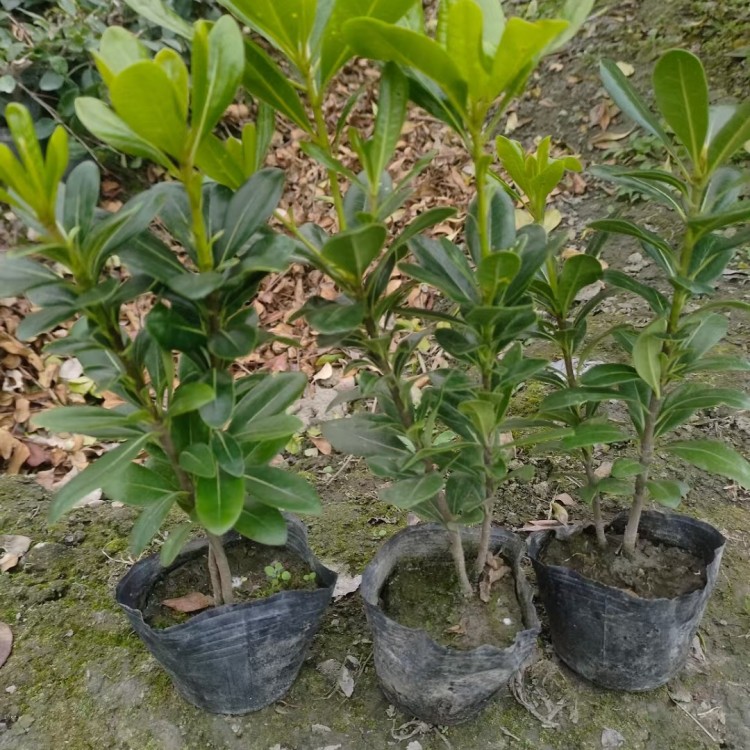 Hainong Seedlings - Self-produced and sold at the base - Competitive pricing - High survival rate
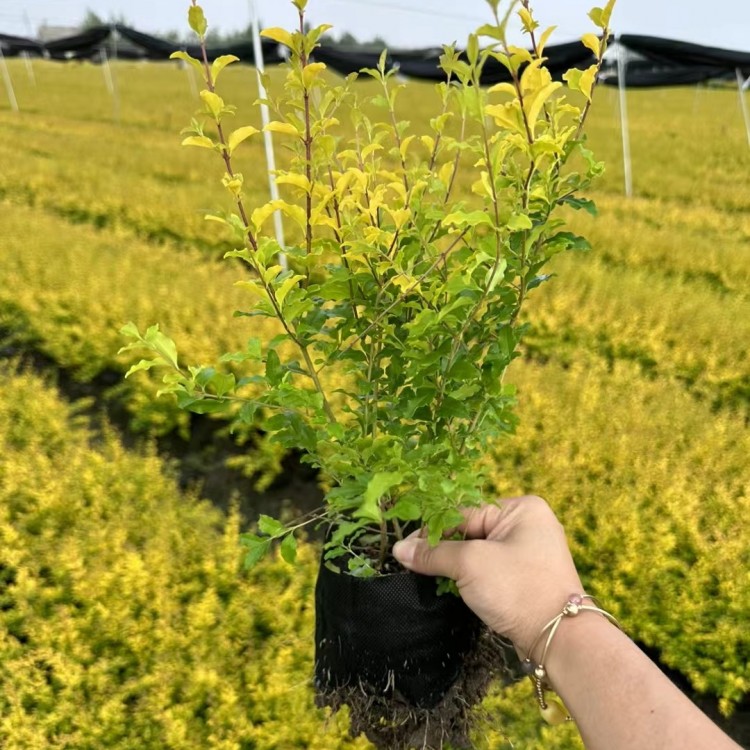 Bright Crystal Holly - Self-produced and sold at base - Competitive price - High survival rate
 Boxwood seedlings - Self-produced and sold at base - Competitive prices - High survival rate
Product Details

Green landscaping trees, garden planting of trees and plants, seeds of wood, ...


产品Price 15.00/Unit
最小起订Quantity:1 Unit 供货总Quantity: 10000 Unit


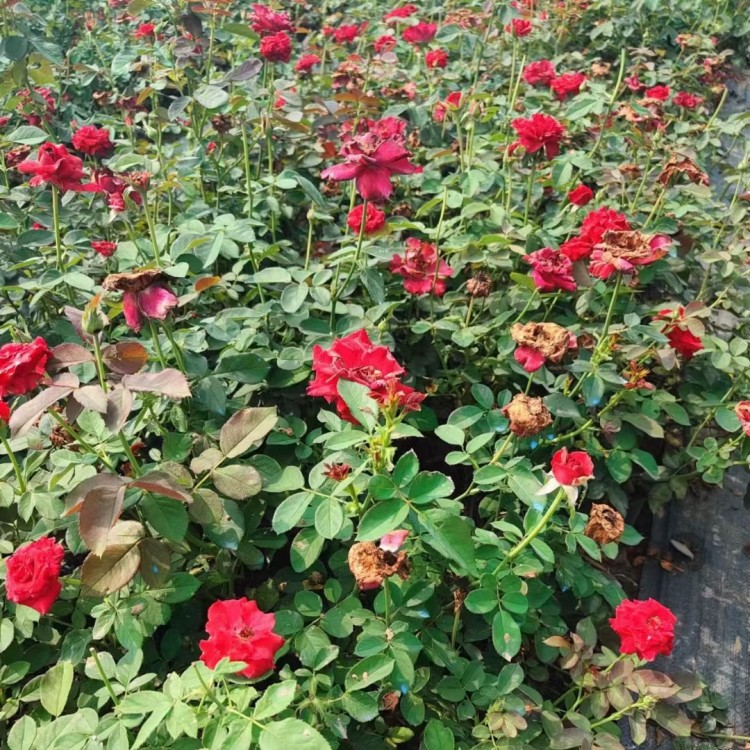 Red Hat Rose - Self-produced and sold locally - Competitive prices - High survival rate
¥0.80
Red Hat Rose - Self-produced and sold locally - Competitive prices - High survival rate
¥0.80
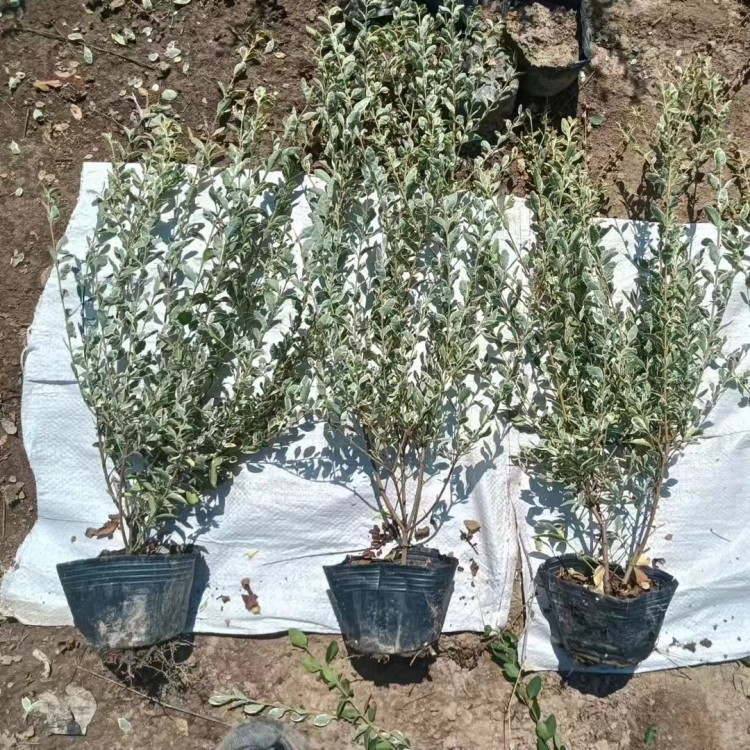 Yinji Small Wax Seedlings - Self-produced and Sold - Competitive Pricing - High Survival Rate
¥1.20
Yinji Small Wax Seedlings - Self-produced and Sold - Competitive Pricing - High Survival Rate
¥1.20
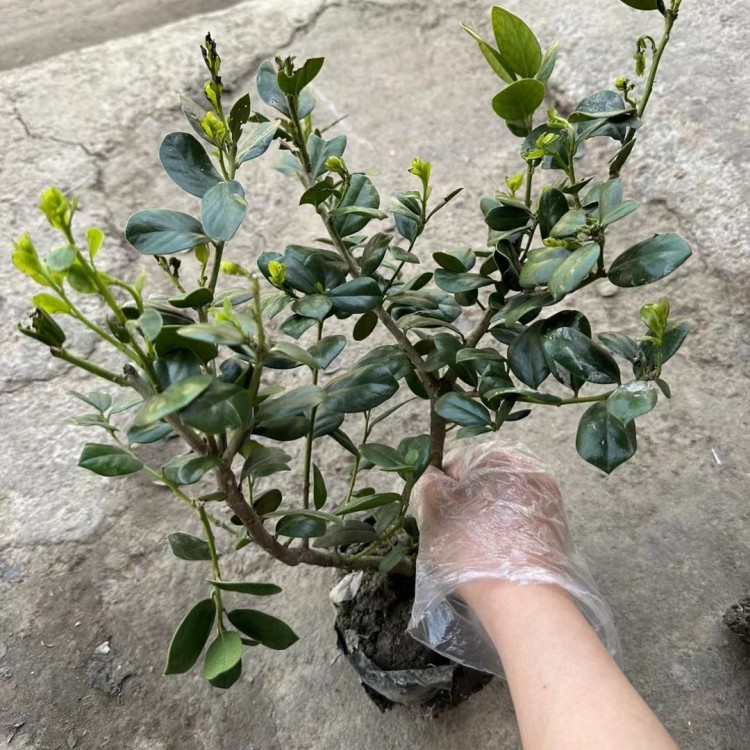 Thornless Huperzia - Sourced and Sold at Base - Competitive Prices - High Survival Rate
¥1.50
Thornless Huperzia - Sourced and Sold at Base - Competitive Prices - High Survival Rate
¥1.50
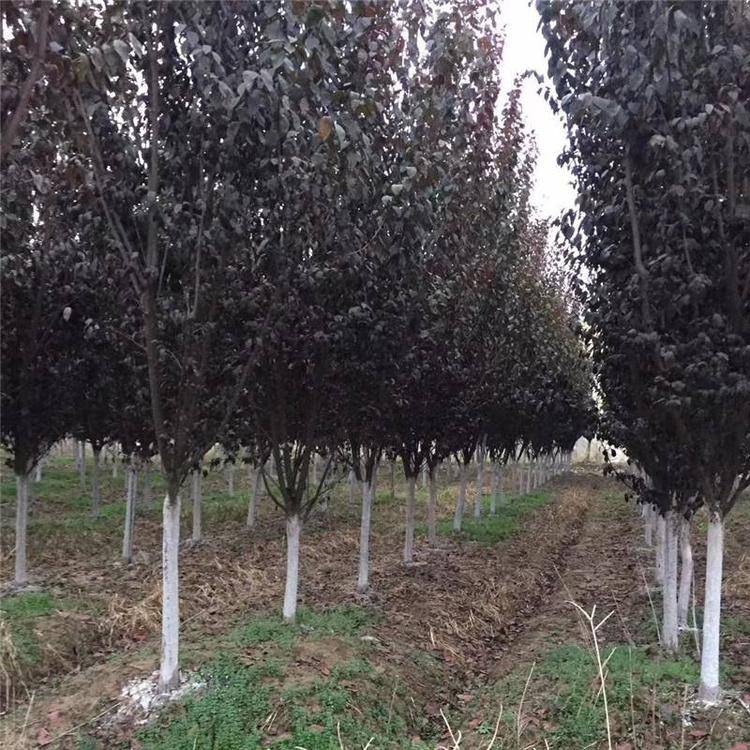
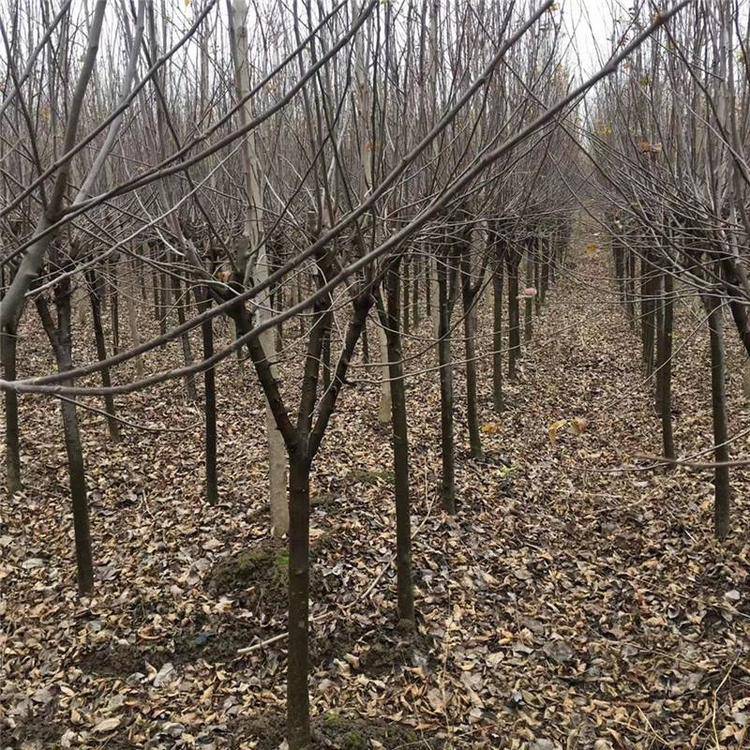
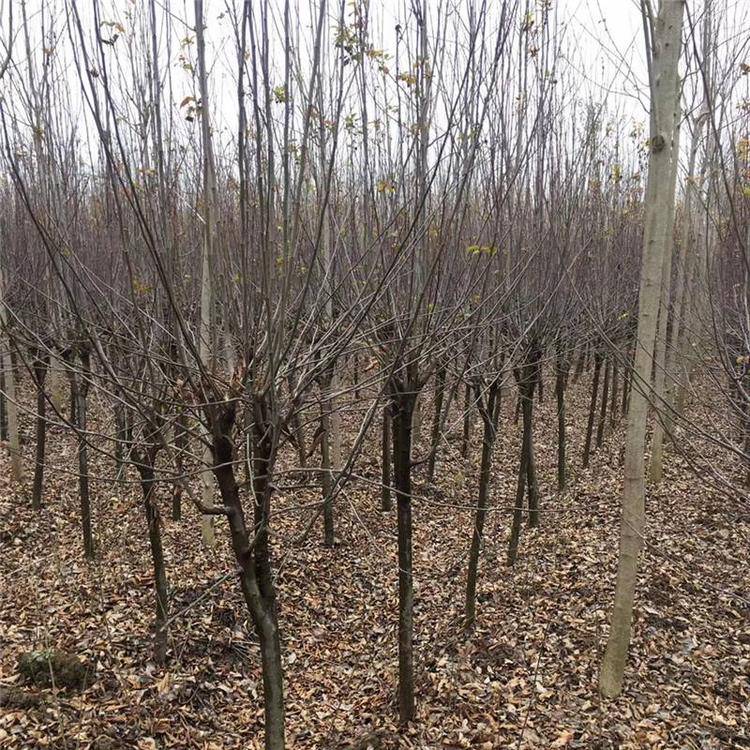
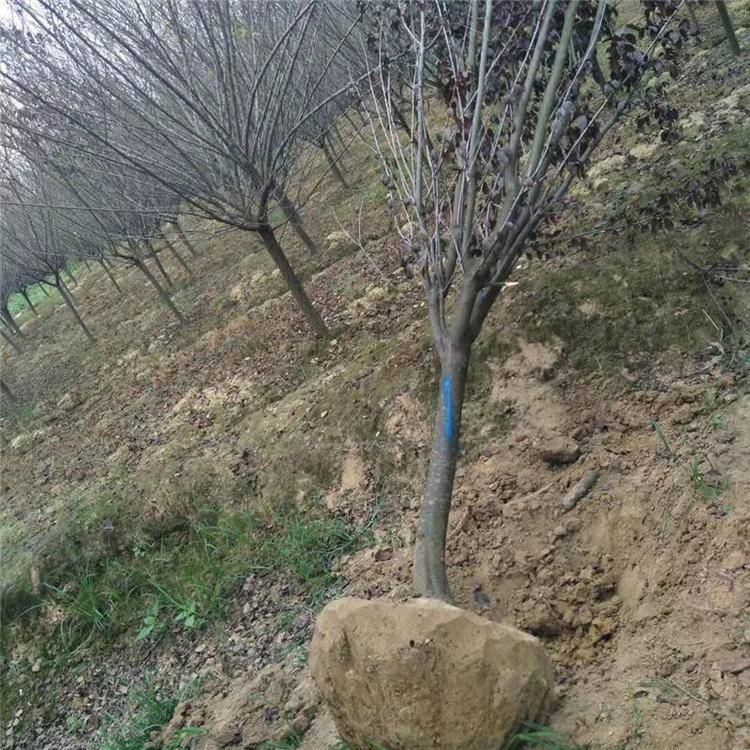
Seeking purple leaf plum seedlings, contact Jiangsu Suqian Dahua Di Landscape Gardening Co., Ltd. We offer wholesale purple leaf plum seedlings all year round, available in diameters of 2cm, 3cm, 4cm, 5cm, 6cm, 7cm, 8cm, 10cm, 12cm, and 14cm. Branching points are optional for larger canopy and vigorous growth. Our Chuyang large-scale purple leaf plum planting base is in mass sales. If you're looking for purple leaf plum prices per tree, please contact us. Basic Information Name: Purple Leaf Pear Tree Alias: Red Maple, Cherry Plum Family: Rosaceae, Prunus genus Species: Street Trees/Large Deciduous Shrubs/Colorful Trees Clay balls: 1:7 in spring, autumn, and winter; 1:8 in summer Branching point: 80~120 cm (optional) Growth Temperature: 15~31°C Propagation Method: Cutting Planting Season: Spring and autumn planting; winter planting; pruning and leaf-picking during the third summer planting Origin Distribution: Suitable for cultivation nationwide, with particularly good performance in Jiangsu Shuyang's Purple Leaf Pear in East China, as well as in Shandong and Anhui. Plantations are also found in South China, Southwest China, Xinjiang in Northwest China, and Ningxia. Key Features Purple Leaf Pear is a common deciduous small tree in the north, often used as a colorful landscaping tree. It is planted and utilized from Chongqing, Sichuan to Xinjiang Ningxia. The seedlings grow quickly, have good characteristics, and are highly adaptable to soil and climatic conditions, with excellent cold resistance. In the cold winter climate of Xinjiang, they can naturally survive without insulation. They also adapt well to the humid and hot southern weather. Among coastal saline-alkaline region landscaping trees, Purple Leaf Pear can be one of them, and it also possesses salt resistance. The tree can reach up to 10 meters in height with a diameter of 30 cm, making it a highly ornamental species. The purple leaf plum blooms in February, featuring snow-white flowers that drop to reveal buds. The leaves remain purple-red throughout the year, yielding fruit resembling plums, which are purple-red and delicious. Particularly striking are its purple-red leaves, which exude a glossy luster, resembling a row of blooming flowers daily in green belts, creating a charming scenery amidst the bustling city. Purple leaf plum characteristics: colorful seedlings, versatile applications, strong adaptability, cold-resistant, drought-resistant, and salt-tolerant. Seedling Management Propagation methods for purple leaf plum include cuttings, grafting, sowing, and layering. Our nursery uses cuttings for propagation. The specific process is not elaborated upon here; those interested can learn the technique of cuttings in autumn at our nursery. Below, I'll mainly discuss the experience in cultivating tree shapes and promoting growth. Set杆 spacing: It is crucial to set the pole length correctly. For branches that need to be 1.2 meters, the pole should be 1.4 meters long; for branches that are 1 meter, the pole should be 1.2 meters. To ensure the pole remains straight, the seedling planting spacing is 60*100 cm, and the space can grow to 2-3 cm. A subsequent thinning is then required. Pruning and Shaping: A standard seedling requires both the right concept and diligent work. For the purple leaf plum, pruning the canopy more than twice is necessary to cultivate an elegant shape. After annual staking, typically 3 to 7 branches grow. We prune the canopy to leave stubs of 15 to 25 centimeters before the spring buds emerge, which promotes more branching and results in a more complete and graceful canopy. Fertilization and Growth Promotion: On the canopy basis of the third-year trees, trim the upper tree tips, cutting each branch. Purple Leaf plum is a highly fertilization-tolerant plant. Apply a complete fertilizer every 40 days during the growing season. Stop fertilizing during the summer high-temperature rainy season. Use the complete fertilizer 3 to 4 times a year, 2 to 3 times in spring and summer, and 1 to 2 times in summer and autumn, scheduling fertilization based on the climate. In winter, spread agricultural fertilizer on the ground at a rate of about 2 to 3 tons per mu. Choose a seedling plot with good drainage; sandy, clay, or loam soils are suitable, but avoid gravelly soil. Irrigation can be done through drip irrigation systems or flooding with drainage ditches. Prunus cerasifera is rarely affected by pests, usually aphids and caterpillars, which can be treated with mild insecticides. Ensure not to water when dry and to water thoroughly when watering. Engineering Planting Key Points Ziye Li is used as a street tree, in flower beds, and in front of buildings. It can also be planted individually around squares, central lawns, and parks, serving as a leaf观赏 species, suitable for both group and solitary planting. Since there are no nurseries on construction sites, our focus is on ensuring the integrity of the soil ball and timely transportation. Another important point is to water frequently during the initial planting period, and it's appropriate to prune and thin leaves. Remember to water thoroughly, especially for secondary watering. Most seedling deaths are due to insufficient watering.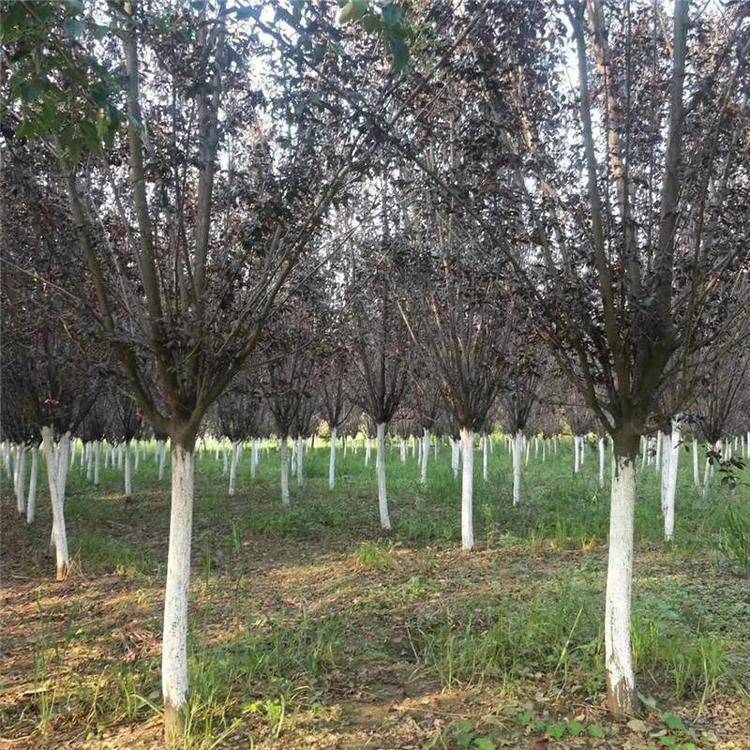


Phone Consultation