





Hotel Property Safety Inspection and Certification
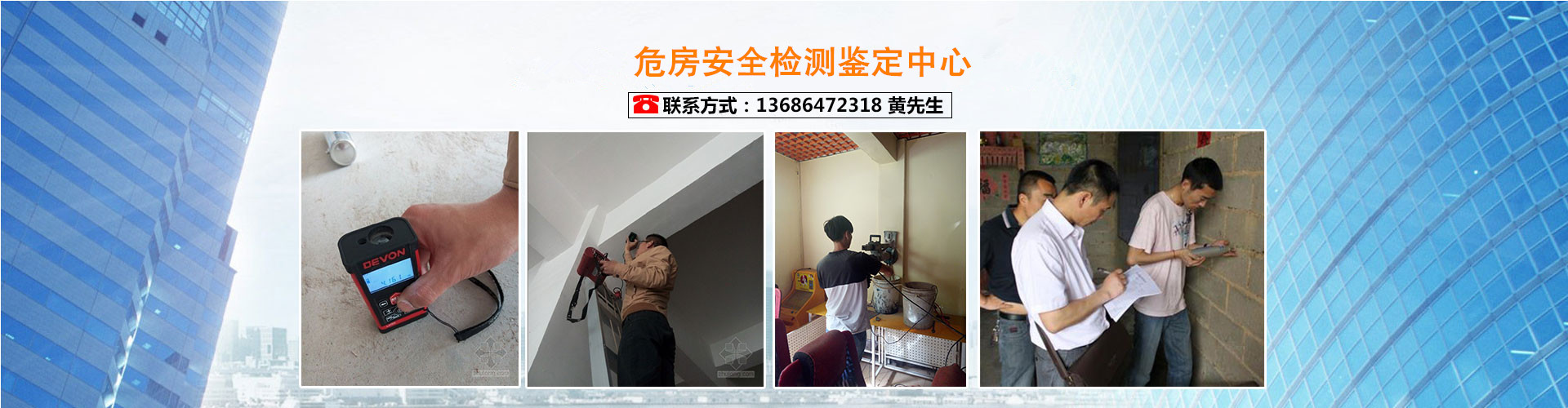
Hotel property safety inspections primarily investigate the usage history and structural system of the building; measure the tilting and uneven settlement of the building; and record the damaged locations, scope, and extent of the main structure and load-bearing components of the building using methods such as text, drawings, photographs, or videos.
Primary Technical References for Hotel Building Safety Inspections:
(1) "Civil Building Reliability Standard" (G292-1999)
(2) "Standard for Structural Inspection and Evaluation of Existing Buildings" (DG/TJ 08-804-2005)
"Code for Load Design of Building Structures (G009-2012)"
(4) "Concrete Structure Design Code" (G010-2010)
(5) "Code for Design of Foundation of Buildings" (G007-2011)
"Rebound Method for Testing Concrete Compressive Strength Technical Code (JGJ/T23-2011)"
(7) Drawings and other materials provided by the client.


Home inspections evaluate the quality of a property, ensuring stability meets national standards, checking for any exceedances post-renovation, and verifying if the floor levels are even, among other specific contents. So, what is the specific scope of a home inspection?
1. Home Inspection Services: Inspect the condition of the house structure, decoration, and equipment, and determine the level of completeness and damage of the house.
2. Scope of Residential Inspection: Houses and property management requiring determination of the condition and integrity of the buildings.
3. Home Safety Inspection Projects: The process of inspecting the condition of structural damage in a building and analyzing to determine the safety of the property.
4. Scope of Residential Safety Inspection: Homes with identified hazard signs.
5. Trend Detection of Residential Damage: A monitoring process that identifies potential or actual damage such as deformation, displacement, and cracks in buildings, caused by external factors like neighboring construction projects or internal factors such as design, construction, and usage.
6. Trend Detection of Building Damage Applicability: Buildings that may have been or are likely to be damaged due to various factors, or those that have been damaged and require monitoring.
7. Building Change Detection Project: A process of evaluating the possibility of structural and functional changes in a building by inspecting the original structure to determine its safety level.
8. Scope of Residential Change Detection: Buildings requiring increased load-bearing capacity and structural modifications.
9. Seismic Resistance Testing of Buildings: A process of assessing the safety of buildings under the action of earthquakes at specified intensities, based on the current quality status of the buildings and in accordance with the prescribed seismic fortification requirements.
10. Scope of Seismic Resistance Testing for Buildings: Applies to buildings that have not been designed with seismic fortification or have a fortification level below the current regulations, particularly protective buildings, urban lifeline projects, and reconstruction with additional stories.
Home inspections are very strict due to the safety of so many people in a building, which must be stringent, as many real estate companies currently cut corners to profit.
