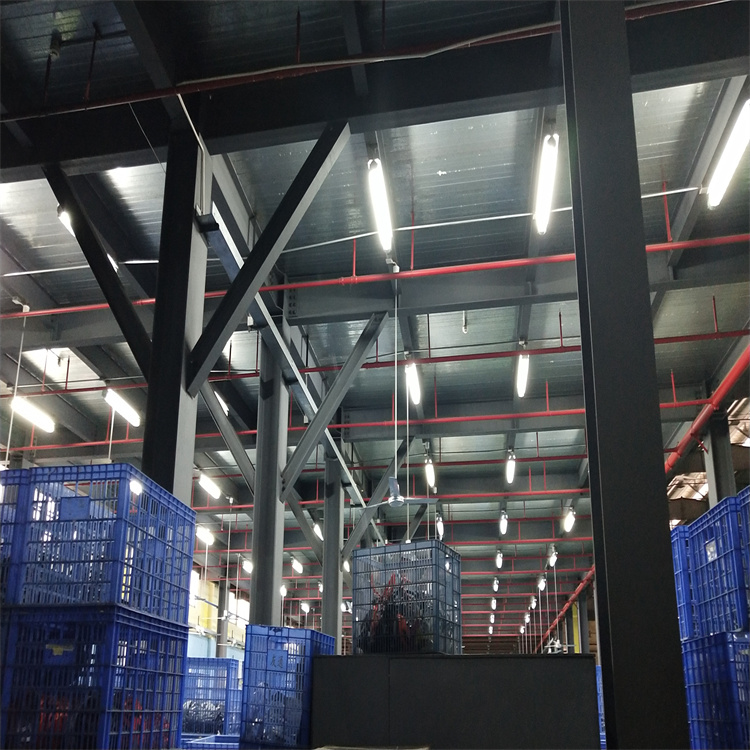






Structural Steel Workshop Load-Bearing Safety Inspection and Certification Report
What is Load-Bearing in Construction?
Structural load-bearing refers to the maximum load that a building's floor, walls, and other components can support. Load-bearing inspection is the process of assessing a building's capacity to bear loads and determining whether the building's structure is safe.
What is Floor Load?
Floor load capacity refers to the maximum load that a floor can bear. Floor load capacity testing and assessment is the process of inspecting and evaluating the bearing capacity of a floor.
The Importance of Structural Load and Floor Load Testing and Assessment
Structural load and floor bearing testing are crucial measures to ensure building safety and prevent accidents. Only by guaranteeing the safety of structural load and floor bearing can the stability and normal operation of the building be ensured. Therefore, regular detailed inspections of buildings to promptly identify and address existing load and bearing issues are of great significance.

Section II: Main Inspection Items for Factory Audit
The inspection includes: tilt, settlement, cracks, foundation, masonry structural components, wood structural components, concrete structural components, and steel structural components, with the detection of various parameters typically conducted on-site. In the inspection of steel structural components, the tensile strength test method is used to measure the tensile strength of steel specimens, while the bending strength test method assesses the bending deformation capability of the steel specimens.
Section 3: Factory Inspection and Factory Audit Process
1. Investigate the factory's usage history and structural system.
2. Document the main structure and load-bearing components of the factory using methods such as text, drawings, photographs, or videos.
Item for the detection of mechanical properties of the factory building materials should be determined based on the requirement of structural bearing capacity calculation.
4. As necessary, establish a calculation model based on the structural characteristics of the factory building. Evaluate the safety reserve of the factory structure according to the actual mechanical properties of the building materials and the actual loads, in compliance with current regulations.
5. Conduct a comprehensive assessment of the factory's structural condition to determine the level of safety.