





Structural Steel Coal Shelter Load Safety Inspection and Appraisal
With the rapid development of the social economy, several major cities in "Jiangsu, Zhejiang, and Shanghai" have become primary areas for the development of factory buildings. Factory buildings refer to structures primarily used for industrial manufacturing, production, assembly, maintenance, and inspection activities.
Many clients expect suppliers to meet certain requirements in management systems related to quality, corporate social responsibility (human rights), and anti-terrorism. Therefore, before placing an order, they either conduct their own factory inspections or委托 third-party inspection agencies to do so. Only after confirming that the factory does not have any major or severe issues can it be included in the list of qualified suppliers, and orders can be placed and long-term cooperation initiated.
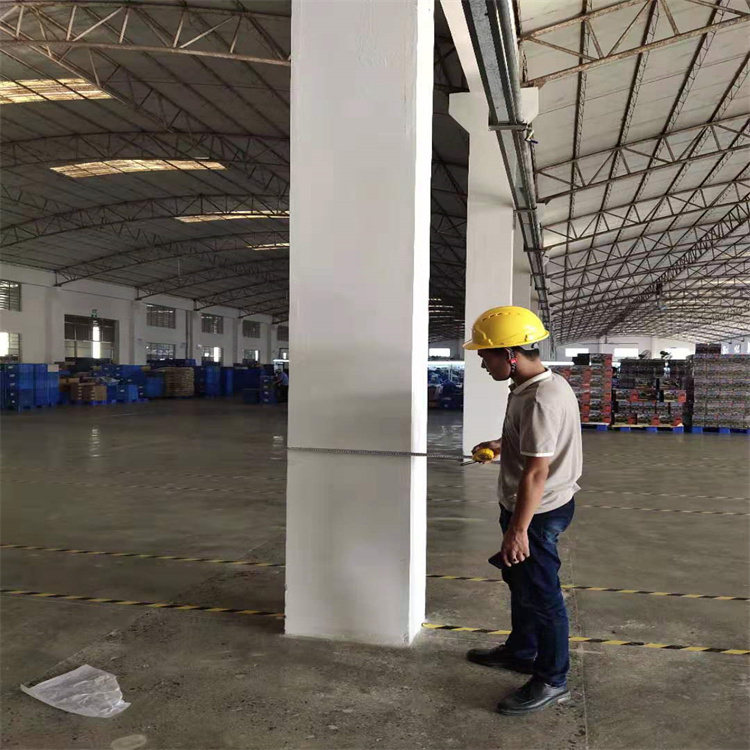
I. The process of structural steel safety inspection and evaluation:
1. Gather relevant construction documents, including geotechnical investigation reports, design drawings, construction logs, and inspection certificates for various materials.
In accordance with the requirements of the "Technical Standard for Structural Detection of Buildings" (GB/T50344—2004), mechanical property tests were conducted on the steel.
3. In accordance with the requirements of the "Technical Standard for Structural Detection of Buildings" (GB/T50344—2004), we conducted strength tests on concrete and measured the depth of carbonation in representative areas.
In accordance with the requirements of the "Code for Acceptance of Construction Quality of Steel Structure Engineering" (GB 50205-2001) and considering the actual conditions of the testing site, ultrasonic thickness gauges were used to inspect the steel thickness.
5. In accordance with the requirements of the "Code for Acceptance of Construction Quality of Steel Structures" (GB 50205-2001) and considering the actual conditions of the inspection site, the steel frame welding quality of all required full penetration first and second-class welds in steel structural members is inspected manually. The surface of the welds is also checked for defects such as air holes, slag, arc pit cracks, etc.
6. Component appearance quality inspection, corrosion coating thickness testing, fire coating thickness testing, and checking the integrity of the protective structures to ensure they meet design requirements.
7. For testing requirements beyond national standards, a written contract shall be signed between the entrusting party and the entrusted party, and implemented accordingly.
