
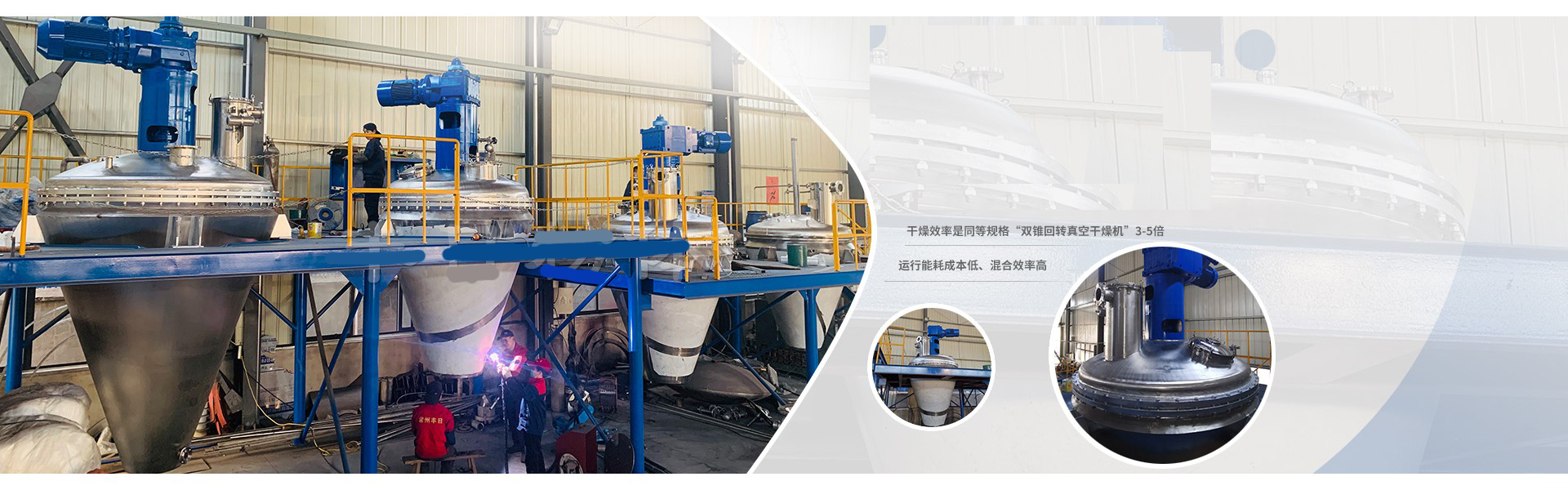

Triple合一WashingFilter Dryer - Equipment Overview
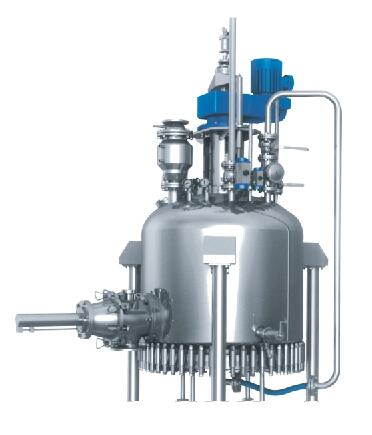
The Filter-Wash-Dry-in-One process completes mixing, reaction, filtration, cleaning, dewatering, drying (and secondary pulping), all within a sealed container. It is widely used in industries such as manufacturing, chemicals, food, and dyes, particularly suitable for high-purity requirements, small to medium batch sizes with a variety of products, as well as for very large batch production.
Triple合一WashingThe Filter Dryer is equipped with a hollow helical ribbon stirrer and a jacketed design, both of which are part of the heat medium circulation drying system. This ensures that the material absorbs heat to a great extent. Combined with a zero dead corner turnover structure, it significantly enhances the material's heat exchange capability, resulting in a drying efficiency up to 1 to 2 times higher than traditional processes.
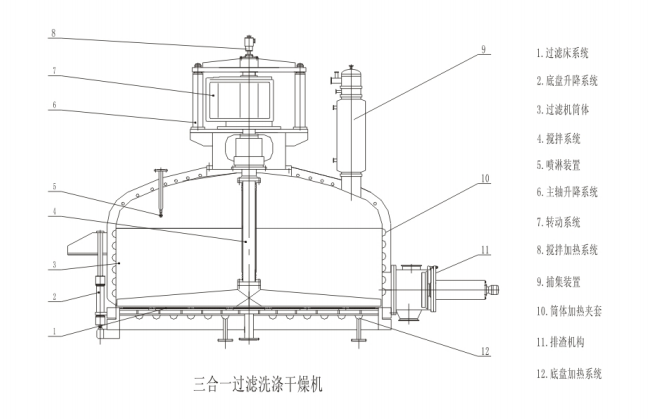
Tri-comboWashingFilter Drying - Structure and Principle
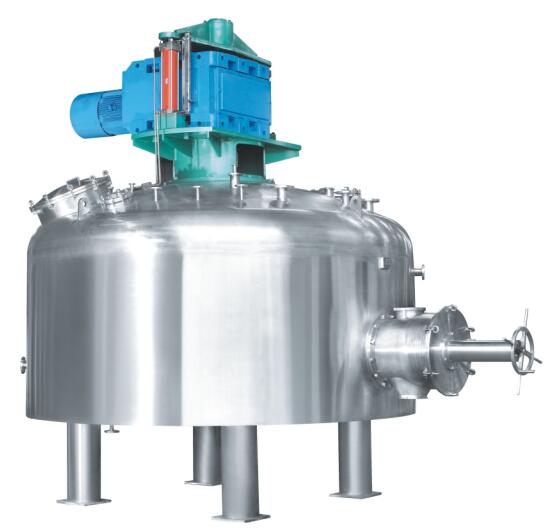
WashingThe Filter-Dryer (also known as "three-in-one" in the industry) can achieve a continuous process of material filtration, washing, drying, sterilization, and unloading. Its operation method is batch processing (intermittent operation) and is widely used in manufacturing, food, agriculture, and chemical industries. The Filter-Washing-Dryer is mainly composed of vertical vessels for pressure-bearing parts, heating systems, mixing systems (mixing shafts, paddles, mechanical seals, etc.), lifting and lowering mechanisms, transmission mechanisms, filtering media, discharge valves, spray systems, sterilization equipment, hydraulic pump stations, and the main electrical control cabinet (including inverters, PLCs), achieving an integration of machinery, electricity, and instruments.
Following the completion of basic operations such as filtration, washing, drying, and solid unloading for a batch of materials, the filter-washing-drying machine can further dissolve the materials requiring additional processing with a solvent, and then proceed to the next operation process continuously.
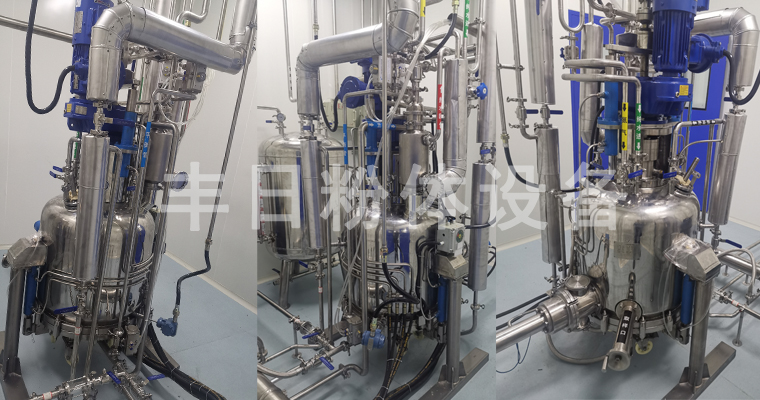
WashingThree-in-One Filtration and Drying Process
1. Filter
The solid-liquid mixture slurry produced from upstream reactors or crystallization equipment is discharged into the three-in-one equipment tank, and the separation of the solid-liquid mixture is achieved through filtration by pressure difference. In practical applications, there are filtration methods such as pressure filtration, vacuum filtration, and combined pressure-vacuum filtration. Pressure filtration uses clean compressed air, nitrogen, or other inert gases, and the specific compressed gas should be selected based on the characteristics of the solid-liquid mixture. For example, if the solid-liquid mixture is prone to oxidation or contains explosive media, compressed air should not be used, and inert gases should be chosen instead. Based on practical experience, the pressure filtration for general products in the manufacturing industry is typically 0.2 to 0.3 MPa to achieve filtration, while some products in the chemical or food industry require higher filtration pressure, with some reaching 1.0 MPa.
2. Laundry
Following the completion of the filtration process, the next step is washing. The three-in-one equipment tank is equipped with a special spray device, allowing the cleaning liquid to be evenly distributed throughout the tank. By activating the mixing system, lifting mechanism, and transmission mechanism, the paddle blades can rotate and move axially up and down, ensuring thorough cleaning of the material. This removes impurities adhering to the crystal surface. The cleaning liquid used and the number of washes required should be determined based on the material and characteristics of the production process.
3. Dry
The drying process for the three-in-one equipment can utilize either hot air drying or vacuum drying. Either method requires the use of clean, inert gases due to dust generation during the drying process, necessitating consideration for explosion-proof operating environments. Currently, vacuum drying is the mainstream drying process for three-in-one equipment. Factors influencing the vacuum drying process include vacuum level, drying time, and impeller characteristics.
The vacuum drying process employs a vacuum system to remove inert gases from the tank, reducing the number of gas molecules and isolating the air. It is primarily suitable for materials prone to oxidation and spoilage, as well as for substances requiring solvent recovery during evaporation and heat-sensitive materials. In the vacuum state, it can minimize the opportunity for material contamination or inhibit the growth of certain bacteria, making it particularly suitable for the drying of sterile materials.
Tabletop Filter-Wash-Dry Three-in-One Machine - Performance Features
1. System Encapsulation: The Filter-Wash-Dry-in-One system is a fully enclosed unit. In the production operations of an enclosed system, it can prevent toxic substances from polluting the air and also reduce the occurrence of operator poisoning accidents.
2. Recycling: Materials and solvents are almost completely recycled, avoiding waste due to material loss and solvent evaporation, which offers significant economic benefits.
3. Multi-functional One-Stop Operation: Filtration, washing, and drying are all completed within the same unit. The container walls are equipped with a heating jacket for drying processing.
4. Continuous Operation: Filtration and drying are carried out in a continuous system, eliminating the need to handle wet filter cakes. The dried product can be mechanically transported to weighing, packaging, and other processes.
5. Labor Efficiency: Non-technical personnel with basic training can operate the equipment. The operation of starting, stopping, automatic feeding, and automatic unloading does not require technical supervision.
6. Thorough Cleaning: The three-in-one washing, filtering, and drying system features automatic spray and stir functions, ensuring thorough washing of the filter cake, thereby reducing waste discharge and lowering the cost of wastewater treatment.
7. Clean Production: The multifunctional filtration drying system is equipped with a dust collector, which collects the dust generated after drying, meeting the requirements for clean production.
