

What are the types of transmission methods for circular guideways?
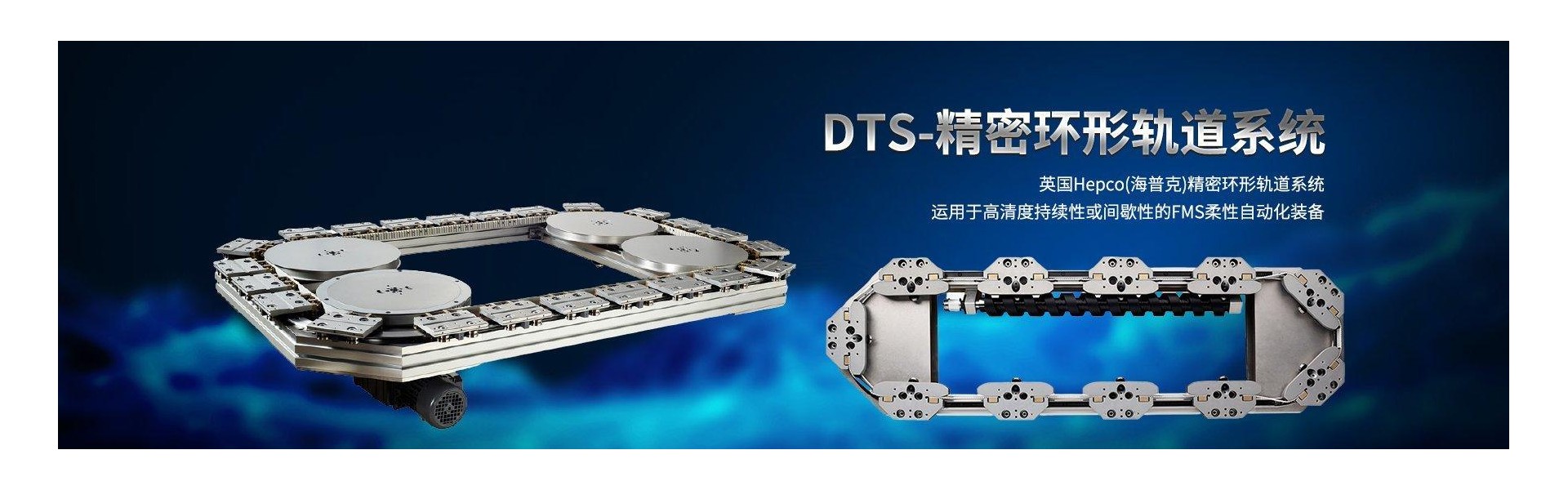
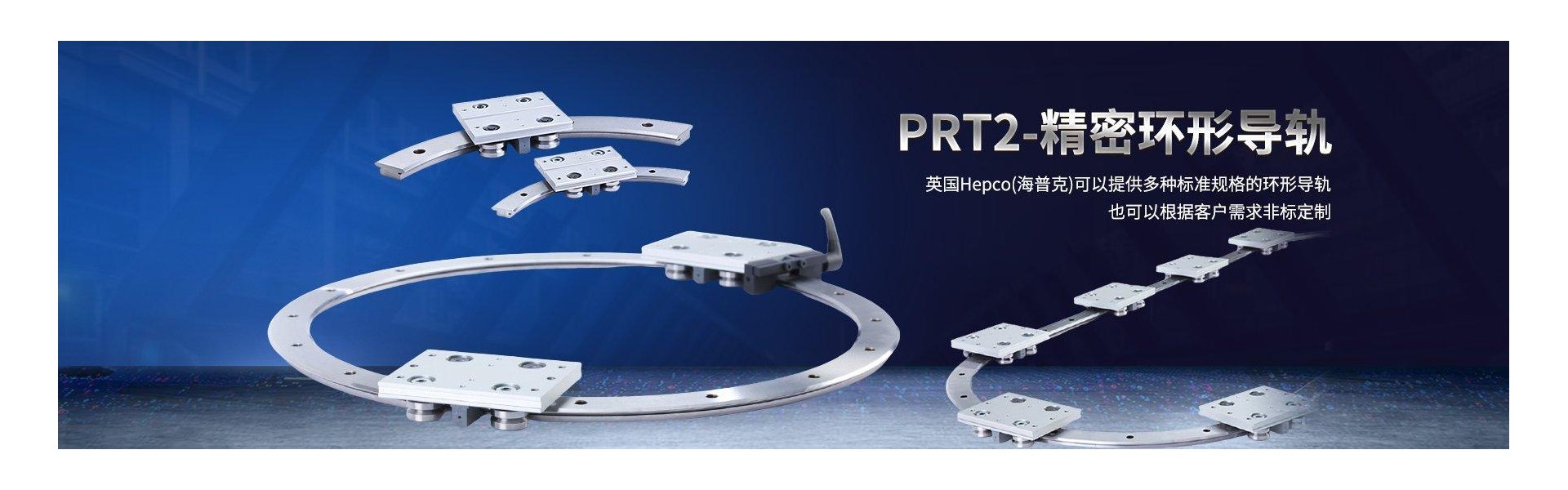
Circular guideways represent a track system technology. Although relatively new in the domestic market as an intelligent equipment, the technology has matured in performance. With the addition of the drive system, they can be used to form circular conveyor lines, making them widely applicable in printing, transportation, packaging, and assembly lines for electronic product production. As a track system, Kaiming circular guideways offer various transmission methods, such as hub transmission, cam disk transmission, synchronous belt transmission, chain transmission, linear reciprocating motion mechanism transmission, screw transmission, and synchronous steel belt transmission. Different transmission methods have unique features suitable for different applications. Details are as follows:

- Hub transmission: Used with circular guideways of shorter total travel.
- Cam disk transmission: Multiple slides connected by link "1"; each slide is equipped with a cam bearing "2"; the cam disk is machined with cam grooves "3," ensuring constant engagement between two cams and the cam disk.
- Synchronous belt transmission: Commonly used, it can connect all slides for synchronized movement, featuring high speed, low noise, and high precision.
- Chain transmission: Used with circular guideways that handle heavy loads and longer travel.
- Linear reciprocating motion mechanism transmission: Multiple slides are connected by links and driven by a linear reciprocating motion mechanism, characterized by slow speed and simplicity.
- Screw transmission: Slides can be connected via synchronous belts or links, allowing for high-speed operation.
- Synchronous steel belt transmission: Utilizes steel belts for synchronized transmission, offering high precision, resistance to elongation, and cleanliness advantages.
