




Activated carbon plays an adsorption and filtration role in water treatment plants.
Water treatment is a crucial process to ensure industrial and household access to clean and safe drinking water. Among the various methods used in water treatment plants, activated carbon adsorption filtration is an effective and popular technique. This method plays a vital role in removing impurities, organic compounds, and pollutants from water, making a significant contribution to the production of high-quality drinking water.
Understand the Adsorption of Activated Carbon
Activated carbon is a highly porous form of carbon with a large surface area, providing ample space for adsorption, which is the process of molecules adhering to the carbon surface. This adsorption capability is due to its porous structure, which can capture a variety of pollutants and contaminants present in water.
The activation process involves treating carbonaceous materials, such as coal, wood, or coconut shells, with high temperatures and specific gases. This treatment creates a vast pore network and increases the surface area, enhancing the carbon's ability to adsorb impurities.
The Role of Activated Carbon in Water Treatment
Removing Organic Compounds:Activated carbon effectively removes organic compounds, including volatile organic compounds (VOCs) and industrial solvents. These compounds are drawn to the surface of the carbon and trapped within its pores, thereby purifying water.
Reduce Chlorine and Odor Levels:Chlorine is commonly used for water disinfection, which can produce unpleasant odors and tastes. Activated carbon filtration helps reduce chlorine levels and eliminate associated odors, improving the overall taste of the water.
Eliminate Heavy Metals:Certain heavy metals, such as lead, mercury, and arsenic, pose significant health risks. Activated carbon can effectively capture these metals, preventing them from entering treated water.
Implementation at the Water Treatment Plant
Activated carbon filtration is typically integrated into the water treatment process through various configurations.
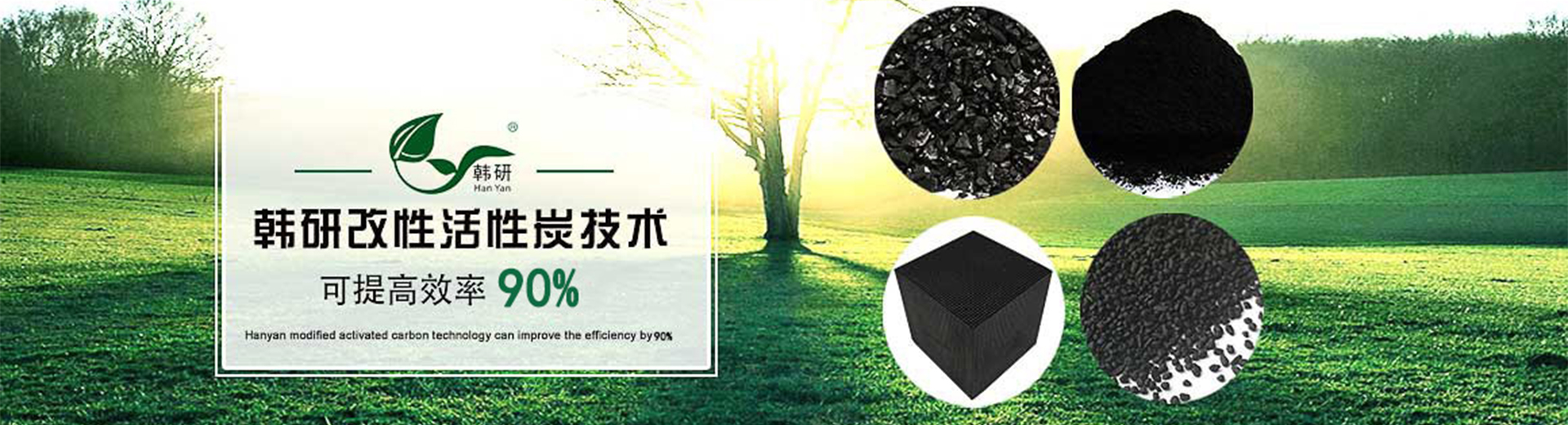
Granular Activated Carbon FilterThese filters consist of a granular activated carbon bed through which water flows. GAC filters are commonly used in municipal water treatment plants as they effectively remove a variety of contaminants.
Powdered Activated CarbonThis fine powder is directly added to water to achieve high surface area interaction and effective adsorption of pollutants. PAC is typically used for specific treatment purposes or in combination with other filtration methods.
Maintain and Challenge
Regular maintenance is crucial for ensuring the ongoing effectiveness of activated carbon filters. Over time, the pores of the carbon fill with pollutants, reducing its adsorption capacity. Regular replacement or reactivation of activated carbon is necessary to maintain filtration efficiency.
However, there are challenges such as the potential for bacteria to grow within carbon pores, as well as the need for proper disposal or regeneration of waste carbon that may contain concentrated pollutants.
Activated carbon adsorption filtration plays a crucial role in modern water treatment plants, providing an efficient and universal method for removing various impurities and contaminants from water. Its application has made a significant contribution to providing clean and safe drinking water, ensuring the health and well-being of global communities. The effective utilization and management of activated carbon filtration systems are vital for maintaining the quality and reliability of this critical water treatment process.
With technological advancements, research to enhance the efficiency, sustainability, and cost-effectiveness of activated carbon is ongoing, promising further advancements in water treatment methods.
Water treatment is crucial, and activated carbon filtration stands as a steadfast guardian, ensuring we obtain clean drinking water, which is a fundamental necessity of life itself.
