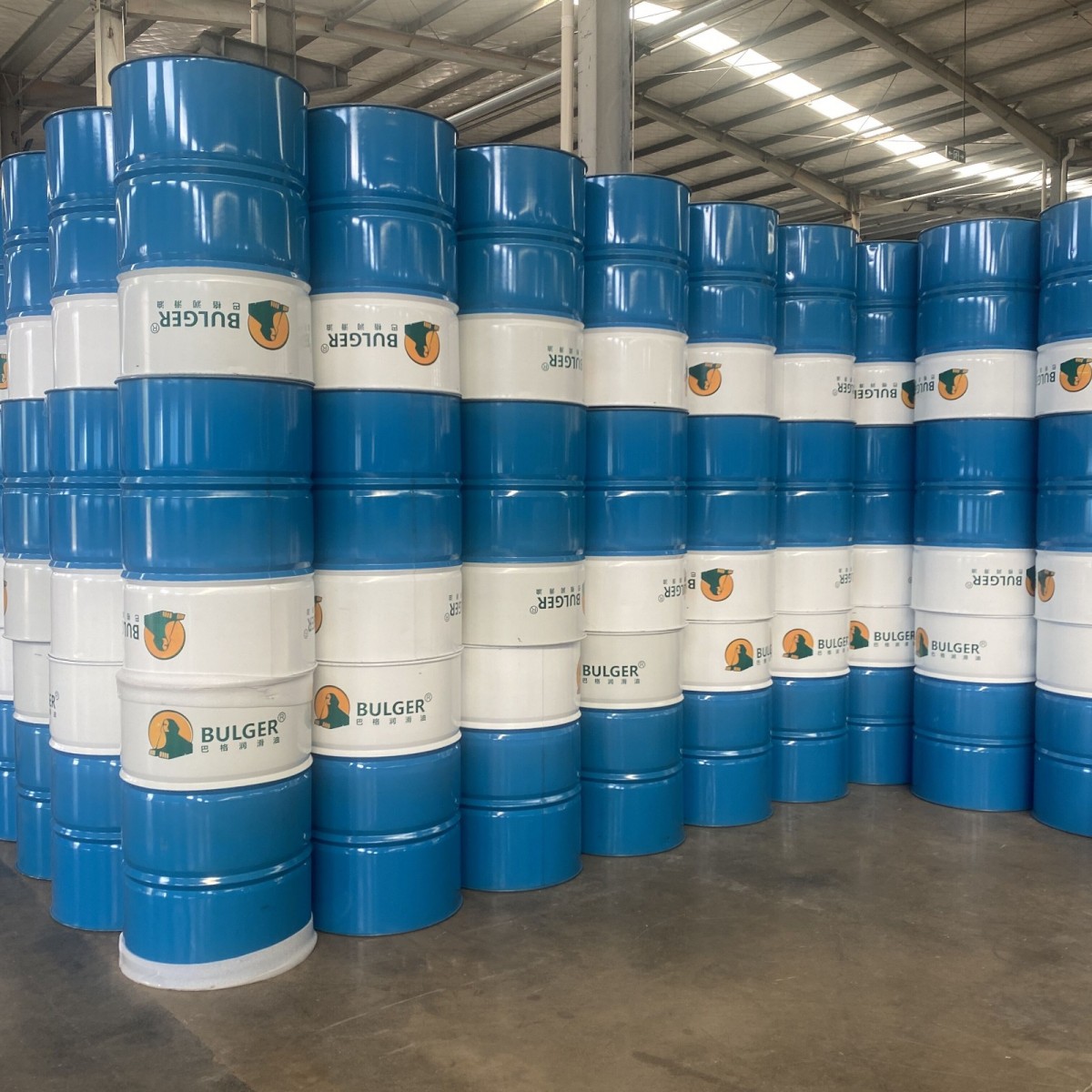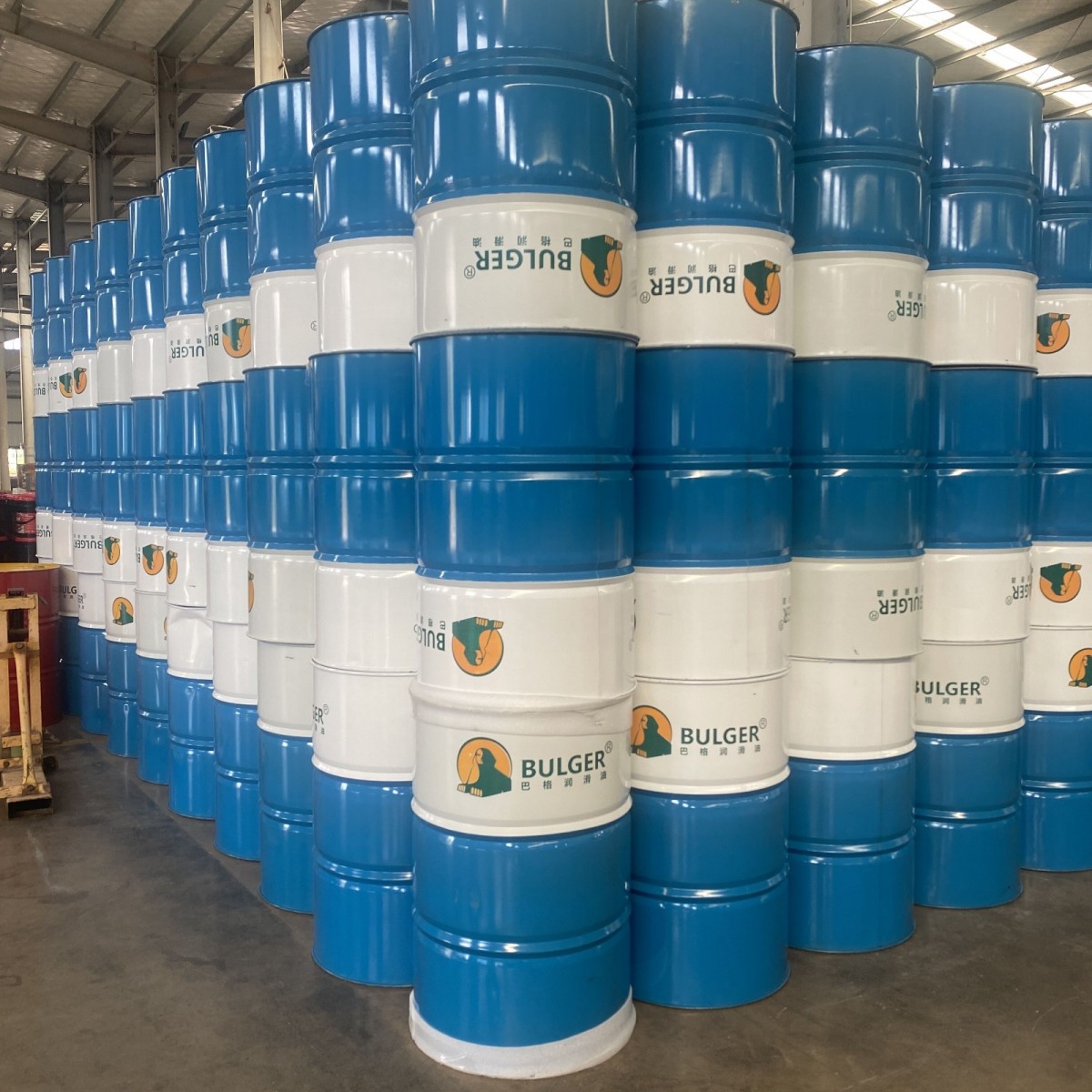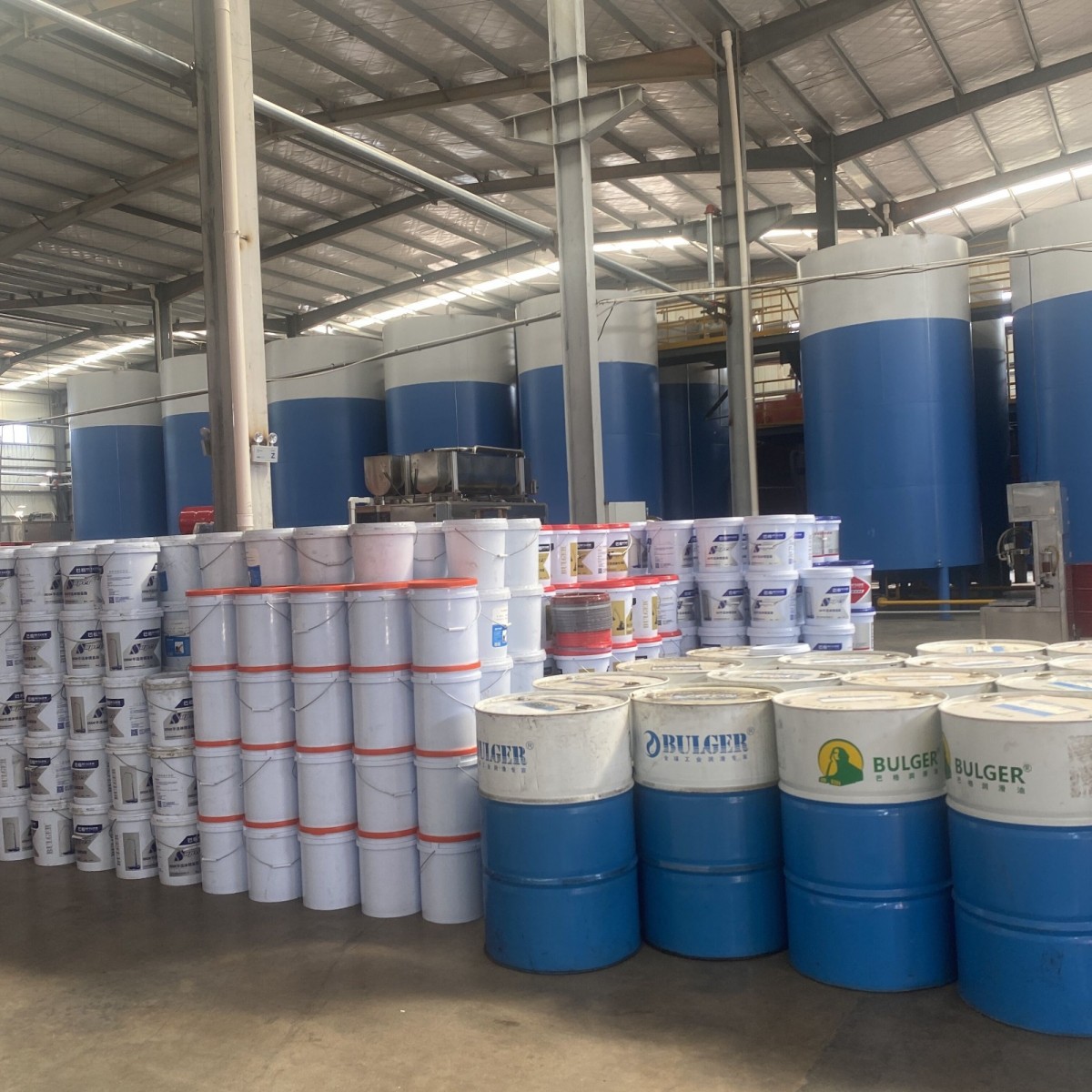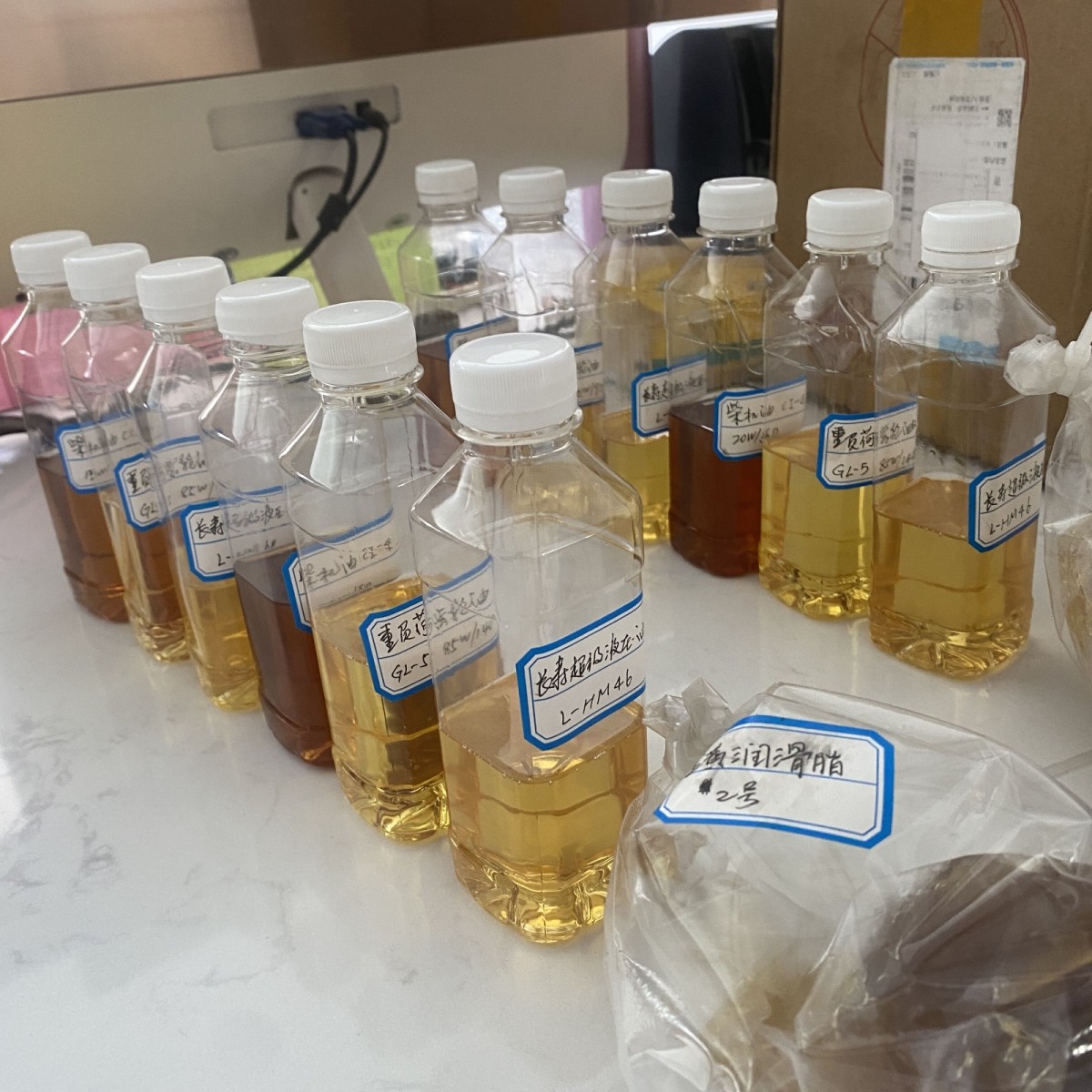




Quenching oil is a process oil used as a quenching medium. It is categorized into general quenching oil and special quenching oil. General quenching oil includes rapid quenching oil, isothermal grading quenching oil, and rapid bright quenching oil. Kaiti Quenching Oil is suitable for the grading quenching of carbon or carbonitriding gears and other small and medium-sized workpieces (such as bearing inner and outer rings, precision components, automotive halfshafts) in controlled atmosphere multi-purpose furnaces or continuous furnaces.
The quenching oil boasts excellent penetration and hardening properties, uniform hardness, minimal deformation, and good brightness of workpieces. The steam film stage during the quenching process is short, with rapid cooling at high temperatures, a high starting temperature for convection, good thermal stability of the oil, and a long service life, ensuring long-term stable quenching quality for the workpieces.
Quenching oil must possess the following characteristics:
Excellent cooling performance
Cooling performance is a crucial characteristic of quenching media, directly affecting the quality of quenched parts. Good cooling properties ensure that the parts have a certain hardness and qualified microstructure after quenching, which can prevent deformation and cracking of the parts.
High flash point and ignition temperature
During quenching, the oil temperature rises instantaneously. If the oil's flash point and ignition point are low, it may ignite. Therefore, quenching oil should have a high flash point and ignition point. Typically, the flash point should be 60-80°C higher than the operating oil temperature.
Stable performance
Quenching oil is used under harsh conditions of high temperatures and continuous operation, necessitating excellent antioxidant, anti-thermal decomposition, and anti-aging properties to ensure the cooling performance and service life of the oil.
Low viscosity
The viscosity of lubricants is related to their adherence, carry loss, and cooling performance. To ensure the cooling performance and flash point of the lubricant, the viscosity should be as low as possible, which can reduce carry loss and facilitate cleaning of the workpiece.
Low moisture content
Excessive moisture in oil can affect the quality of heat treatment for parts, leading to soft spots, quench cracks, or deformation. It may also cause oil splashing, potentially resulting in accidents. Therefore, it is generally specified that the water content in quenching oil should not exceed 0.05%.
Other Features
In addition to the aforementioned features, quenching oil should be non-toxic, odorless, easy to handle, environmentally friendly, and result in a bright surface on the quenched workpiece.