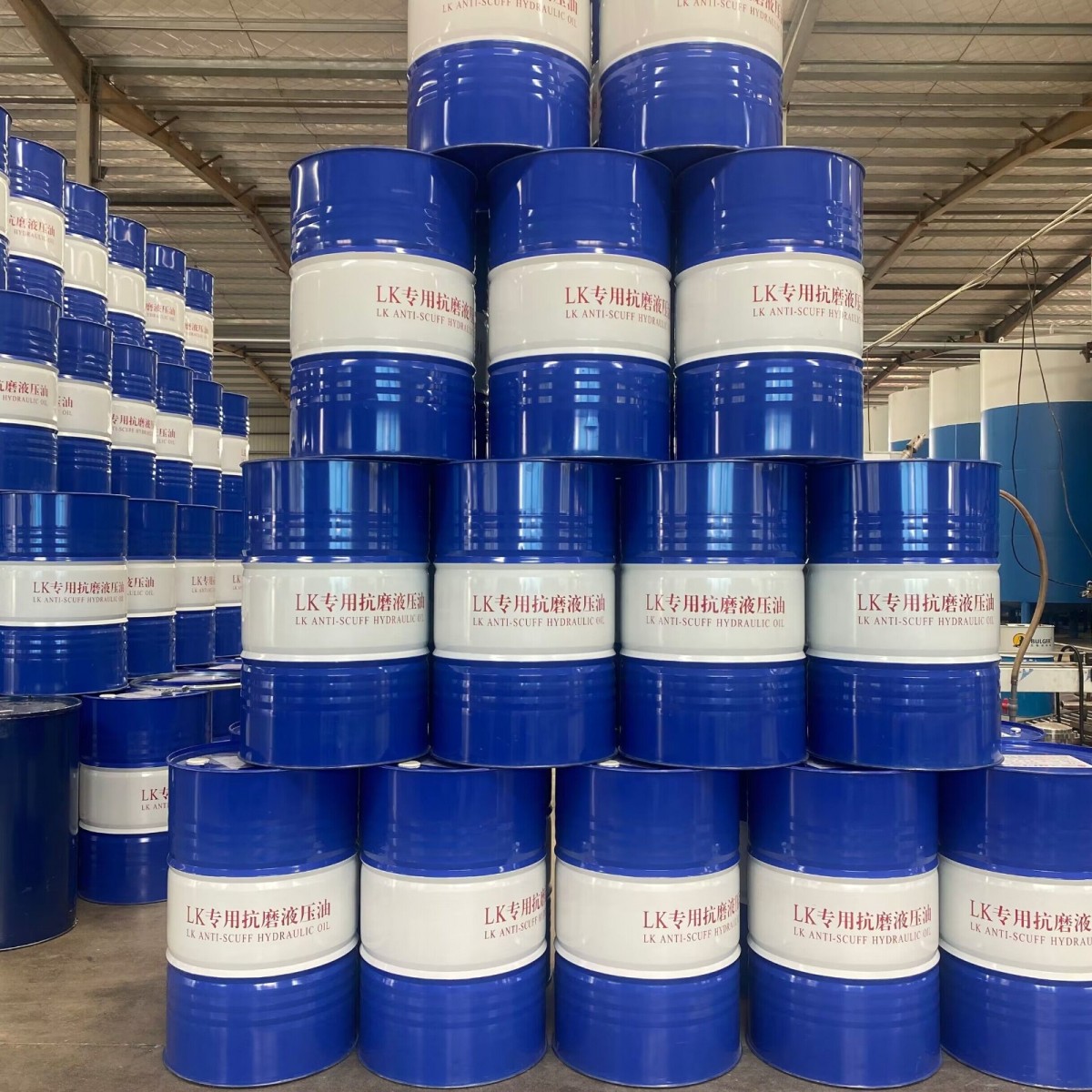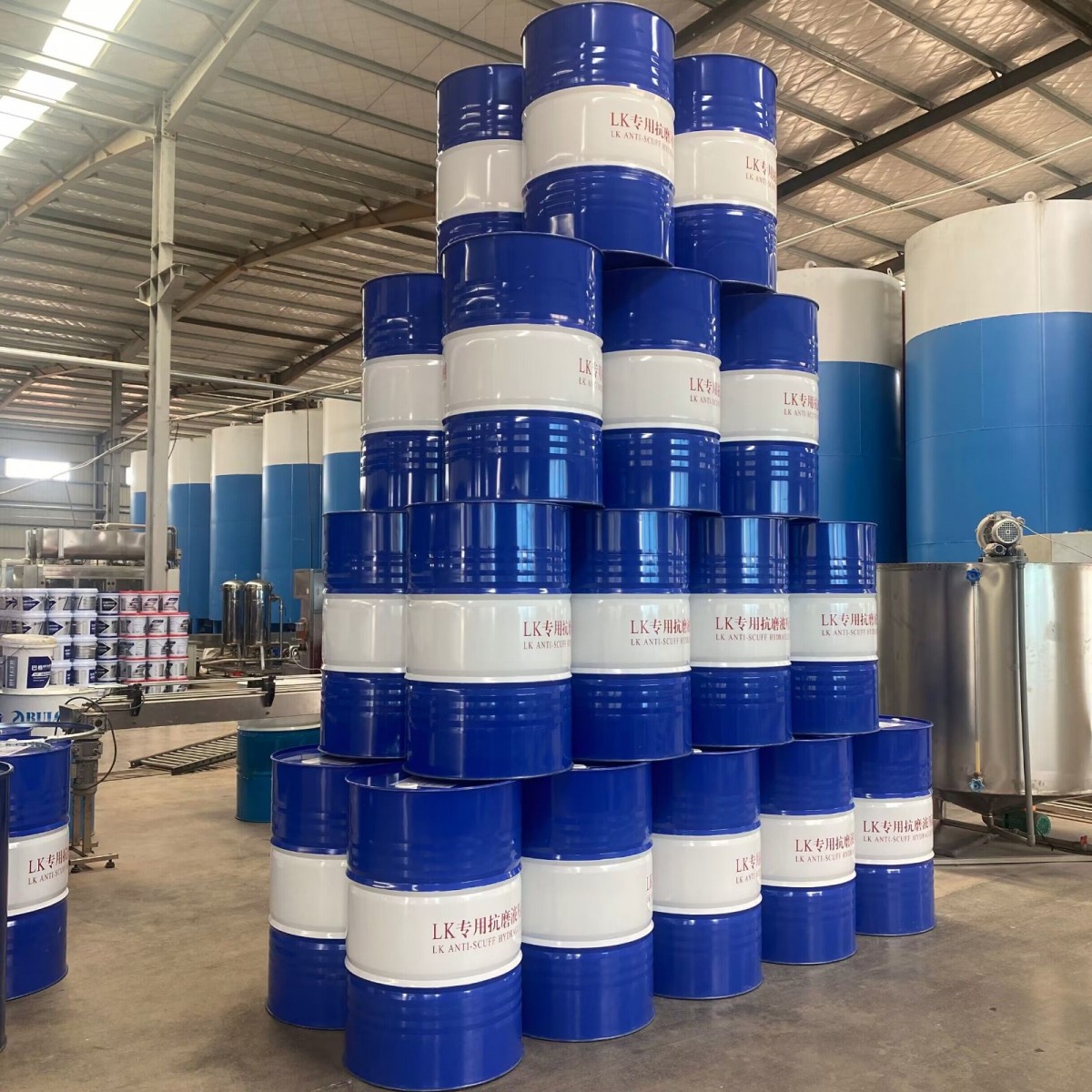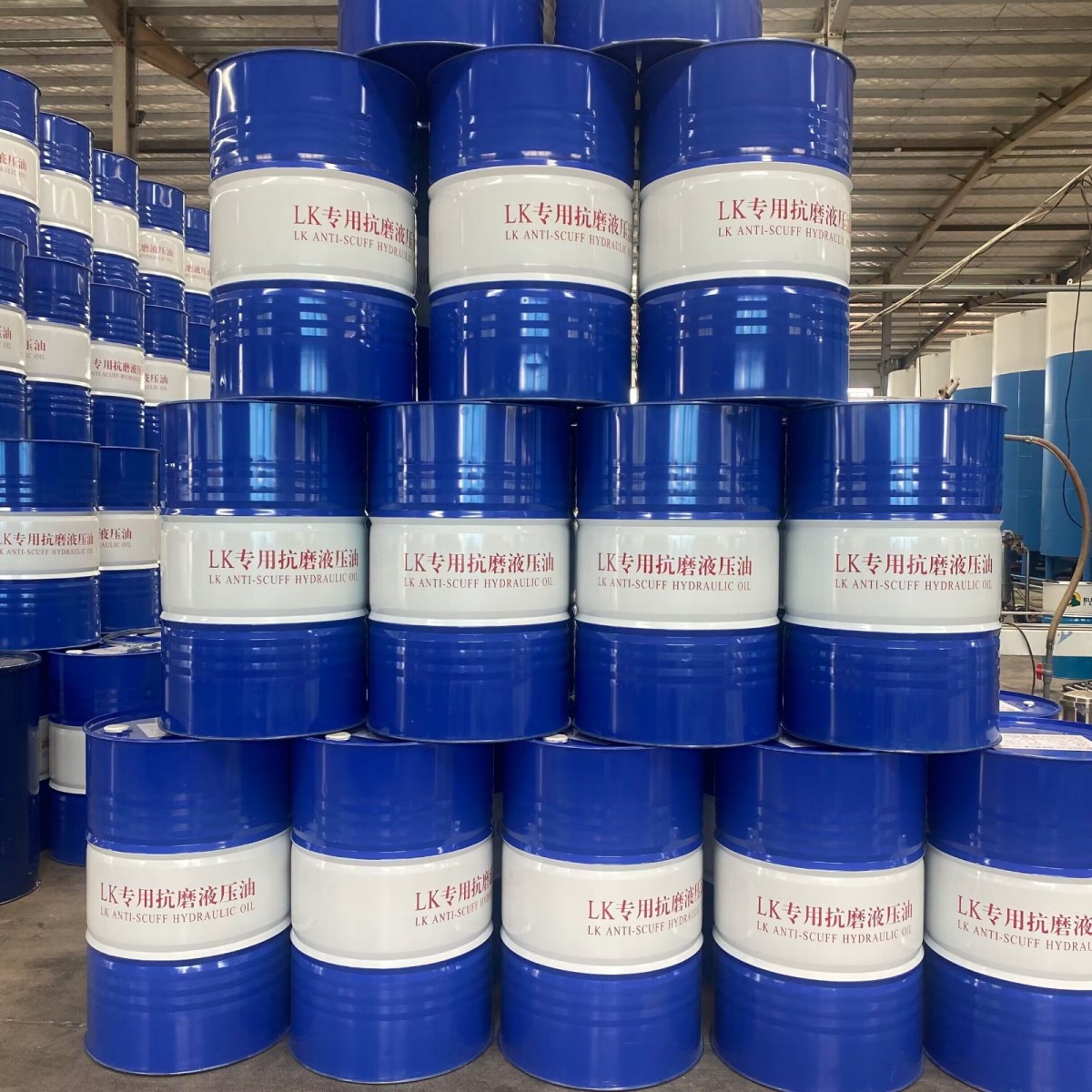


Hydraulic transmission oils that meet the specifications can generally replace mineral hydraulic oils due to their superior high and low-temperature viscosity, thermal oxidation stability, and extreme pressure anti-wear properties compared to conventional mineral hydraulic oils. However, some 8th and 6th grade hydraulic transmission oils on the market, lacking standard constraints, have poor extreme pressure anti-wear properties and should not be used as anti-wear hydraulic oils. Since the performance of general mineral hydraulic oils does not meet the requirements of hydraulic transmission oils, particularly in terms of friction characteristics retention, mineral hydraulic oils should never be used as substitutes for hydraulic transmission oils arbitrarily. Kaiti's HY hydraulic transmission oil boasts excellent anti-wear properties, ensuring that various materials of hydraulic transmission components are less prone to wear under operating conditions. It offers good thermal stability and antioxidant stability, suitable for long-term circulation use under working temperatures of 70-140°C (even higher). It also has excellent low-temperature fluidity with a low freezing point, adapting to machinery that operates intermittently and during winter conditions. Its good anti-foaming properties ensure that the foam produced under continuous mechanical stirring is easily dispersed, preventing a decrease in torque converter efficiency and failure in gear shifting. It is suitable for hydraulic torque converters and fluid couplings in large vehicles such as internal combustion locomotives, heavy-duty trucks, tracked vehicles, and off-road vehicles. It can also be used in hydraulic transmission systems of construction machinery.
The likelihood of water, dust, and debris particles entering the gear box is significant, whether in the factory or outdoors. Therefore, the following measures should be taken:
Ensure timely filtration to remove impurities from the oil, as these impurities act as abrasives that cause wear and also corrode the tooth surface.
Water can damage the oil film, leading to rust, so it is necessary to settle and separate the water in a timely manner.
Maintain oil temperature, as the oil temperature increases, oxidation occurs more rapidly, resulting in a shorter oil change interval.
Regularly inspect oil levels and promptly refuel and plug leaks.