What to Consider When Installing Central Air Conditioning in a 1,000 Square Foot Factory Building_News Center Co., Ltd._Suzhou Tianxiang Electrical and Mechanical Engineering Co., Ltd. 
在线客服 在线客服邀请中...
关闭

您好,现在客服正邀请与您通话,请留下您的联系方式,客服将尽快与您取得联系。

 点击提交代表您同意《服务条款》《隐私政策》
Suzhou Tianxiang Electrical and Mechanical Engineering Co., Ltd.

Central Air Conditioning for Factory, Office Building, Commercial Use, Hotel

Consultation Hotline
18552446410

News Category
  • No Category

Contact Information
  • Contact person:顾先生
  • Telephone:18552446410
Home > News Center Co., Ltd. > What to Consider When Installing Central Air Conditioning in a 1,000 Square Foot Factory Building
News Center Co., Ltd.
What to Consider When Installing Central Air Conditioning in a 1,000 Square Foot Factory Building
Publish Time:2025-02-07        View Count:27        Return to List

Today, a user asked about...What to consider when installing central air conditioning in a 1,000-square-meter factory building.

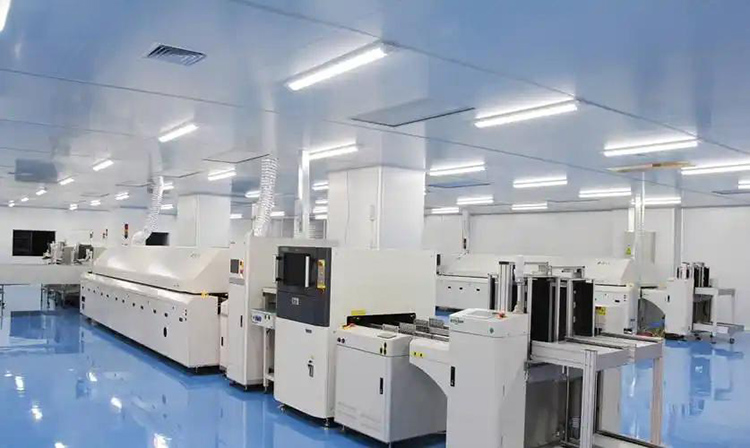
Firstly, I need to consider the differences between factory buildings and ordinary commercial or residential structures.Factory buildings often have high ceilings and ample space, with different functional areas such as production, storage, and office zones. These areas may have varying temperature requirements, so zoned control could be crucial.

Then, the calculation of chilled load is crucial.Factory may house large equipment that generates heat during operation, necessitating the calculation of the heat load from this source. Additionally, the factory's insulation performance may not be as effective as commercial buildings, with large windows or poor insulation materials, which can impact the air conditioning load. Personnel density also plays a role; while the density might be lower than in an office setting, a high number of workers would still require consideration for human heat dissipation.

Next up is the selection of the air conditioning system.Central air conditioning comes in various types, such as water systems and multi-split systems.VRV systems, ductwork systems. Water systems may be suitable for large areas, but installation can be complex; multi-split systems offer flexibility but come with higher costs; ductwork systems are ideal for high-ceiling spaces but might require greater air volume. Users need to select the appropriate type based on the specific factory conditions, which may involve comparing the pros and cons of different systems.

Installation mattersThe ventilation method should consider the building height, possibly requiring high-altitude air distribution or zoned air conditioning to cool only the work area, saving energy. The pipeline layout is also crucial, ensuring it does not hinder equipment or personnel movement and is easily maintainable. The outdoor unit should be placed in a well-ventilated area to avoid heat buildup and minimize noise impact on the surroundings.

Energy EfficiencyVariable frequency technology can adjust the speed of compressors, saving electricity costs. If a process requiring high temperatures is needed, waste heat recovery can be considered. Smart control, such as thermostats or networked systems, can monitor and adjust in real-time to avoid waste.

Electricity supply and cost budgeting are also key priorities.Central air conditioning units have high power requirements, necessitating an inspection of the existing electrical circuit to ensure it meets the standards, and possibly an upgrade in capacity. Budgeting should not only account for initial installation costs but also operating and maintenance expenses, such as electricity bills and regular maintenance fees.

Maintenance affairsRegularly cleaning the air filter and condenser, checking the refrigerant pressure, all of these affect the efficiency and lifespan of the air conditioner. You may also need to consider after-sales service and choose a reliable supplier.

Special requirements such as dust, moisture, and corrosion resistance must be addressed if the factory environment includes such conditions. Air conditioning equipment must have corresponding protective measures. For factories with continuous production, a backup air conditioning system may be necessary to prevent production interruptions.

Potential underlying needs that users may not explicitly mention include cost-effectiveness; they may seek to minimize expenses while meeting requirements, necessitating a balance between initial setup costs and operational expenses. Additionally, there may be a high demand for system reliability and stability, ensuring production environments do not suffer interruptions due to air conditioning failures. Moreover, considerations for future expansion, such as facility expansion, include the ease of scalability of the air conditioning system.


 Click submit means you agree to《Service terms》《Privacy policy》

18552446410