What special requirements do modern factories have for central air conditioning?_News Center Co., Ltd._Suzhou Tianxiang Electrical and Mechanical Engineering Co., Ltd. 
在线客服 在线客服邀请中...
关闭

您好,现在客服正邀请与您通话,请留下您的联系方式,客服将尽快与您取得联系。

 点击提交代表您同意《服务条款》《隐私政策》
Suzhou Tianxiang Electrical and Mechanical Engineering Co., Ltd.

Central Air Conditioning for Factory, Office Building, Commercial Use, Hotel

Consultation Hotline
18552446410

News Category
  • No Category

Contact Information
  • Contact person:顾先生
  • Telephone:18552446410
Home > News Center Co., Ltd. > What special requirements do modern factories have for central air conditioning?
News Center Co., Ltd.
What special requirements do modern factories have for central air conditioning?
Publish Time:2025-04-23        View Count:5        Return to List

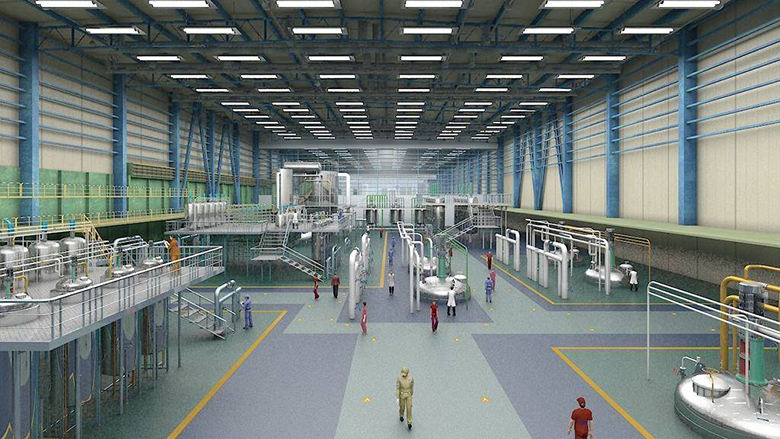
On the grand stage of industrial production, the central air conditioning system in the factory acts like a key backstage regulator, bearing the crucial responsibility of maintaining stable workshop conditions and ensuring the smooth operation of the production process. As modern industry rapidly advances, with factory production scales expanding and processes becoming increasingly complex, the demands on the central air conditioning system are becoming ever more stringent.

现代工厂对中央空调有什么特殊要求


One,Adapting to large spaces and high loads

Large Space Air Supply: Factories typically have high ceilings and large areas, requiring high airflow over long distances to prevent temperature stratification or localized overcooling.Overheating.

Solution: Combination Air Handling UnitsAHU, industrial roof unit (RTU), or ductwork systems, integrated with high induction ratio supply air outlets (such as swirl diffusers, nozzles).

High Load Operation: Workshop equipment generates significant heat (such as machine processing, furnaces, etc.), requiring stronger refrigeration./Heating Capacity.

Solution: Precisely calculate heat loads (equipment, personnel, lighting, etc.), utilizing high-power chilled water systems (such as centrifugal or screw chillers) or direct evaporative cooling systems.

TwoAdapting to Complex Environmental Conditions

High temperatures, dust, corrosive gases

High-Temperature Workshops (such as casting and forging): Air conditioning systems require high-temperature components (e.g., high-temperature motors, sensors), and the refrigeration system must be able to operate in a high-temperature environment.

Dust-prone environments (such as woodworking, metal processing): Requires an efficient filtration system (medium efficiency)High-Efficiency Filters with Automatic Dust-Cleaning Devices, or Explosion-Proof Design (for environments with combustible dust).

Corrosive Gases (e.g., chemical and electroplating workshops): Air conditioning materials must be corrosion-resistant (stainless steel, epoxy coating), and heat exchangers require anti-corrosion treatment.

Humidity Control: Strict humidity control is required for certain processes (such as textile and food processing), which necessitates the installation of humidification equipment.Dehumidification Module

No Chinese content provided, so the translation is: III.Zone Control and Flexibility

Varying Needs Across Different Workshops: Production areas, storage zones, and office spaces have varying requirements for temperature and humidity.

Solution: Zoned Design with Variable Air Volume (VAV)VAV system or independent control for multi-split (VRF).

Process Compatibility: Some production equipment requires coordination with air conditioning systems (such as clean rooms, laboratories), necessitating vibration and static electricity protection designs.

FourEnergy Efficiency and High Performance Operation

High Energy Consumption Challenge: Factory air conditioning operates for extended periods, accounting for a significant portion of energy consumption.

Energy-saving Measures:

Variable Frequency Technology (Variable Frequency Compressors, Fans, Pumps)

Reclaimed Waste Heat (Utilizing Process Waste Heat for Preheating)/Prefabricated Air Conditioning Units)。

Natural CoolingOur company has implemented Free Cooling technology to utilize the low outdoor air temperatures during the transitional season.

Intelligent control (adjusts operating modes based on production periods).

Five,Reliability and ease of maintenance

Continuous Operation Requirements: Factory Needs24/7 production requires high reliability for air conditioning systems.

Redundant Design: Backup of critical components (such as compressors, motors) or dual-system parallel configuration.

Ease of Maintenance: Modular design for quick filter replacement and heat exchanger cleaning; equipped with self-cleaning features (e.g., automatic condenser flushing).

Six.Special Process Requirements

Cleanliness requirements (such as for electronics factories, pharmaceutical production areas):

Efficient FiltrationHEPA/ULPA filtration + positive pressure air supply + laminar flow design.

Explosion-proof requirements (e.g., chemical, paint workshops):

Air conditioning equipment must comply with explosion-proof certification.The Ex sign indicates that the motor and circuitry are designed with explosion-proof features.

Low-temperature environments (such as cold storage facilities, cold chain workshops):

Special Low-Temperature UnitBelow -25°C requires a cascade refrigeration system).


 Click submit means you agree to《Service terms》《Privacy policy》

18552446410