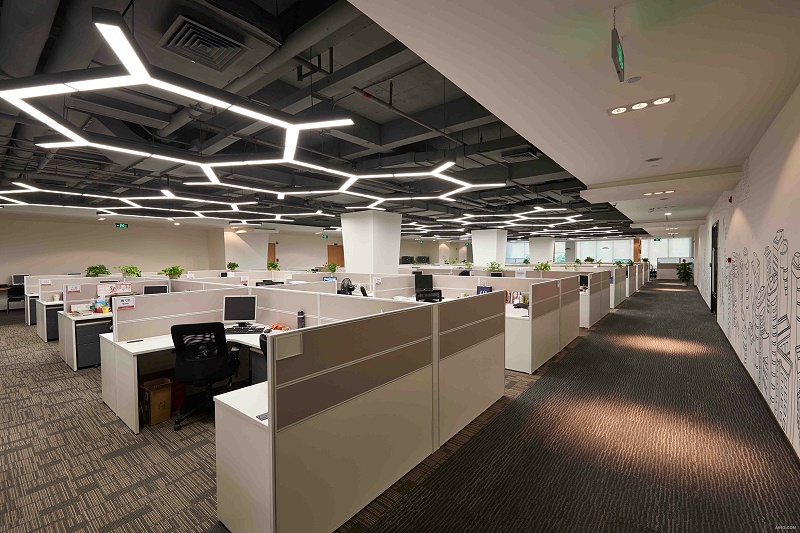
In the scorching summer,The central air conditioning system in our 3,000-square-meter office building plays a crucial role in creating a comfortable indoor environment. However, to ensure its efficient, stable, and energy-saving operation is not as simple as flipping a switch; it involves many details and key considerations that need attention.

Here is the summer Important Considerations for Central Air Conditioning Use in Our 3,000-square-foot Office Building:
Preparation Before Use
1. Comprehensive Inspection: Check for any damage or leakage in the main unit, fan coil, piping system of the air conditioning, and verify the functionality of the electrical control system, including the aging and short-circuit status of wires, and the operability of the control panel. Any issues found should be repaired or parts replaced promptly.
2. Cleaning and Maintenance: Conduct a thorough cleaning of the air conditioner's filter, evaporator, condenser, and other components to remove dust, dirt, and bacteria. This enhances cooling efficiency and air quality while reducing energy consumption.
Please note the following precautions during usage.
1. Temperature Setting: It is recommended to set the air conditioner temperature between 26℃-28℃ during summer for both comfort and energy-saving effects. The temperature difference between indoor and outdoor should not be too large, ideally between 5℃-8℃. A significant temperature difference can lead to discomfort and may even trigger diseases.
Regular Air Circulation: Extended use of central air conditioning can lead to polluted indoor air, decreased oxygen levels, and increased concentrations of harmful gases like carbon dioxide, affecting human health. Therefore, it's essential to regularly open windows for air circulation. Generally, it's recommended to ventilate for 20-30 minutes every 2-3 hours to maintain fresh indoor air.
Avoid frequent on/off: Frequent switching on and off the air conditioner causes the compressor to start up frequently, increasing energy consumption and shortening the lifespan of the air conditioner. If you're leaving the office for a short period, it's recommended not to turn off the AC to avoid consuming more electricity upon restart.
4. Properly Set the Airflow Mode: When cooling, the air conditioner's outlet should be adjusted to a horizontal direction to promote better dispersion of the cold air and enhance the cooling efficiency.
5. Block direct sunlight: Close office curtains or blinds to block direct sunlight, reducing heat absorption indoors, lowering the air conditioner's workload, and saving energy.
Maintaining and Servicing Precautions
Regularly Clean the Air Filter: The air filter is a crucial component for maintaining the cooling efficiency of air conditioners and air quality, and should typically be cleaned once a week. A clogged air filter can impair the cooling performance and air quality of the air conditioner.
2. Outdoor Unit Maintenance: Regularly clear away debris around the outdoor unit to ensure proper ventilation and normal heat dissipation. Additionally, check the securement of the outdoor unit to prevent loosening or damage due to wind and rain.
3. Regularly Check Refrigerant: Insufficient refrigerant can affect the air conditioner's cooling performance and increase energy consumption. Therefore, it is essential to regularly inspect the refrigerant pressure and leakage, and promptly refill or repair as needed.
4. Regular Professional Maintenance: In addition to daily maintenance, it is essential to schedule periodic comprehensive checks and maintenance by professionals for the central air conditioning system. This includes inspecting the operation of compressors, fans, water pumps, and other equipment, cleaning internal components, and checking the electrical system to ensure the smooth operation of the air conditioning system and to extend its lifespan.
Four: Energy-saving Precautions
1. Reasonably Set the Operation Time: Adjust the central air conditioning's on and off times based on the office building's usage schedule to prevent unnecessary operation during extended periods of unoccupancy.
2. Zonal Control: For a 3,000-square-meter office building, zonal control can be implemented to independently manage air conditioning operation and temperature settings based on different areas' usage, thereby avoiding unnecessary energy waste.
3. Leveraging Intelligent Control Systems: Installing an intelligent air conditioning control system that can automatically adjust the operation status of the air conditioner based on factors such as indoor temperature, humidity, and occupancy density, achieving energy-saving operation.