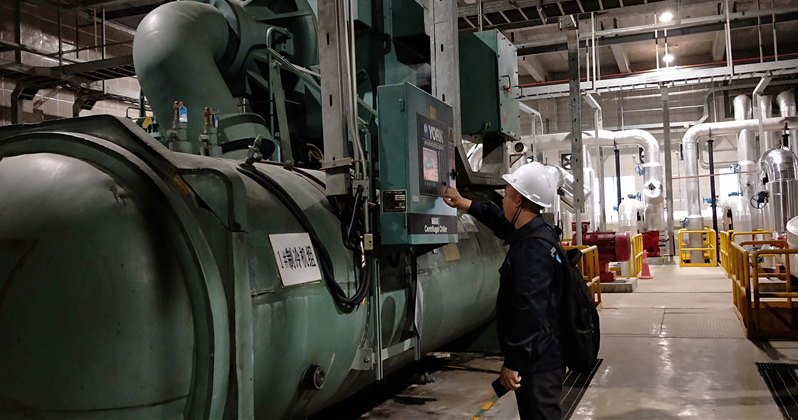
Central air conditioning systems, an indispensable and crucial component of modern buildings, directly impact the comfort of indoor environments and the efficiency of energy use. However, due to seasonal usage demands or improper maintenance management, central air conditioning systems often face prolonged periods of downtime.

Long-term non-operation of central air conditioners can indeed have some adverse effects on the compressor. The following are the main impacts and recommendations:
Lubricant sedimentation, resulting in decreased lubrication effectiveness.
- Reason: Long-term stagnation of lubricating oil inside the compressor can settle, leading to insufficient lubrication upon startup and increased wear.
- Impact: May cause compressor cylinder sticking, increased noise, and even damage.
Recommendation: Regular short-duration operations (monthly)Perform 1-2 cycles, each lasting 10-15 minutes, to circulate the lubricant.
Chiller agent distribution imbalance, resulting in increased startup load.
- Reason: After a prolonged shutdown, the refrigerant may migrate to the compressor or piping, posing a liquid slug risk upon startup.
- Impact: May lead to internal component damage within the compressor (e.g., valves, pistons).
Recommendation: Allow the system to run for a period before shutdown to ensure refrigerant returns to the accumulator; check the refrigerant status before the first start-up after a long-term shutdown.
3. Electrical components have absorbed moisture, resulting in a decrease in insulation performance.
- Reason: The compressor motor has been without power for an extended period, possibly due to moisture in the environment, which may have caused the insulation material to become damp.
- Impact: May cause a short circuit or burn out the motor upon startup.
Recommendation: Keep the server room dry, power on and operate regularly (as mentioned above), and use a desiccant if necessary.
4. Rust or jamming of mechanical components
- Reason: Long-term non-operation may cause internal metal components of the compressor to rust due to oxidation or impurities accumulation.
- Impact: Difficulty in startup, even inability to operate.
Recommendation: Perform a manual wheeling before the first start (to check for any jamming), or have a professional inspection.
5. Sealant aging
- Reason: Long-term static rubber seals are prone to aging and deformation, leading to refrigerant leakage.
- Impact: Decreased system refrigeration efficiency; compressor overheating due to lack of refrigerant.
Recommendation: Regularly inspect for seal integrity, ensure system is well-sealed before long-term shutdown.
Regular maintenance and scientific shutdown management can significantly extend the lifespan of compressors. If the equipment has been unused for a long time, it is recommended to contact after-sales service for professional inspection before reactivation.