

As winter approaches and temperatures plummet, central air conditioning systems, particularly the water system units, face the risk of cracking due to freezing.
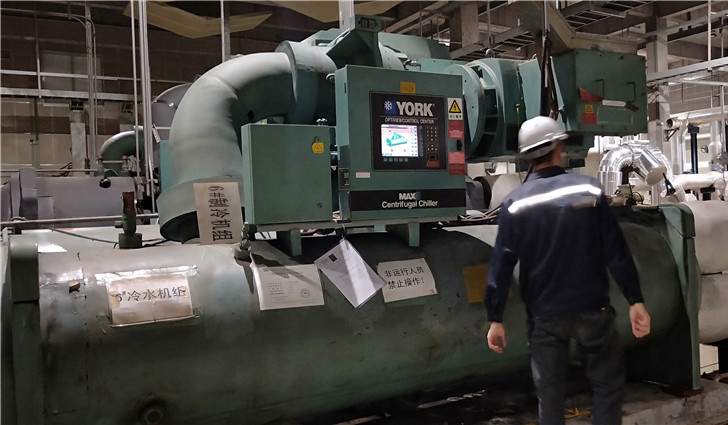
One, take different measures based on the usage status.
(1) Continuous use of the central air conditioning system during winter (core principle: keep it powered on + maintain a continuous circulation)
1、Keep Power On 24/7: The engine and pump must remain powered at all times to ensure the automatic anti-freezing protection feature is activated. Disconnection of power will render the anti-freezing function ineffective.
2、Maintain Water Circulation: Pumps and the main unit must be interlocked. The pump should have a forced start-up function during standby, when the water temperature falls below the set value (usually...).The system automatically initiates a cycle at 4°C.
3、Add Antifreeze: Mix ethylene glycol antifreeze into the water system proportionally to lower the freezing point below the local lowest temperature (recommended)Below -25°C.
4、Water Temperature Monitoring: Ensure the water supply temperature is appropriate, avoiding too low. Check the system's water flow and temperature before starting up daily.
(II) Long-term shutdown of the central air conditioning system during winter (core principle: drain stored water or add sufficient antifreeze)
When the ambient temperature falls belowAt 2°C, one of the following measures must be taken:
SolutionA: Fully drain the system
Turn on the evaporator and condenser drain valves and the vent valve, and blow out the remaining water with compressed air.
At the end, open the condenser exhaust valve and the drain valve, and use high-pressure gas to blow out the stored water in the coil.
Pump: Close the inlet and outlet valves, open the drain and vent valves to empty.
Pipe: Open the lowest valve of the system to drain off accumulated water; also, the cooling tower's water supply pipe needs to be emptied.
SolutionB: Add anti-freeze
Add diethylene glycol solution according to concentration requirements (refer to the concentration vs. freezing temperature chart in the equipment manual).
Ensure that the coolant is filled throughout the entire system, including the main unit, pipes, and terminals.
Section II: Special Protection for Air Handling Units (Highest Risk of Freezing Cracks)
1、Install Electric Insulated Damper: Linked with the unit, it automatically closes upon shutdown to prevent cold air backflow.
2、Pre-start Inspection: Ensure the pump is operating and the water temperature meets standards before turning on the air handling unit.
3、Reduce新风intake: During cold spells, slightly close the fresh air valve to minimize direct cold wind exposure.
III. Preparations for Inspection Before the Cold Front
1、Cleaning and Maintenance: Clean dust from indoor and outdoor units, particularly the filters, to ensure efficient heat dissipation and heating.
2、Test Run: Power OnWithin 15-20 minutes, the temperature at a distance of 10-20 cm from the air outlet should be ≥15°C; otherwise, maintenance is required.
3、Verify Interlock Protection: Confirm that the water flow switch is properly interlocked with the unit to prevent water loss from causing freezing.
Extreme Emergency Response Measures
In case of power outage or equipment failure:
Immediately manually drain the water from the equipment and pipelines (refer to the equipment drain indicators).
Do not force-start pumps or pipelines that have frozen. Use hot water to thaw them.
