

Dredging vessels are employed at large ports and waterways for cleaning operations. These vessels typically consist of a hull, a power engine and pump mounted on the hull, and a spray pipe extending along the width of the hull, which is connected to the outlet of the pump and placed below the hull at the stern. The spray pipe is equipped with several spray nozzles aligned along its axial direction. The hull also features a driving mechanism for lifting and lowering the spray pipe. The distinctive feature is that the spray pipe includes a fixed pipe and a movable pipe, each equipped with spray nozzles. The movable pipe can be folded and sealed to fit with the fixed pipe, and the hull is fitted with an operating mechanism to facilitate the folding and sealing of the movable pipe with the fixed pipe.
Dredging vessels utilize the movement of water to excavate and transport underwater soil. They mechanically loosen the underwater soil layers, mix the mud and sand with water to form a concentrated mud-water mixture, which is then vacuumed out by mud pumps and transported through sludge pipes to the sludge disposal site.
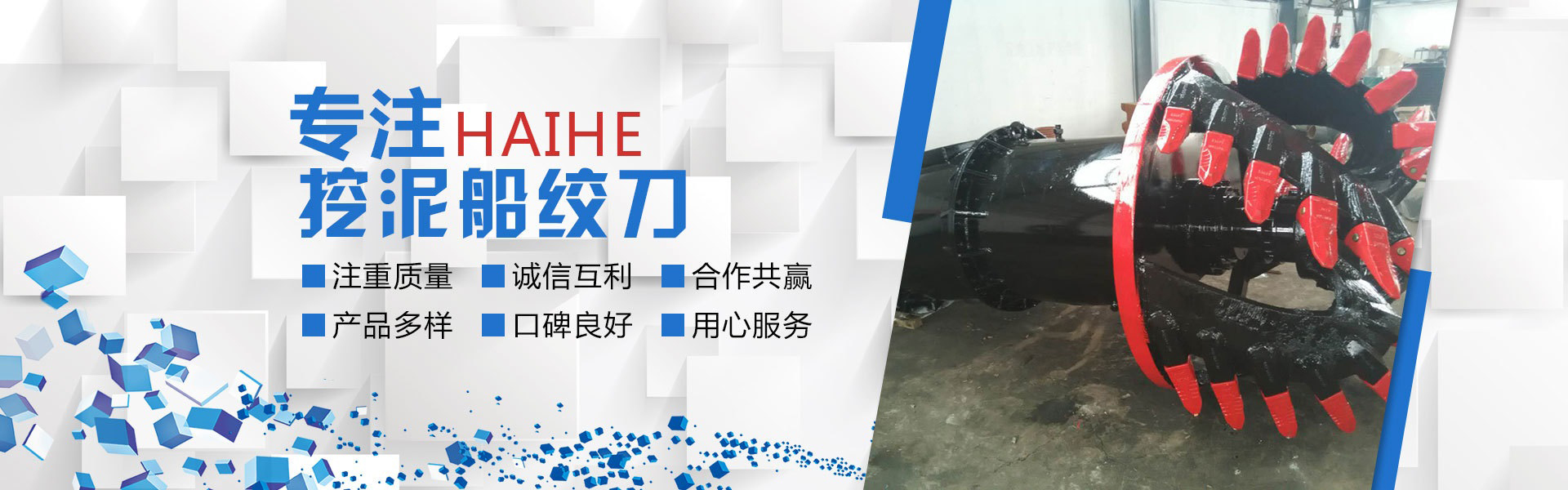
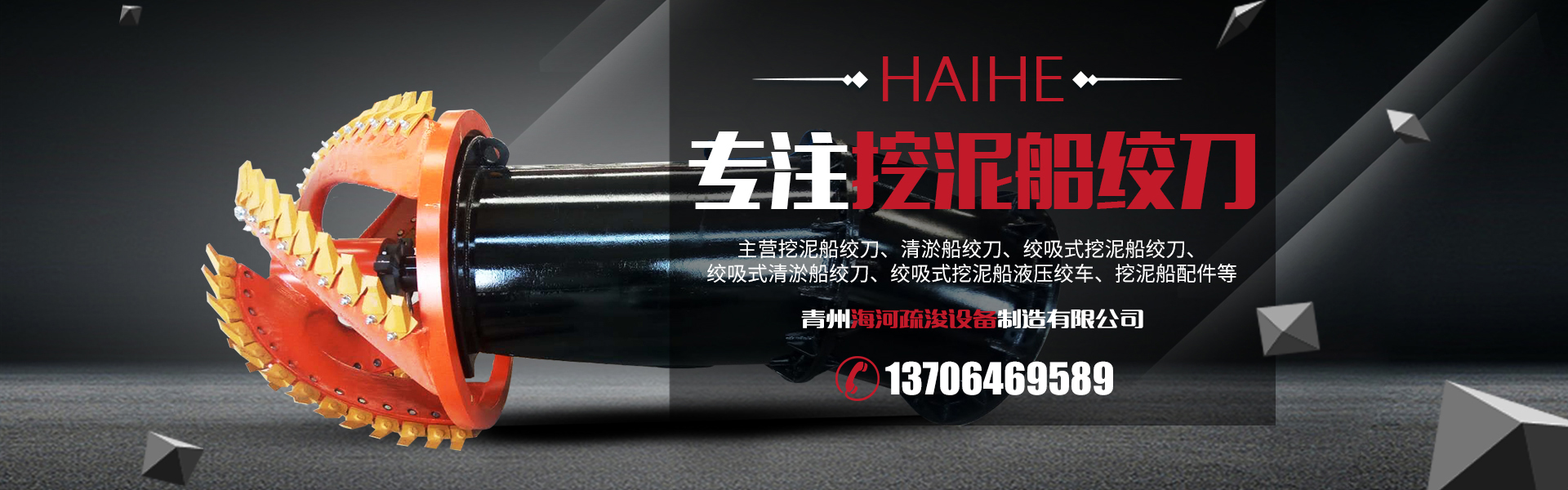
The dredging process relies on the weight of the cutter and cutter bridge架, lifting the cutter above the excavated soil layer by loosening the cutter bridge cable; driven by the cutter's power unit, the cutter blades and teeth continuously rotate and cut, separating the soil layer and mixing it with the clear water in the excavation trench, resulting in a slurry mixture containing cut material.
