


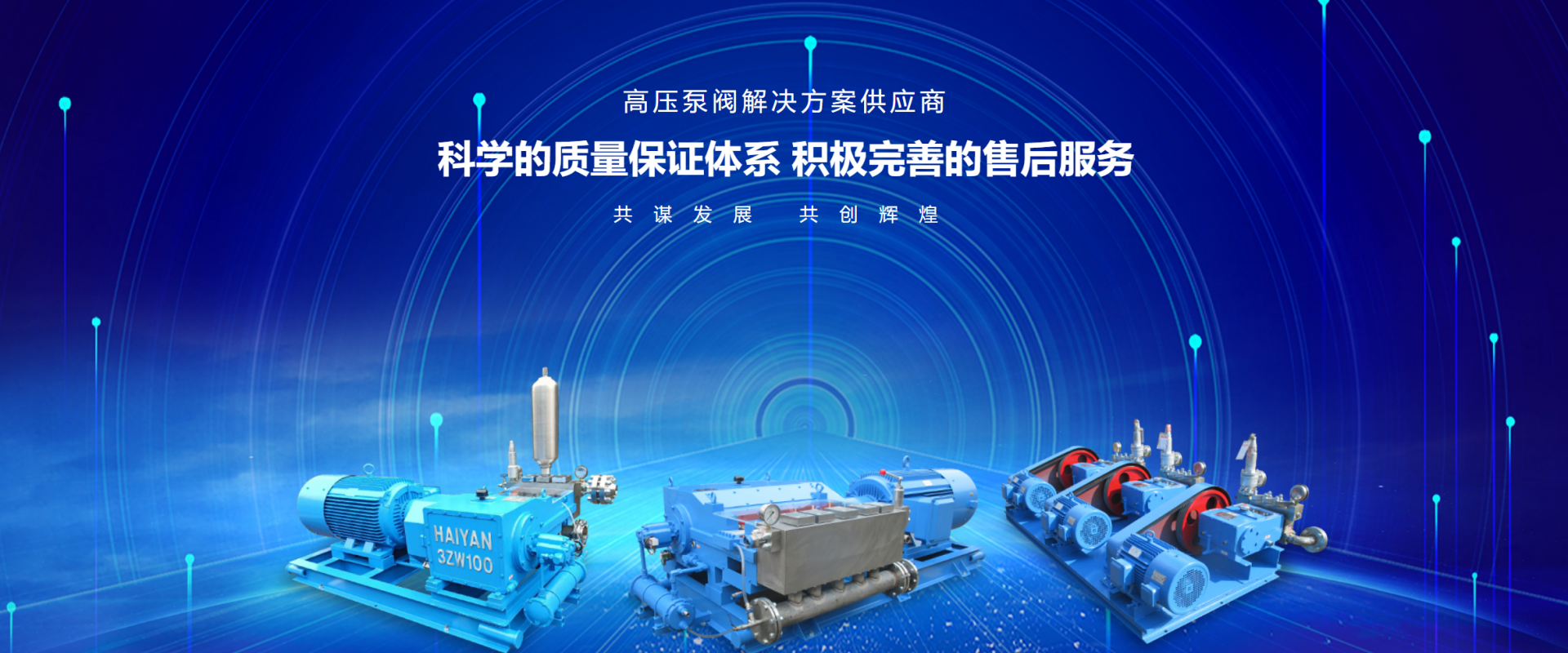

A high-pressure cleaning pump is a device used for cleaning various equipment and surfaces, which removes dirt and pollutants through the generation of high-pressure water streams. The performance parameters of high-pressure cleaning pumps have a significant impact on the cleaning process. This article will discuss the influence of performance parameters on the cleaning effect from different perspectives.
Firstly, the flow parameters of high-pressure cleaning pumps significantly impact the cleaning action. Flow refers to the volume of liquid that the pump transports per unit of time, typically measured in liters per minute or hour. A higher flow rate means more liquid can be directed into the cleaning system, providing more cleaning energy and thus improving the cleaning action. However, an excessively high flow rate may cause splashing and hydraulic shock, potentially damaging the item being cleaned. Therefore, it is essential to select the appropriate flow parameters based on the properties of the item being cleaned and the cleaning requirements.
Next, the pressure parameters of high-pressure cleaning pumps play a crucial role in the cleaning process. Pressure refers to the force exerted by the liquid output from the pump, typically measured in bars or MPa. Higher pressure provides greater cleaning power, allowing for more thorough removal of dust and contaminants. However, excessive pressure may damage the object being cleaned, especially for delicate materials. Therefore, when selecting a high-pressure cleaning pump, it's essential to ensure appropriate pressure parameters based on the properties of the object and the cleaning requirements.
Additionally, the type and size of the nozzle on high-pressure cleaning pumps also affect the cleaning action. Different nozzle types and sizes can produce various spray angles and methods, which in turn impact the cleaning process. For instance, fan-shaped nozzles offer a wider spray angle, suitable for cleaning large surfaces, while rotating nozzles create a swirling water flow, better for removing dirt. Therefore, when selecting nozzles, it's necessary to choose the appropriate type and size based on the shape of the item to be cleaned and the cleaning requirements.
Additionally, the material and sealing performance of the high-pressure cleaning pump's body also affect the cleaning action. The selection of the pump body material should consider the properties of the object to be cleaned and the chemical properties of the cleaning medium to ensure the pump's lifespan and cleaning effectiveness. Moreover, good sealing performance can effectively prevent leaks and damage to the pump body, thereby enhancing the cleaning action.
Then, the driving and control methods of high-pressure cleaning pumps may also affect the cleaning action. Different driving and control methods can influence the pump's output stability and control accuracy, thereby impacting the cleaning action. For instance, using variable-frequency control methods can achieve stable flow and pressure outputs, enhancing the cleaning efficiency and ease of operation.
In summary, the performance parameters of high-pressure cleaning pumps significantly impact the cleaning process. Factors such as flow rate, pressure, nozzle type and size, pump material and sealing performance, driving methods, and control techniques must be selected based on the properties of the item being cleaned and the cleaning requirements to enhance the cleaning effect. In practical applications, it is necessary to consider the influence of all these parameters, making rational selections and adjustments to achieve optimal cleaning results.